


Inhibition of spontaneous recovery of fear by mGluR5 after prolonged extinction training
- PMID: 23555716
- PMCID: PMC3605338
- DOI: 10.1371/journal.pone.0059580
Inhibition of spontaneous recovery of fear by mGluR5 after prolonged extinction training
Erratum in
- PLoS One. 2013;8(6). doi:10.1371/annotation/a71a5aba-ee14-439b-8952-69641642b71f. Orejanera, Maria Juliana [corrected to Orejarena, M Juliana]
Retraction in
-
Retraction: Inhibition of Spontaneous Recovery of Fear by mGluR5 after Prolonged Extinction Training.PLoS One. 2020 Jul 29;15(7):e0237058. doi: 10.1371/journal.pone.0237058. eCollection 2020. PLoS One. 2020. PMID: 32726354 Free PMC article. No abstract available.
Abstract
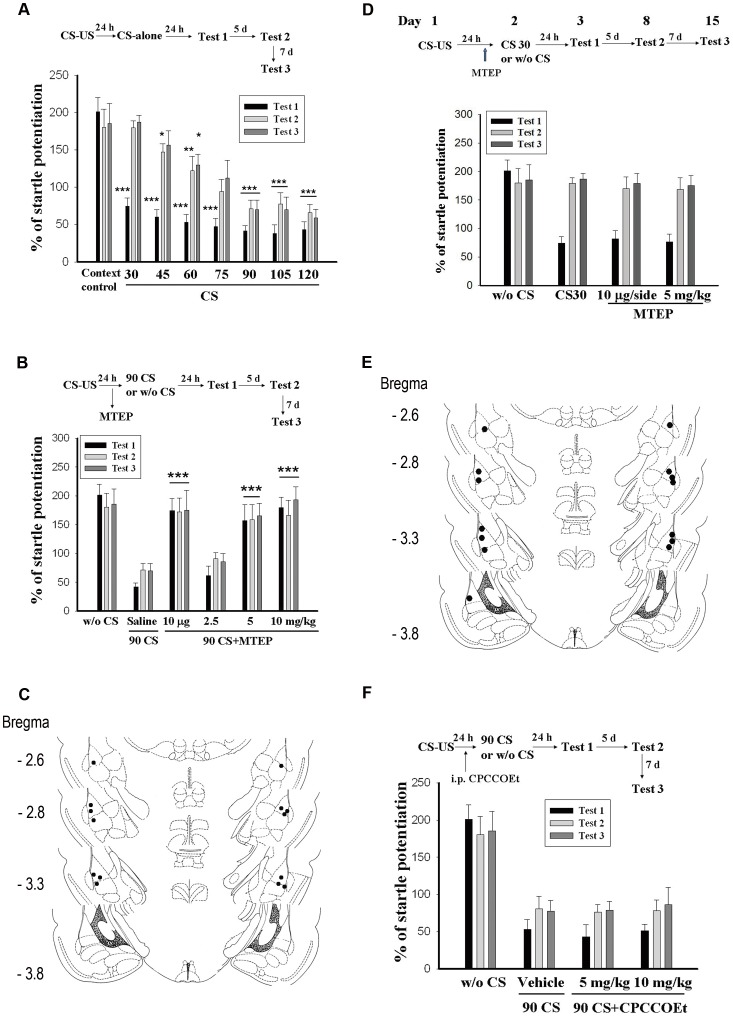
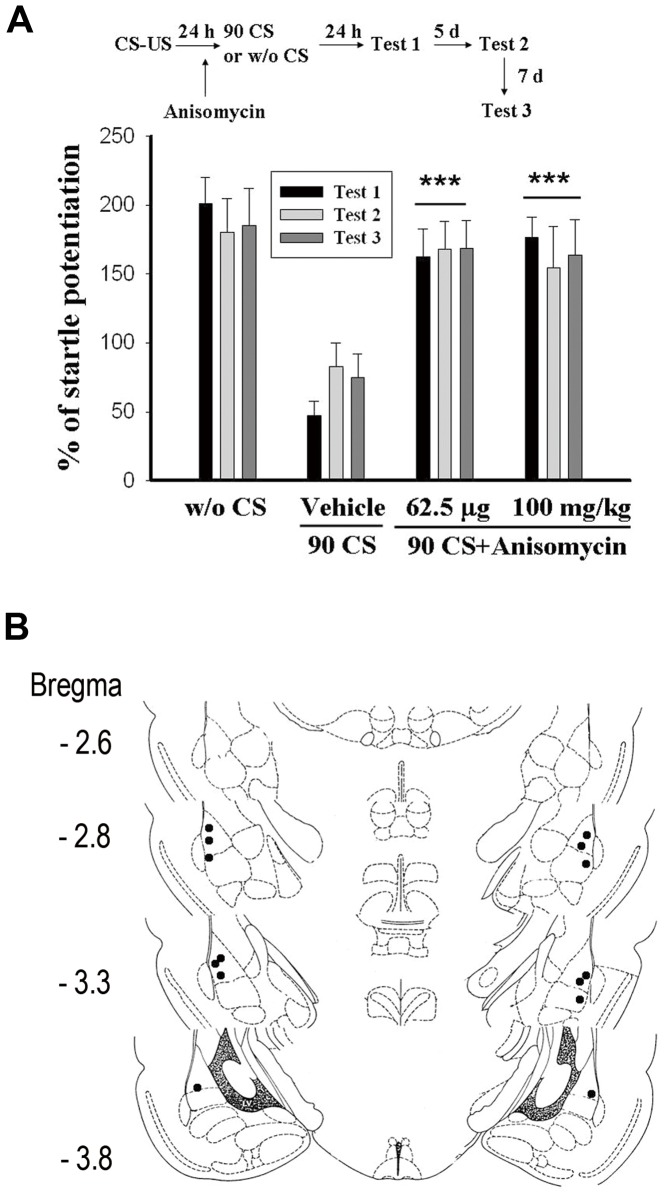
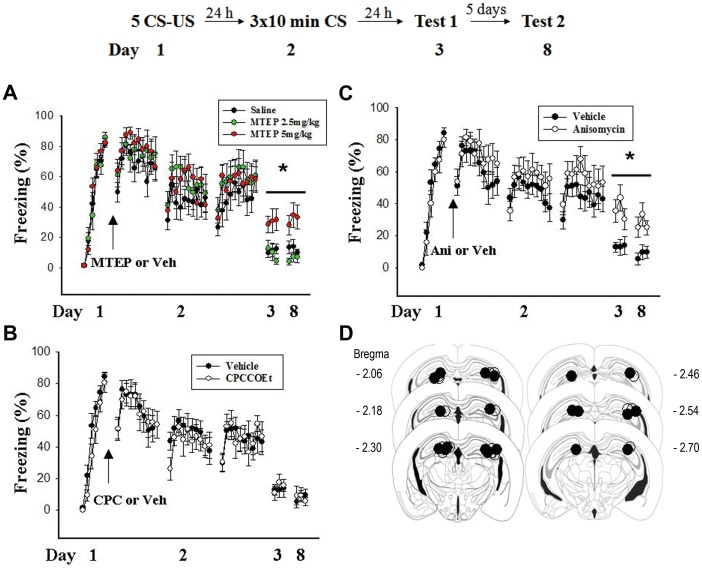
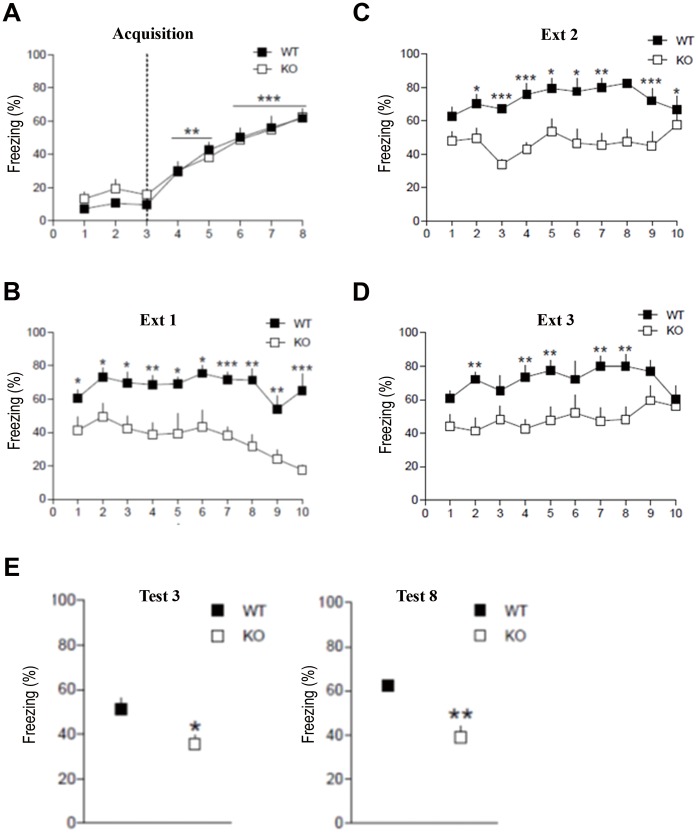
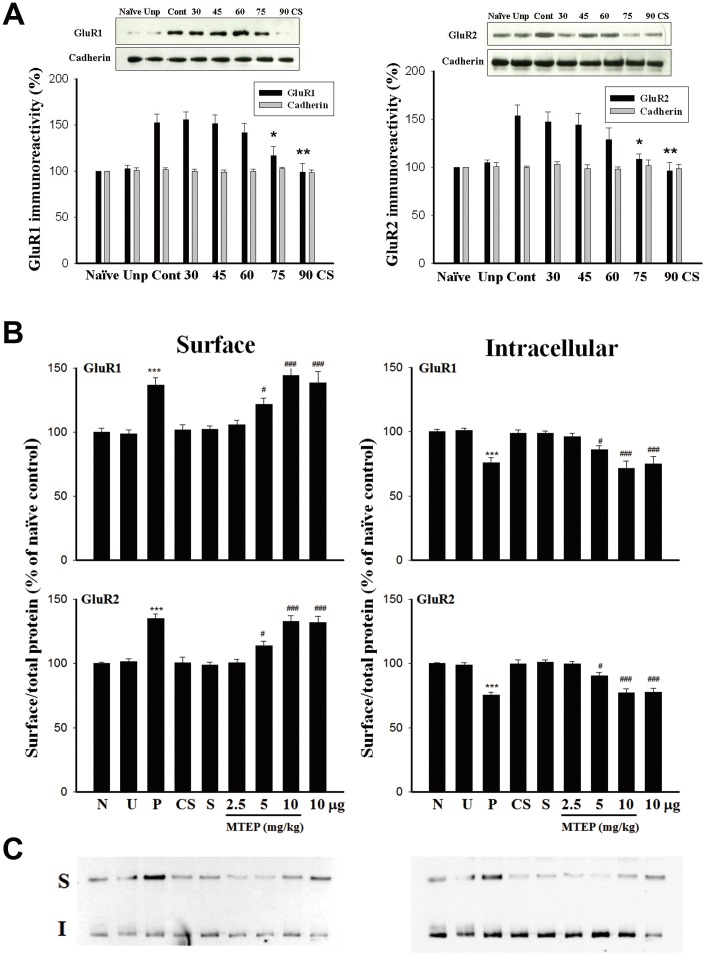
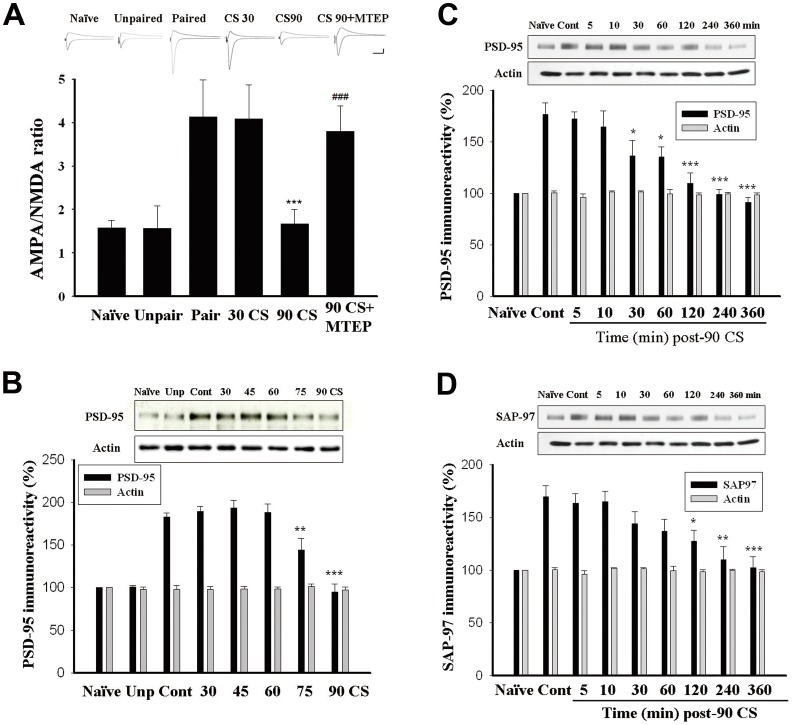
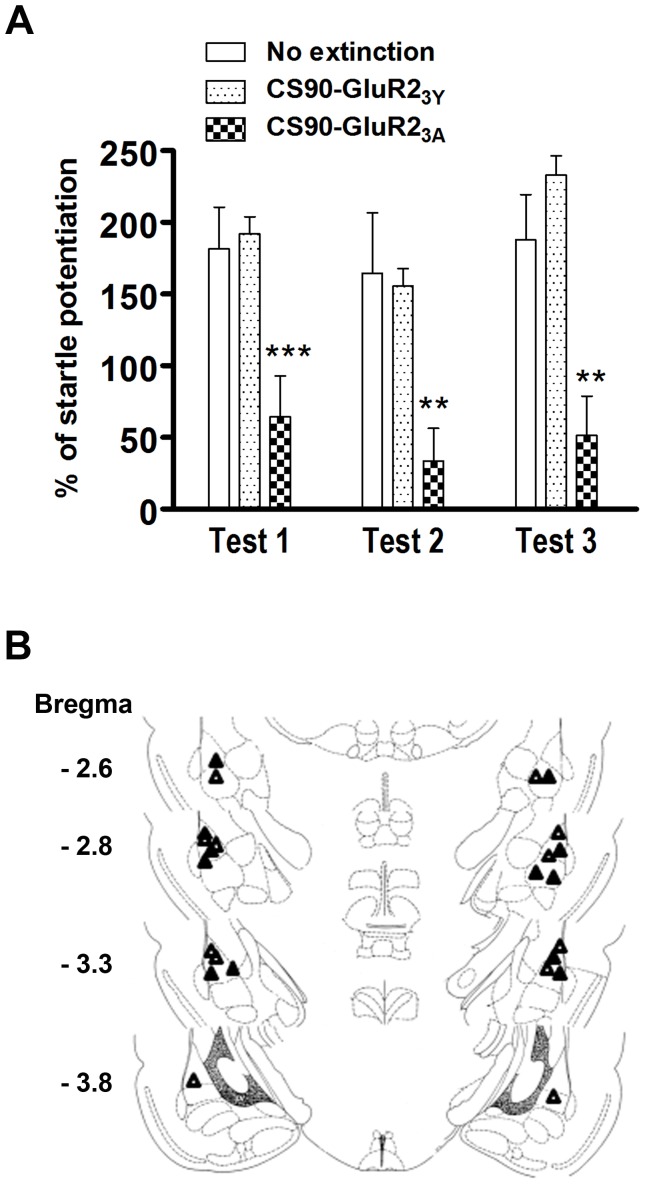
Fear behavior is vital for survival and involves learning contingent associations of non-threatening cues with aversive stimuli. In contrast, excessive levels of fear can be maladaptive and lead to anxiety disorders. Generally, extensive sessions of extinction training correlates with reduced spontaneous recovery. The molecular mechanisms underlying the long-term inhibition of fear recovery following repeated extinction training are not fully understood. Here we show that in rats, prolonged extinction training causes greater reduction in both fear-potentiated startle and spontaneous recovery. This effect was specifically blocked by metabotropic glutamate receptor 5 (mGluR5), but not by mGluR1 antagonists and by a protein synthesis inhibitor. Similar inhibition of memory recovery following prolonged extinction training was also observed in mice. In agreement with the instrumental role of mGluR5 in the prolonged inhibition of fear recovery, we found that FMR1-/- mice which exhibit enhanced mGluR5-mediated signaling exhibit lower spontaneous recovery of fear after extinction training than wild-type littermates. At the molecular level, we discovered that prolonged extinction training reversed the fear conditioning-induced increase in surface expression of GluR1, AMPA/NMDA ratio, postsynaptic density-95 (PSD-95) and synapse-associated protein-97 (SAP97). Accordingly, delivery of Tat-GluR2(3Y), a synthetic peptide that blocks AMPA receptor endocytosis, inhibited prolonged extinction training-induced inhibition of fear recovery. Together, our results demonstrate that prolonged extinction training results in the mGluR5-dependent long-term inhibition of fear recovery. This effect may involve the degradation of original memory and may explain the beneficial effects of prolonged exposure therapy for the treatment of phobias.
Conflict of interest statement
Figures
References
-
- Myers KM, Davis M (2007) Mechanisms of fear extinction. Mol Psychiatry 12: 120–150. - PubMed
-
- Pavlov IP (1927) Conditioned reflex: an investigation of the physiological activity of the cerebral cortex. London: Oxford University Press.
-
- Yehuda R (2002) Post-traumatic stress disorder. N Engl J Med 346: 108–114. - PubMed
Publication types
MeSH terms
Substances
LinkOut - more resources
Full Text Sources
Other Literature Sources
Molecular Biology Databases
