. 2013;8(3):e60305.
doi: 10.1371/journal.pone.0060305. Epub 2013 Mar 29.

PAPP5 is involved in the tetrapyrrole mediated plastid signalling during chloroplast development

Affiliations

PAPP5 is involved in the tetrapyrrole mediated plastid signalling during chloroplast development

Juan de Dios Barajas-López et al. PLoS One. 2013.

Abstract

The initiation of chloroplast development in the light is dependent on nuclear encoded components. The nuclear genes encoding key components in the photosynthetic machinery are regulated by signals originating in the plastids. These plastid signals play an essential role in the regulation of photosynthesis associated nuclear genes (PhANGs) when proplastids develop into chloroplasts. One of the plastid signals is linked to the tetrapyrrole biosynthesis and accumulation of the intermediates the Mg-ProtoIX and its methyl ester Mg-ProtoIX-ME. Phytochrome-Associated Protein Phosphatase 5 (PAPP5) was isolated in a previous study as a putative Mg-ProtoIX interacting protein. In order to elucidate if there is a biological link between PAPP5 and the tetrapyrrole mediated signal we generated double mutants between the Arabidopsis papp5 and the crd mutants. The crd mutant over-accumulates Mg-ProtoIX and Mg-ProtoIX-ME and the tetrapyrrole accumulation triggers retrograde signalling. The crd mutant exhibits repression of PhANG expression, altered chloroplast morphology and a pale phenotype. However, in the papp5crd double mutant, the crd phenotype is restored and papp5crd accumulated wild type levels of chlorophyll, developed proper chloroplasts and showed normal induction of PhANG expression in response to light. Tetrapyrrole feeding experiments showed that PAPP5 is required to respond correctly to accumulation of tetrapyrroles in the cell and that PAPP5 is most likely a component in the plastid signalling pathway down stream of the tetrapyrrole Mg-ProtoIX/Mg-ProtoIX-ME. Inhibition of phosphatase activity phenocopied the papp5crd phenotype in the crd single mutant demonstrating that PAPP5 phosphatase activity is essential to mediate the retrograde signal and to suppress PhANG expression in the crd mutant. Thus, our results suggest that PAPP5 receives an inbalance in the tetrapyrrole biosynthesis through the accumulation of Mg-ProtoIX and acts as a negative regulator of PhANG expression during chloroplast biogenesis and development.


Conflict of interest statement

Competing Interests: The authors have declared that no competing interests exist.

Figures

Figure 1
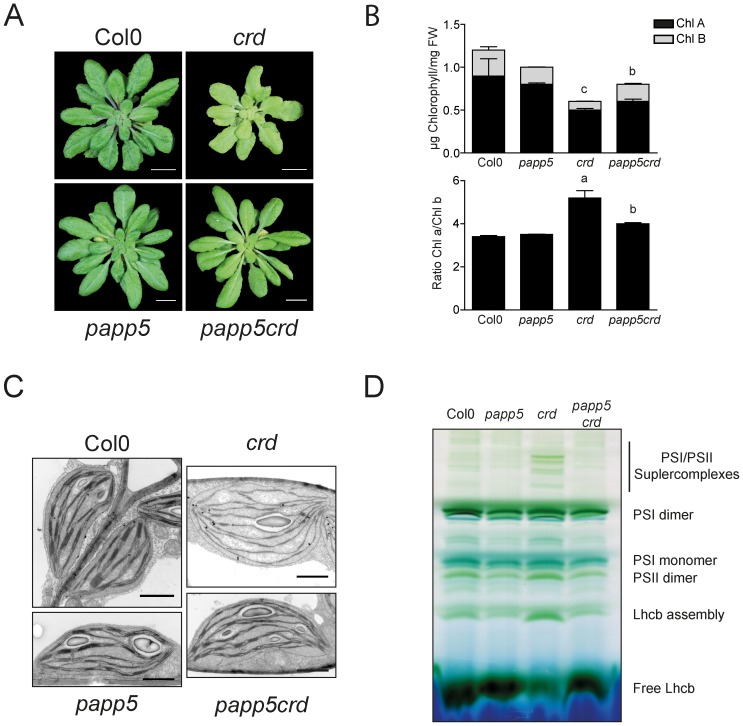
Figure 1. The papp5 mutation rescues the crd phenotype.
Plants were grown on soil under short day (SD) conditions (9 hours light/15 hours darkness) to characterize wild type, crd, papp5 and papp5crd. A) Representative images from 6-week-old plants. Scale bars represent 1 cm. B) Chlorophyll a and b content and chlorophyll a/b ratio in 6-week-old plants. Significant differences relative to Col0 (crd) and to crd (papp5crd) according to t-test (a, P<0.001; b, P<0.005; c, P<0,01) are shown. C) Representative electron microscopy images of chloroplasts from Col0, crd, papp5 and papp5crd from 6-week-old plants grown under SD conditions. Scale bar is 1 µm. D) Blue native PAGE profile of thylakoid membrane protein complexes isolated from Col0, papp5, crd and papp5crd plants. Each well was loaded with the 35 µg protein.
Figure 2
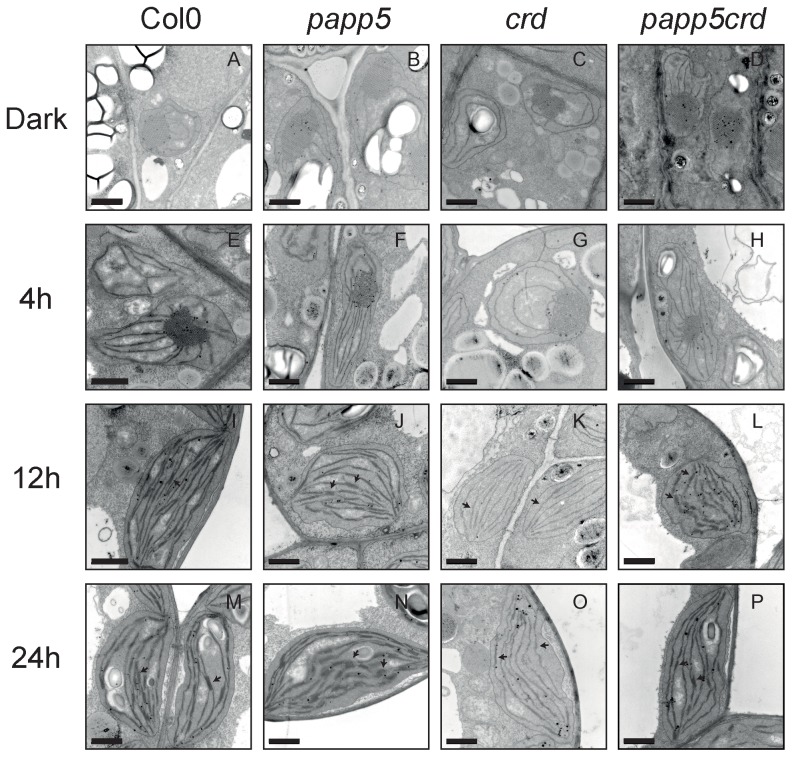
Figure 2. Chloroplast development during de-etiolation.
Sequential electron microscopy images from Col0 (A, E, I and M), papp5 (B, F, J and N), crd (C, G, K and O) and papp5crd (D, H, L and P) during the first 24 hours of illumination (100 µmol photons m−2 sec−1). Samples were collected 4 h, 8 h, 12 h and 24 h following transfer to light and compared to the dark sample. Arrows indicate examples of grana structures. Scale bar = 1 µm.
Figure 3
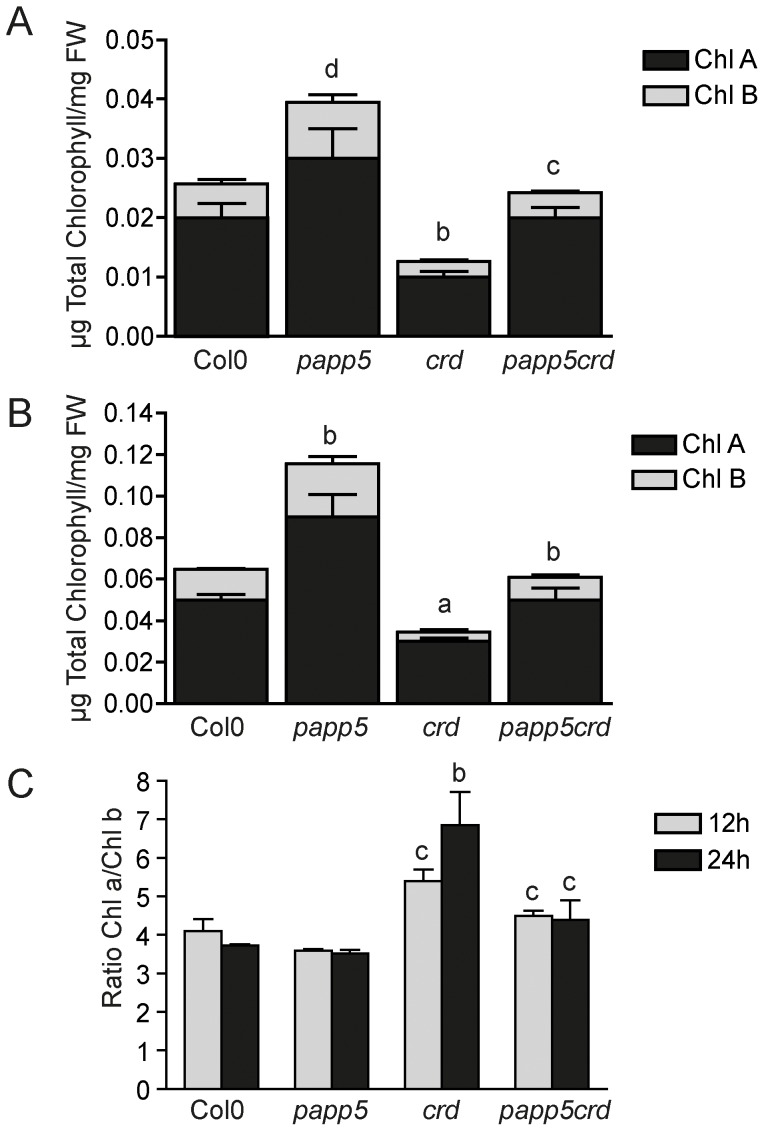
Figure 3. Chlorophyll determination during de-etiolation.
Chlorophyll content in Col0, papp5, crd and papp5crd seedlings following A) 12 h and B) 24 h of illumination. C) Chlorophyll a/b ratio in the different lines during 12 h and 24 h of illumination. Significant differences relative to Col0 (crd) and to crd (papp5crd) according to t-test (a, P<0.001; b, P<0.005; c, P<0.01; d, P<0.05) are shown.
Figure 4
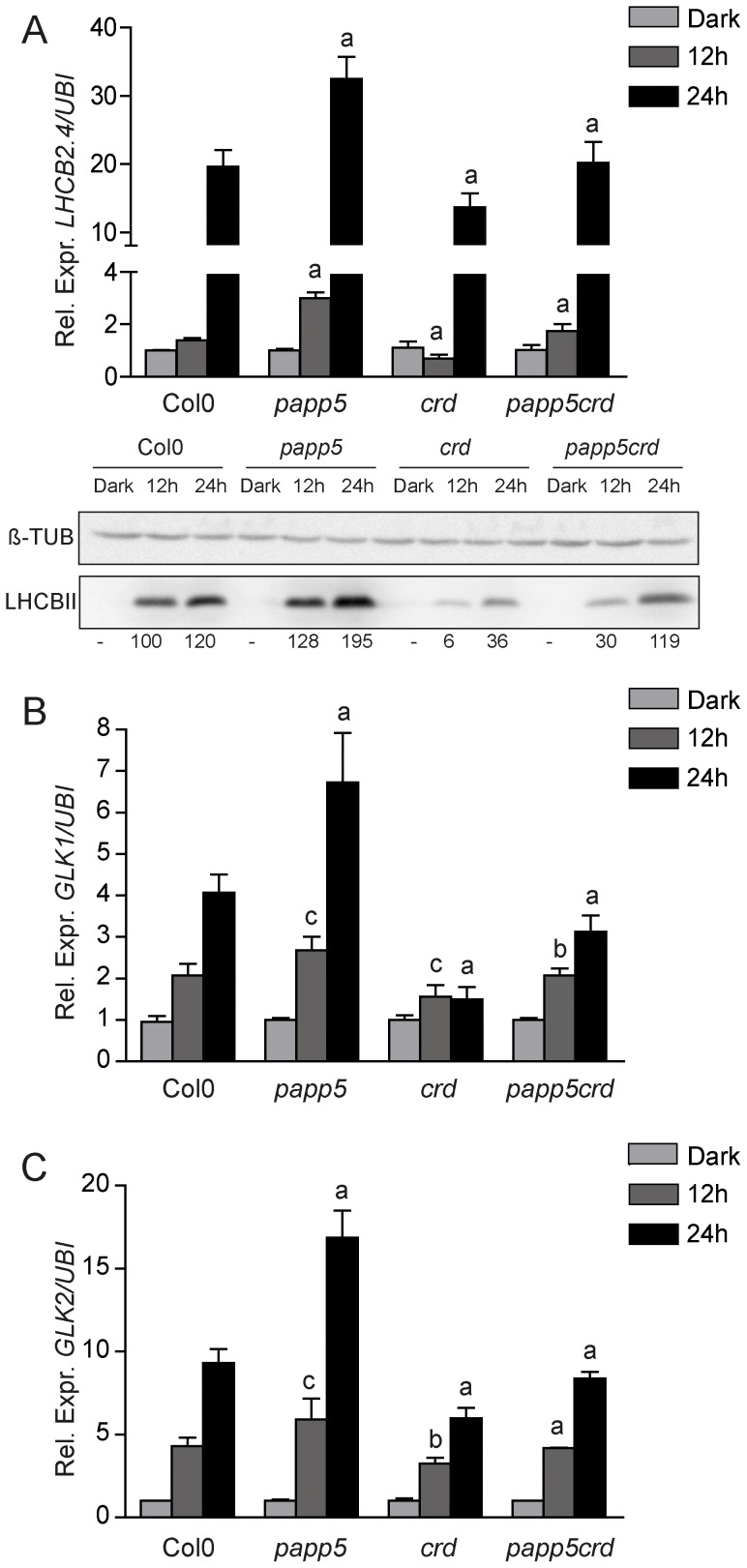
Figure 4. PhANG expression during chloroplast development.
Relative expression levels of A) LHCB2.4 (At3g27690) complemented with Western blot analysis of LHCBII protein and β-Tubulin as protein loading control, B) GLK1 (At2g20570) and C) GLK2 (At5g44190) in seedlings grown for three days in dark and exposed to 12 h and 24 h of illumination. Expression levels were compared to the respective dark control for each genotype and relative expression was calculated using Ubiquitin-protein ligase (At4g36800) as a reference gene. Data represents the mean (± SD) from three independent biological replicates. Significant differences relative to Col0 (crd and papp5) and to crd (papp5crd) were calculated according to t-test (a, P≤0.001; b, P≤0.005; c, P≤0.01). The bands were quantified using ImageJ software and the relative band intensities were obtained and related to Col0 12 h samples.
Figure 5
Figure 5. Tetrapyrrole accumulation maintained in papp5crd.
A) Relative fluorescence corresponding to Mg-ProtoIX and Mg-ProtoIX-ME in seedlings from Col0, papp5, crd, and papp5crd during the dark to light transition. 3-d-old seedlings were transferred to constant light (100 µmol photons light cm−2 sec−1) and samples were collected following 12 h and 24 h exposure. Each data point represents the mean (± SD) of four independent biological replicates. Fluorescence data is complemented with Western blot analysis of the CRD protein levels in the different genotypes. β-Tubulin was used as protein loading control. B) Relative expression of APX2 (At3g09640) in Col0, papp5, crd, and papp5crd. Expression levels were compared to the respective dark control for each genotype and relative expression was calculated using Ubiquitin-protein ligase (At4g36800) as a reference gene. Each bar represents the mean (± SD) of at least three independent biological samples. Significant differences relative to Col0 (crd and papp5) and to crd (papp5crd) were calculated according to t-test (a, P<0.001; b, c, P<0.01)
Figure 6
Figure 6. In planta tetrapyrrole binding assay.
Tetrapyrrole fluorescence spectra from CoIP assay using pGWB16-empty (control) and 35-PAPP5-cMyc (pGWB16) transformed tobacco plants. The native PAPP5 protein complex was immunoprecipitated from PAPP5 overexpressing tobacco plants with anti c-myc antibody and incubated with Mg-ProtoIX solution. The amount of tetrapyrrole bound to the protein complex was estimated by fluorescence. The excitation wavelength used was 416 nm. The Western blot of the samples is shown in the upper panel using the anti-myc antibody.
Figure 7
Figure 7. The papp5 mutant is insensitive to tetrapyrrole feeding.
Feeding experiments were performed to increase the levels of tetrapyrroles in the plants. During the dark period, two-week-old plants from Col0 and papp5 grown under LD conditions (15 hours light/9 hours dark) were treated with A) 50 µM Mg-ProtoIX or B) 10 mM ALA. Relative fluorescence corresponding to Mg-ProtoIX and Mg-ProtoIX-ME is shown. Samples were collected 4 h and 1 h into the light period following the Mg-ProtoIX and ALA treatment, respectively. Each bar represents the mean (± SD) of three independent biological replicates. Relative expression of LHCB2.4 (At3g27690), GLK1 (At2g20570) and GLK2 (At5g44190) in Col0 and papp5 plants following C) Mg-ProtoIX or D) ALA feeding is shown. Expression levels were compared to the respective mock control for each genotype and relative expression was calculated using Ubiquitin-like protein (At4g36800) as internal standard. Each bar represents the mean (± SD) of at least three independent biological replicates. Significant differences relative to untreated control or Col0 were calculated according to t-test (a, P<0.001; b, P<0.005; d, P<0.05).
Figure 8
Figure 8. Okadaic acid treatment phenocopies papp5crd in crd single mutant.
Relative expression of LHCB2.4 (At3g27690), GLK1 (At2g20570) and GLK2 (At5g44190) in Col0 and crd plants following treatment with 10 nM okadaic acid during de-etiolation. Samples were collected following 12 h exposure to light. Each bar represents the mean (± SD) of three independent biological replicates. Significant differences relative to Col0 were calculated according to t-test (b, P<0.005; c, P<0.01; d, P<0.05).
Figure 9
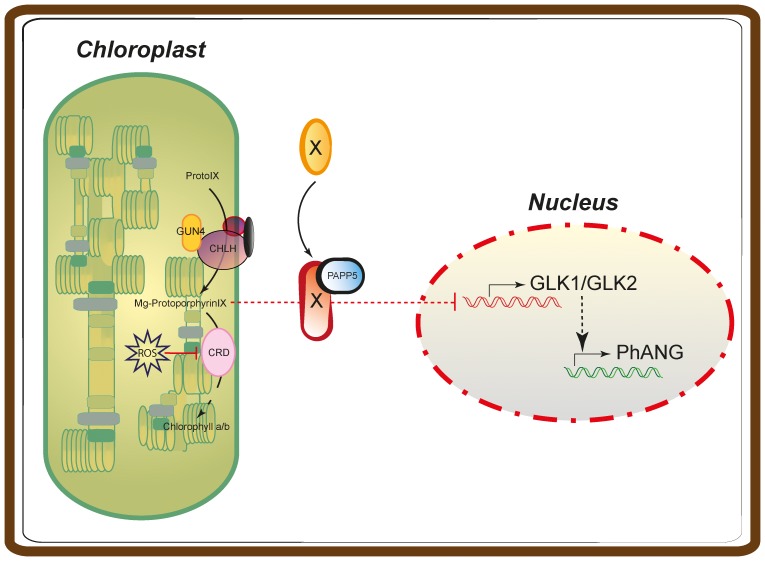
Figure 9. Working model for the role of PAPP5 in tetrapyrrole mediated plastid signalling.
PAPP5 pereceives an inbalance in the tetrapyrrole biosynthesis through the accumulation of Mg-ProtoIX/Mg-ProtoIXME and acts as a negative regulator of chloroplast biogenesis and development. The tetrapyrrole/PAPP5-mediated plastid signal blocks the induction of the genes encoding the GLK1/2 transcription factors. GLK1 and GLK2 are essential for the induction of PhANG expression and chloroplast development.

References

    1. Pogson BJ, Albrecht V (2011) Genetic dissection of chloroplast biogenesis and development: an overview. Plant Physiol 155: 1545–1551. - PMC - PubMed
    1. Chen M, Chory J, Fankhauser C (2004) Light signal transduction in higher plants. Annu Rev Genet 38: 87–117. - PubMed
    1. Chen M, Galvao RM, Li M, Burger B, Bugea J, et al. (2010) Arabidopsis HEMERA/pTAC12 initiates photomorphogenesis by phytochromes. Cell 141: 1230–1240. - PMC - PubMed
    1. Leon P, Arroyo A, Mackenzie S (1998) Nuclear Control of Plastid and Mitochondrial Development in Higher Plants. Annu Rev Plant Physiol Plant Mol Biol 49: 453–480. - PubMed
    1. Oelmuller R, Levitan I, Bergfeld R, Rajasekhar V, Mohr H (1986) Expression of nuclear genes is affected by treatments acting on the plastids. Planta 168: 482–492. - PubMed

Publication types

MeSH terms