


Prevention of LPS-induced microglia activation, cytokine production and sickness behavior with TLR4 receptor interfering peptides
- PMID: 23555964
- PMCID: PMC3610686
- DOI: 10.1371/journal.pone.0060388
Prevention of LPS-induced microglia activation, cytokine production and sickness behavior with TLR4 receptor interfering peptides
Abstract
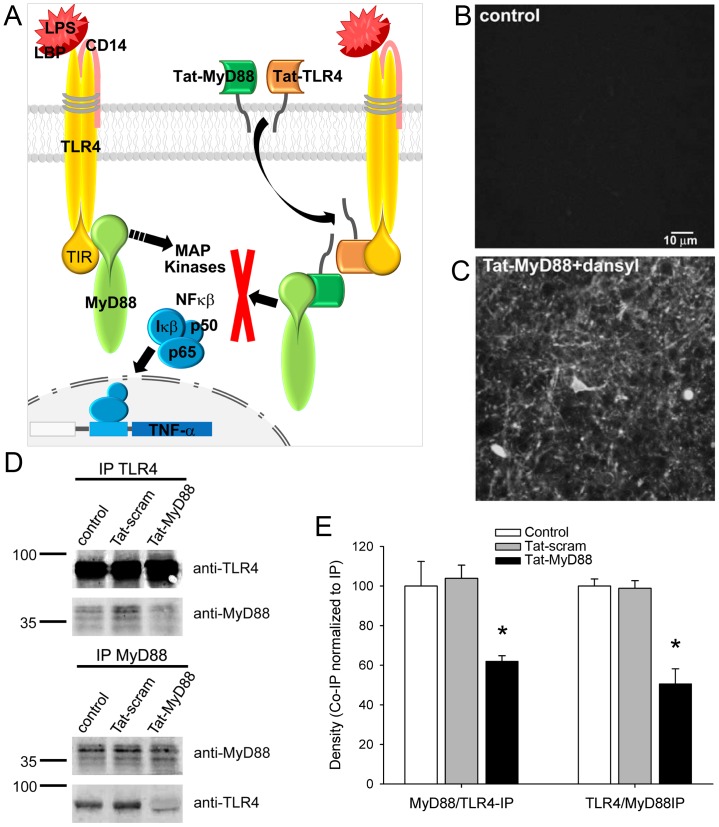
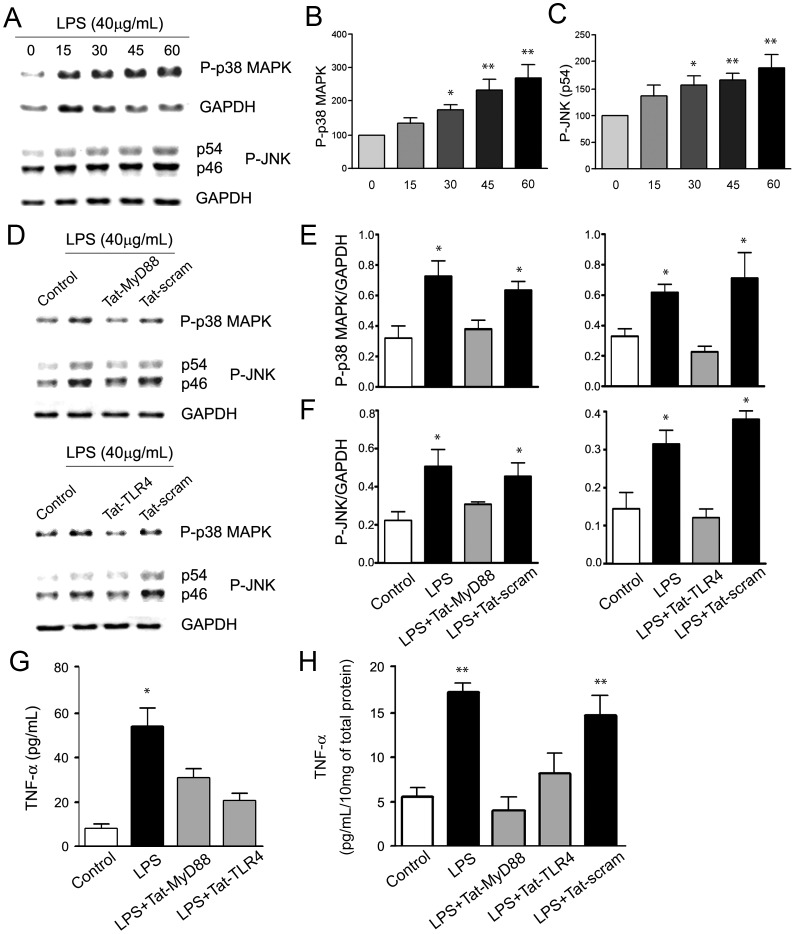
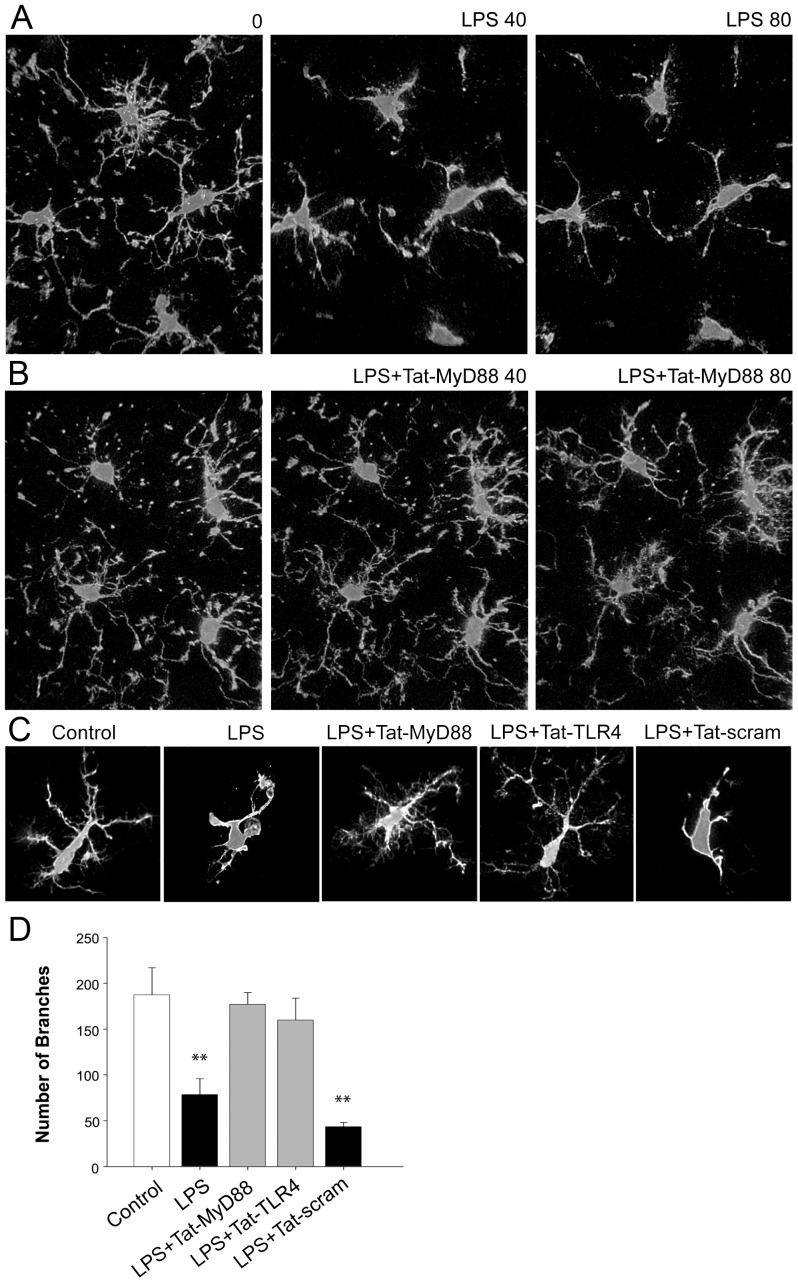
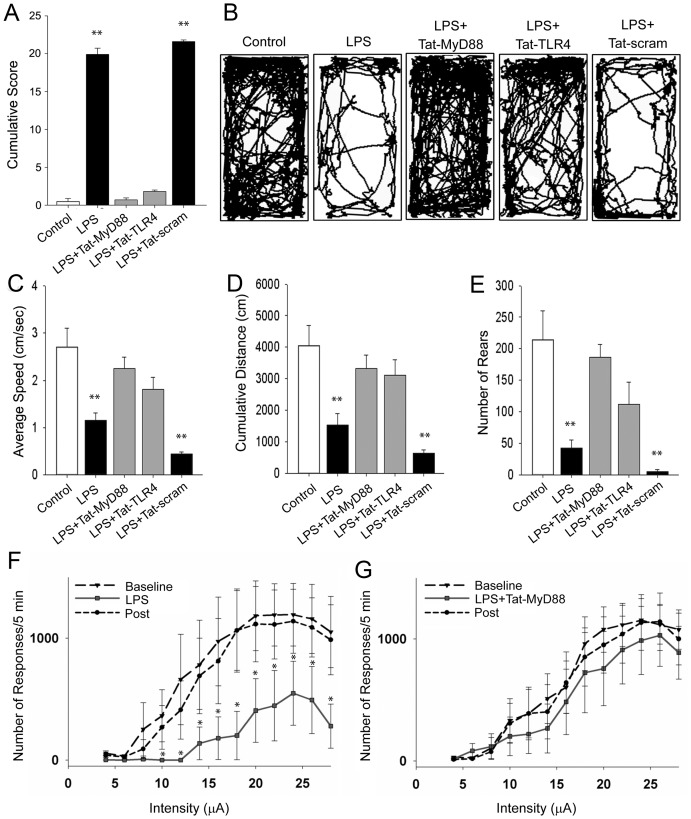
The innate immune receptor Toll-like 4 (TLR4) is the receptor activated by lipopolysaccharide (LPS), and TLR4-LPS interaction is well known to induce an innate immune response, triggering sickness behavior. Within the brain, TLR4 is highly expressed in brain microglia, and excessive inflammation resulting from activation of this pathway in the brain has been implicated in depressive disorders and neurodegenerative pathologies. We hypothesized that blocking LPS-induced activation of TLR4 would prevent downstream immune signaling in the brain and suppress the induction of sickness behavior. We used interfering peptides to block TLR4 activation and confirmed their efficacy in preventing second messenger activation and cytokine production normally induced by LPS treatment. Further, these peptides blocked morphological changes in microglia that are typically induced by LPS. We also demonstrated that intraperitoneal (i.p.) injection of Tat-TLR4 interfering peptides prevented LPS-induced sickness behavior, as assessed in home cage behavior and with the intracranial self-stimulation paradigm. These newly synthesised peptides inhibit TLR4 signaling thereby preventing changes in behavior and motivation caused by inflammatory stimuli. These peptides highlight the roll of TLR4 and microglia morphology changes in sickness behavior, and thus may be of therapeutic value in limiting the deleterious impact of excessive inflammation in specific CNS pathologies.
Conflict of interest statement
Figures
References
-
- Dantzer R (2001) Cytokine-induced sickness behavior: mechanisms and implications. Ann N Y Acad Sci 933: 222–234. - PubMed
-
- Hart BL (1988) Biological basis of the behavior of sick animals. Neurosci Biobehav Rev 12: 123–137. - PubMed
-
- Perry VH (2004) The influence of systemic inflammation on inflammation in the brain: implications for chronic neurodegenerative disease. Brain Behav Immun 18: 407–413. - PubMed
-
- Kettenmann H (2007) Neuroscience: the brain's garbage men. Nature 446: 987–989. - PubMed
Publication types
MeSH terms
Substances
Grants and funding
LinkOut - more resources
Full Text Sources
Other Literature Sources
Molecular Biology Databases
