Alzheimer disease pharmacologic treatment and treatment research
- PMID: 23558481
- PMCID: PMC10564039
- DOI: 10.1212/01.CON.0000429180.60095.d0
Alzheimer disease pharmacologic treatment and treatment research
Abstract
Purpose of review: This article reviews marketed pharmacologic treatments for Alzheimer disease as well as their efficacy, effectiveness, adverse effects, and issues involved in their use, including duration of treatment, adverse events, and controversies. Current experimental drug development, including challenges to developing successful drugs for Alzheimer disease, are also reviewed and assessed.
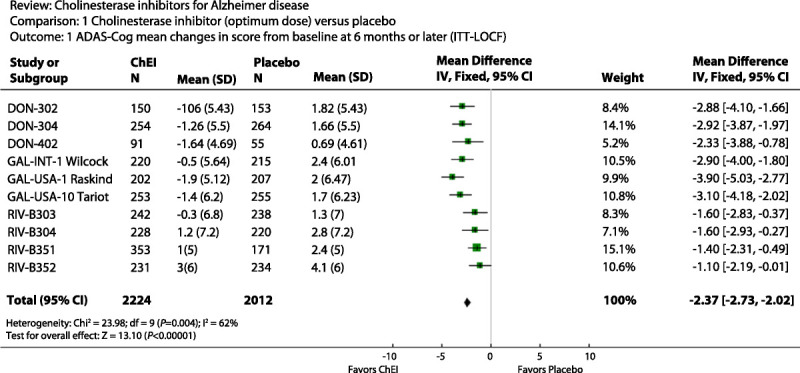
Recent findings: Cholinesterase inhibitors and memantine are the available pharmacologic treatment options. They show limited clinical effects over the shorter term for some patients, mild to moderate cholinergic adverse effects in a minority of patients, and potentially underappreciated toxicity over the longer term. No subsequent experimental drug in development has been successful thus far; there has not been a new drug marketed for Alzheimer disease since 2003.
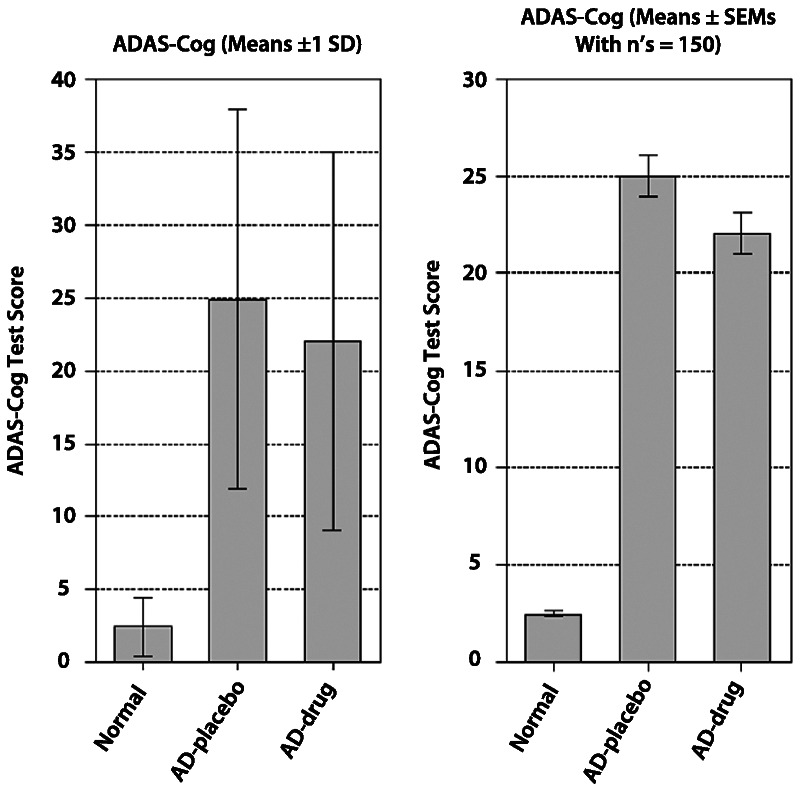
Summary: Cholinesterase inhibitors and memantine are marketed for the treatment of Alzheimer disease. Drug development programs aimed at new targets, including the amyloid-β cascade, have been unsuccessful thus far despite their designs to detect very small or minimal clinical effects from the experimental drugs. Marked advances in preclinical science nevertheless support a basis for considerable optimism that effective interventions will be found soon.
Figures
References
-
- Bartus R,, Dean R,, Beer B, et al.. The cholinergic hypothesis of geriatric memory dysfunction. Science 1982; 217 (4558): 408–414. - PubMed
-
- Drachman DA,, Leavitt J. Human memory and the cholinergic system. A relationship to aging? Arch Neurol 1974;30(2):113–121. - PubMed
-
- Schneider LS. Antidementia drugs. In: Sadock BJ,, Sadock MD,, Ruiz P, editors. Comprehensive textbook of psychiatry. 9th ed. Philadelphia, PA: Lippincott Williams & Wilkins, 2009: 4119–4130.
-
- McArthur RA,, Gray J,, Schreiber R. Cognitive effects of muscarinic M1 functional agonists in non-human primates and clinical trials. Curr Opin Investig Drugs 2010; 11 (7): 740–760. - PubMed
-
- Birks J,, Harvey RJ. Donepezil for dementia due to Alzheimer’s disease. Cochrane Database Syst Rev 2006; (1): CD001190. - PubMed
Publication types
MeSH terms
Substances
LinkOut - more resources
Full Text Sources
Other Literature Sources
Medical
Research Materials