The clinical problem of neuropsychiatric signs and symptoms in dementia
- PMID: 23558484
- PMCID: PMC10563909
- DOI: 10.1212/01.CON.0000429177.14354.83
The clinical problem of neuropsychiatric signs and symptoms in dementia
Abstract
Purpose of review: This article reviews behavioral signs and symptoms of dementia that can lead to increased mortality, excessive cognitive and functional disability, early institutionalization, and increased caregiver burnout.
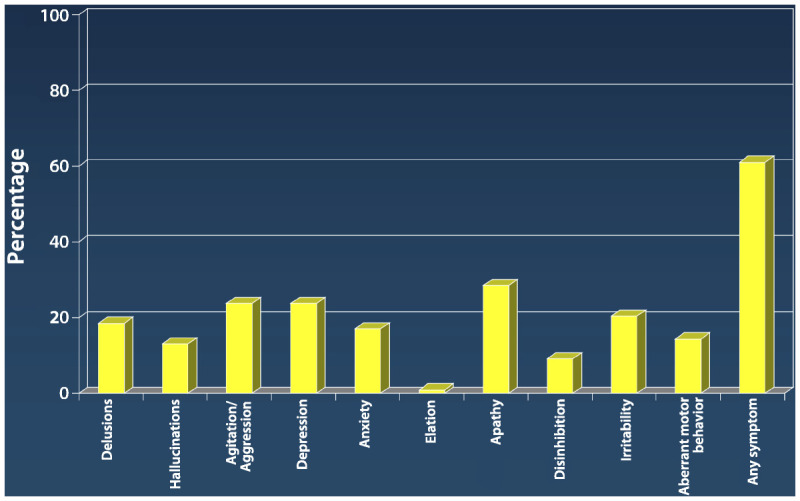
Recent findings: Almost all patients with a dementia will develop significant behavioral disturbances at some point over the course of their illness. These behavioral signs and symptoms rarely fit into usual diagnostic classifications or meet full criteria for a formal major psychiatric disorder.
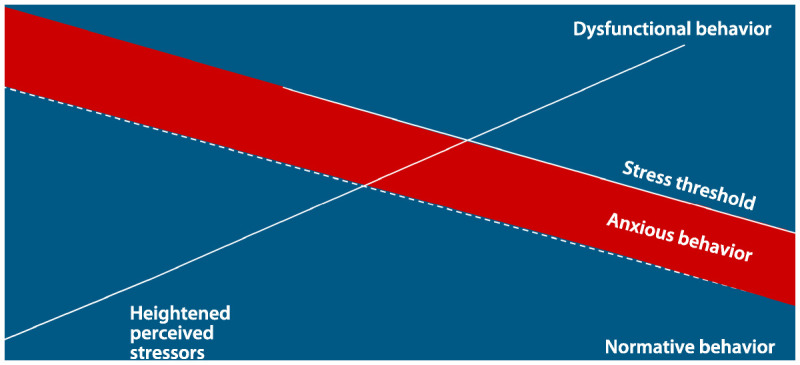
Summary: Treatment of behavioral signs and symptoms of dementia should include both pharmacologic and nonpharmacologic interventions. There are currently no treatments for these disturbances approved by the US Food and Drug Administration. Best judgment should be used in identifying dominant target symptoms and matching them to the most relevant drug class. Implementing nonpharmacologic interventions before the development of neuropsychiatric symptoms may prevent triggers related to a progressively lowered stress threshold and therefore is key in the treatment of all patients with a dementia.
Figures
References
-
- Profenno L,, Tariot PN,, Loy R, et al.. Treatments for behavioral and psychological symptoms in Alzheimer’s disease and other dementia. In: Burns A,, Ames D,, O’Brien J, editors. Dementia 3rd ed. London, England: Edward Arnold Limited, 2006; 38: 482–498.
-
- Cummings JL,, Mega M,, Gray K, et al.. The neuropsychiatric inventory: comprehensive assessment of psychopathology in dementia. Neurology 1994; 44 (12): 2308–2314. - PubMed
-
- Lyketsos CG,, Steinberg M,, Tschanz JT, et al.. Mental and behavioral disturbances in dementia: findings from the Cache County Study on Memory in Aging. Am J Psychiatry 2000; 157 (5): 708–714. - PubMed
-
- Hall G,, Buckwalter K. A conceptual model for planning and evaluating care of the client with Alzheimer’s disease. Arch Psychiatr Nurs 1987; 1 (6): 399–406. - PubMed
Publication types
MeSH terms
Substances
LinkOut - more resources
Full Text Sources
Other Literature Sources
Medical
Research Materials