. 2013;8(4):e60211.
doi: 10.1371/journal.pone.0060211. Epub 2013 Apr 1.

Phosphorylated C/EBPβ influences a complex network involving YY1 and USF2 in lung epithelial cells

Affiliations

Phosphorylated C/EBPβ influences a complex network involving YY1 and USF2 in lung epithelial cells

Victoria Viart et al. PLoS One. 2013.

Abstract

The promoter of the cystic fibrosis transmembrane conductance regulator gene CFTR is tightly controlled by regulators including CCAAT/enhancer binding proteins (C/EBPs). We previously reported that the transcription factors YY1 and USF2 affect CFTR expression. We can now demonstrate that C/EBPβ, a member of the CCAAT family, binds to the CFTR promoter and contributes to its transcriptional activity. Our data reveal that C/EBPβ cooperates with USF2 and acts antagonistically to YY1 in the control of CFTR expression. Interestingly, YY1, a strong repressor, fails to repress the CFTR activation induced by USF2 through DNA binding competition. Collectively, the data strongly suggest a model by which USF2 functionally interacts with YY1 blocking its inhibitory activity, in favour of C/EBPβ transactivation. Further investigation into the interactions between these three proteins revealed that phosphorylation of C/EBPβ influences the DNA occupancy of YY1 and favours the interaction between USF2 and YY1. This phosphorylation process has several implications in the CFTR transcriptional process, thus evoking an additional layer of complexity to the mechanisms influencing CFTR gene regulation.


Conflict of interest statement

Competing Interests: The authors have declared that no competing interests exist.

Figures

Figure 1
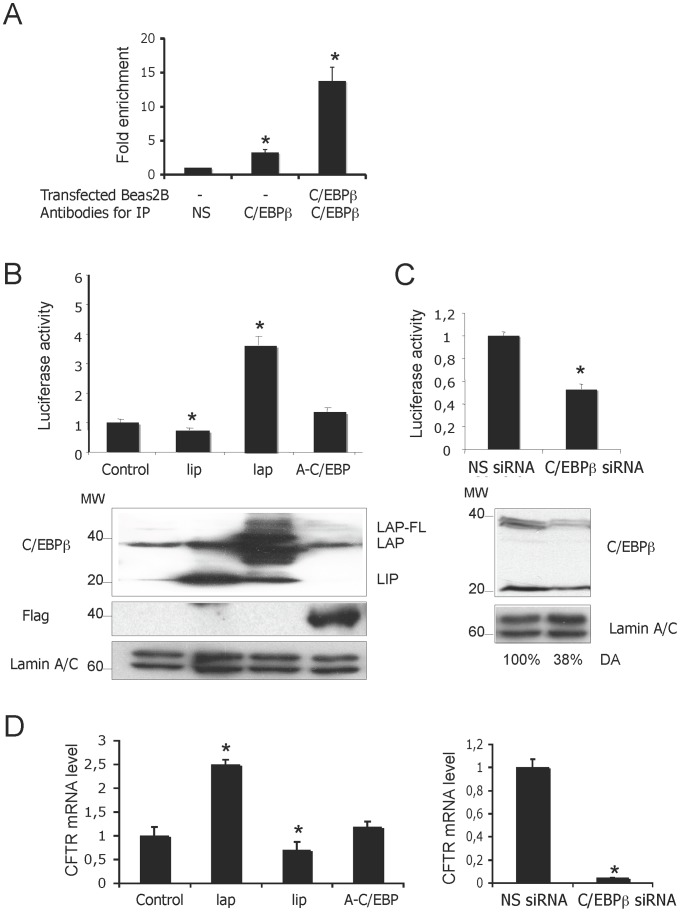
Figure 1. C/EBPβ activates CFTR promoter activity.
(A) Assessment of C/EBPβ binding to the minimal CFTR promoter by ChIP analysis using quantitative PCR. Cells were transfected or not with C/EBPβ plasmid as indicated. Extracts were immunoprecipitated IP with either an anti-C/EBPβ or a non-specific antibody (HA also denoted NS). DNA from immunoprecipitates and input DNA (which represents 5% of total chromatin) were analyzed by quantitative PCR using primers amplifying the minimal CFTR promoter. Input (IN) corresponds to the amplification of total DNA and serves to normalize CFTR amplification as described in the Materials and Methods section. Data are expressed as fold enrichment of DNA associated with the indicated immunoprecipitated antibody relative to a 1/20 dilution of IN and specific binding was determined by subtracting binding with NS antibody. The asterisk (*) indicates that the value is statistically significant (p<0.05) (B) The CFTR promoter construct (−226 to +135) in the Luc reporter vector was co-transfected with 0.04 µg of C/EBPβ LAP or LIP, or A-CEBP expression vectors. The position of the C/EBPβ isoforms LAP (35 kDa and 38 kDa) and LIP (20 kDa) are indicated on immunoblots. Flag antibody was used for revealing A-CEBP form over-expression. (C) The CFTR promoter construct was co-transfected with either a non-specific (NS) siRNA or specific C/EBPβ siRNA. Densitometric Analysis (DA) was performed as described in the Materials and Methods section. (D) Effect of C/EBPβ on CFTR mRNA level in Beas2B epithelial cell lines. Cells were transfected with the different forms of C/EBPβ (left panel) and the C/EBPβ-specific siRNA (right panel). The mRNA expression level following transfection of either an empty vector or a control siRNA was then set as 1. The asterisk reflects the statistical significance set at P<0.05.
Figure 2
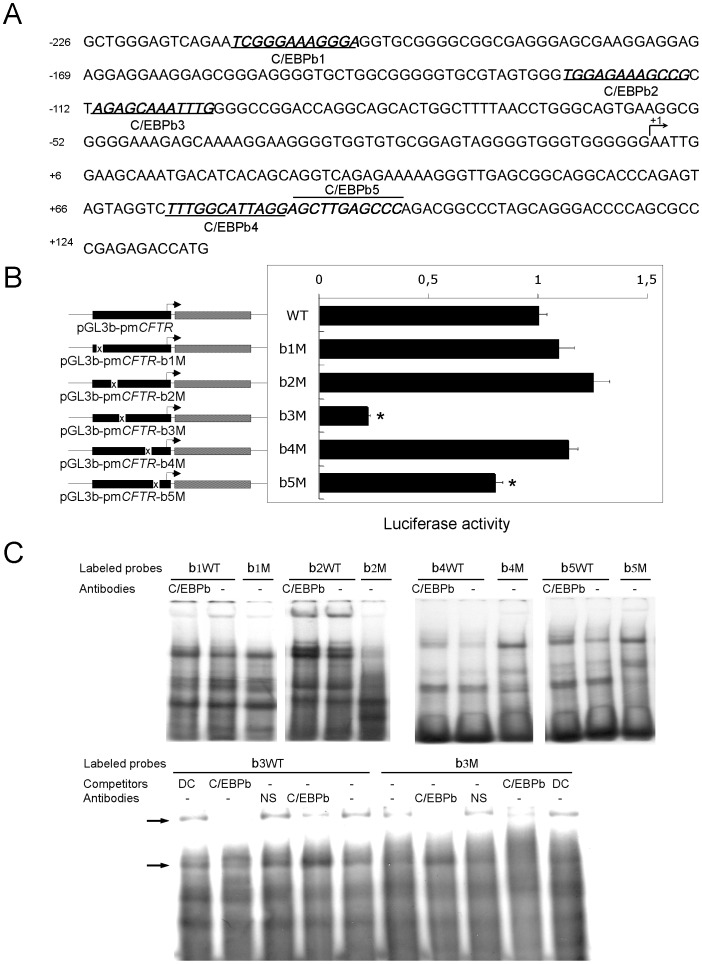
Figure 2. The C/EBPβ motif located at position −111/−100 is important for CFTR transcriptional activity.
(A) Sequence of the CFTR minimal promoter containing five binding sites for the C/EBPβ transcription factor. The C/EBPβ motifs are underlined. The major transcriptional start site is indicated by +1. (B) Basal transcriptional activity of wild-type or degenerated C/EBPβ motifs of the CFTR promoter. On the left is a schematic scaled representation of the full-length pGL3 and degenerated binding motifs for the C/EBPβ transcription factor. Luciferase activity obtained with the WT-pGL3 luciferase construct was defined as 100%, and relative activities from mutant constructs are expressed as a percentage of this value. *P<0.05. (C) EMSA analysis with nuclear extracts from C/EBPβ protein-enriched Beas2B cells using wild-type or mutated labelled oligonucleotide probes (sequences listed in Table 1). Competitors (DC, Degenerated Competitors or specific competitors of C/EBPβ) or antibodies (NS, Non Specific or directed against C/EBPβ) were also used. Arrow corresponds to complexes containing C/EBPβ.
Figure 3
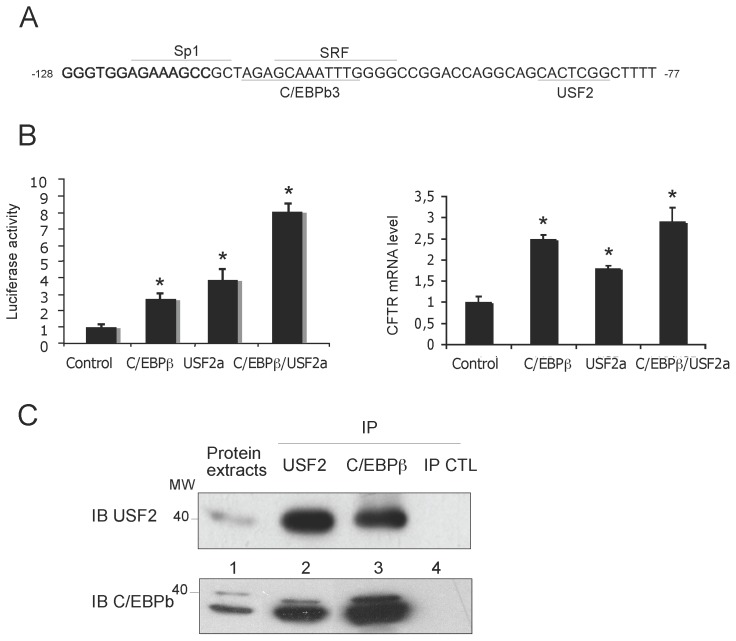
Figure 3. USF2 increases CFTR promoter activation induced by C/EBPβ.
(A) Sequence of the CFTR minimal promoter containing binding sites for the C/EBPβ, USF2 and SRF transcription factors. The C/EBPβ motifs are underlined. (B) C/EBPβ and USF2 stimulate the CFTR transcriptional activity (left panel). Beas2B cells were cotransfected with the CFTR (0.072 µg) reporter plasmid, C/EBPβ-LAP (0.04 µg) and USF2 (0.02 µg) expression vectors as indicated. C/EBPβ and USF2 increase the endogenous CFTR mRNA level (right panel). Beas2B cells were cotransfected with either the C/EBPβ-LAP (0.04 µg) and USF2 (0.02 µg) expression vectors as indicated. *P<0.05. (C) Interaction between C/EBPβ and USF2 proteins. Beas2B cell extracts were immunoprecipitated with a USF2-, C/EBPβ-specific antibody (lanes 2 and 3, respectively) or an irrelevant HA antibody (lane 4). Immunoprecipitated proteins were then analyzed by western blotting using either a USF2a (upper panel) or a C/EBPβ- (lower panel) antibody. Lane 1 corresponds to whole cell extracts used for immunoprecipitation.
Figure 4
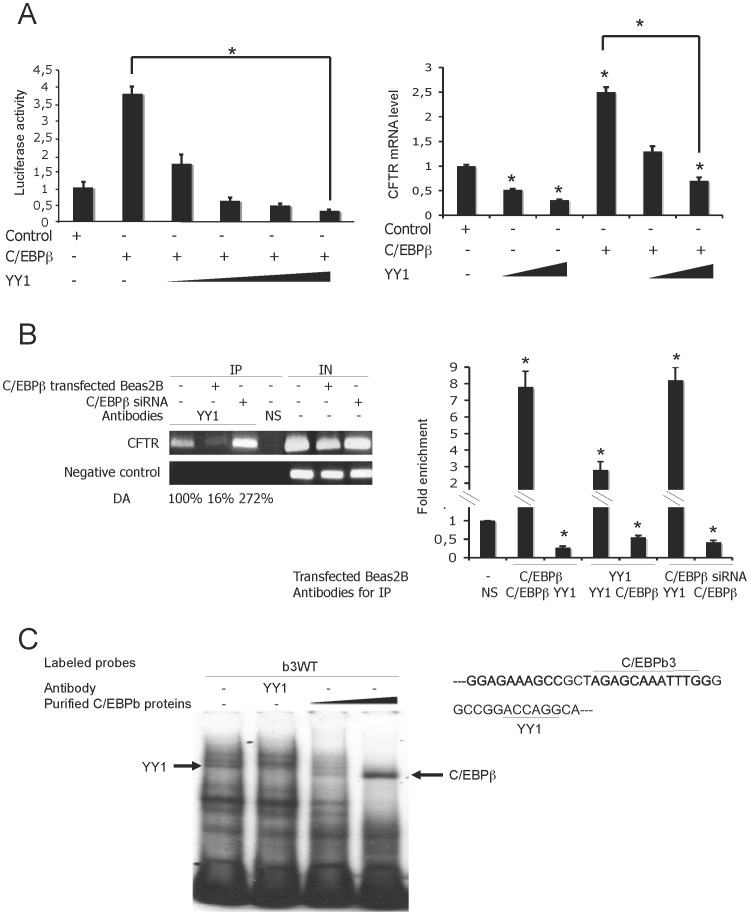
Figure 4. YY1 antagonizes the positive effect of C/EBP-LAP through mutually exclusive DNA binding.
(A) Beas2B cells were cotransfected with a fixed amount of both CFTR (0.072 µg) reporter and C/EBPβ (0.04 µg) expression vectors and increasing amount of plasmid encoding YY1 (0.004 to 0.08 µg) as indicated (left panel). Endogenous CFTR mRNA level following C/EBPβ (0.04 µg) expression vectors and increasing amounts of plasmid encoding YY1 (0.004 and 0.08 µg) (right panel). *P<0.05. (B) Left panel: ChIP experiment was performed on cells transfected or not with either C/EBPβ plasmid or respective siRNA. Protein extracts were immunoprecipitated IP with the indicated antibody. Input (IN) corresponds to total lysate used as a control for PCR amplification of total DNA. CFTR, represents CFTR promoter amplification and negative control, ChIP analysis of CFTR sequence which lacks the YY1 binding motif. Right panel: DNA from immunoprecipitates and input DNA (which represents 5% of total chromatin) were analyzed by quantitative PCR using primers amplifying the minimal CFTR promoter. Data are defined as fold enrichment of DNA associated with indicated immunoprecipitated antibody relative to input chromatin and specific binding was expressed as a function of non-sepcific (NS) antibody binding set as 1. (C) Functional interplay between C/EBPβ and YY1. Mutually exclusive DNA-binding activity of YY1 and C/EBPβ at the C/EBPb3 binding site. The labelled b3WT probe was incubated with C/EBPβ-transfected Beas2B nuclear extracts in the presence of increasing amounts of purified C/EBPβ. Arrows indicate the position of C/EBPβ and YY1.
Figure 5
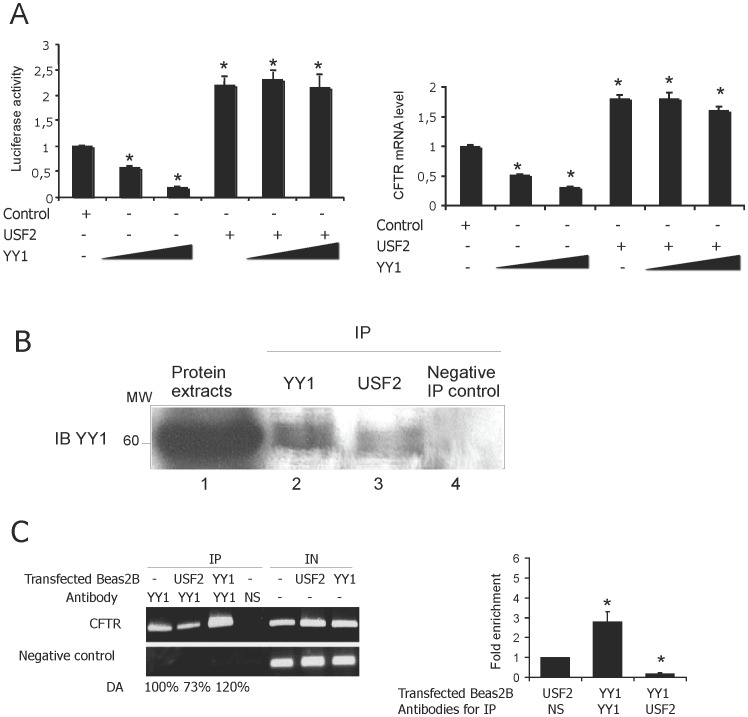
Figure 5. USF2 interacts with YY1 and blocks its repressive activity.
(A) Left panel: Beas2B cells were cotransfected with a fixed amount of both CFTR (0.072 µg) reporter plasmid and USF2 (0.02 µg) expression vectors and increasing amounts of plasmid encoding YY1 (0.004 and 0.08 µg) as indicated. *P<0.05. Right panel: Endogenous CFTR mRNA level following transfection of USF2 (0.02 µg) expression vectors and increasing amounts of plasmid encoding YY1 (0.004 and 0.08 µg). (B) Interaction between USF2 and YY1 proteins. Beas2B cell extracts were immunoprecipitated with either specific antibodies (lanes 2 and 3) or the HA irrelevant antibody (lane 4), as indicated. Immunoprecipitated proteins were then analyzed by western blotting using a YY1-specific antibody. Lane 1 corresponds to whole cell extracts used for immunoprecipitation. (C) Left panel: ChIP analysis was performed to evaluate the YY1 DNA occupancy. Protein extracts from cells transfected or not with indicated antibodies, were immunoprecipated IP with either a specific or an irrelevant antibody (HA). Input (IN), corresponds to amplification of total DNA. CFTR, represents CFTR promoter amplification and negative control, ChIP analysis of the CFTR sequence lacking the YY1 binding motif. Right panel: DNA from immunoprecipitates and input DNA were analyzed by quantitative PCR. Data are defined as fold enrichment relative to input chromatin and specific binding was expressed as a function of non-sepcific (NS) antibody binding set as 1.
Figure 6
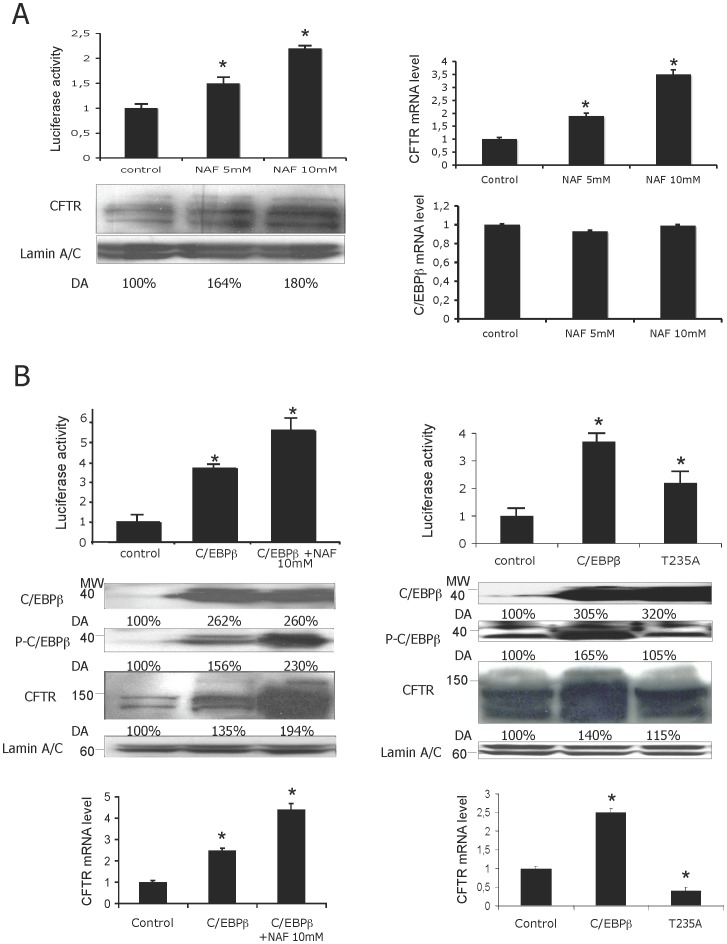
Figure 6. NAF treatment stimulates the CFTR activity induced by C/EBPβ.
(A) Left panel: When indicated, Beas2B cells were incubated in the presence of NAF (left panel) at the indicated concentrations. Immunoblots showing either CFTR or LaminA/C expression are represented below the graph. Right panel: Endogenous mRNA level of either CFTR or C/EBPβ following NAF incorporation at indicated concentrations. (B) Upper panel: Combinatorial effect of C/EBPβ and NAF treatment. Cells were transfected either with C/EBPβ plasmid after NAF treatment (left panel) or with LAPT235A expression vector (right panel). Middle panel: Representative immunoblots are shown below the graphs. Lower panel: Endogenous CFTR mRNA level. *P<0.05.
Figure 7
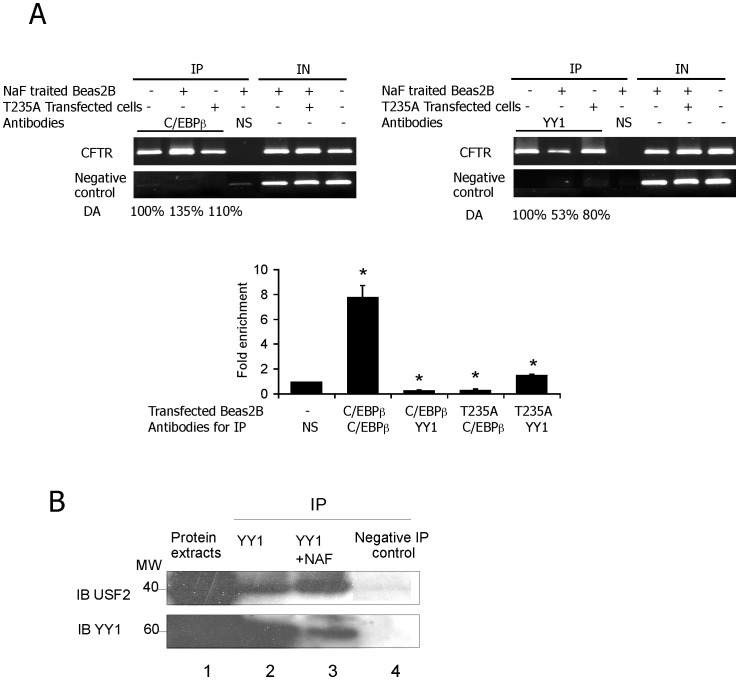
Figure 7. Phosphorylation of C/EBPβ affects the YY1 DNA occupancy and favours YY1/USF2 interaction.
(A) Left panel: ChIP experiments were performed using NAF-treated Beas2B cells when indicated. Protein extracts were immunoprecipitated IP with the indicated antibodies. Input (IN), corresponds to total lysate used as a control for PCR amplification of total DNA and served to normalize CFTR amplification as described in Materials and Methods Section. CFTR, represents CFTR promoter amplification and negative control, ChIP analysis of CFTR sequence which lacks both C/EBPβ and YY1 binding motifs. Right panel: DNA from immunoprecipitates and input DNA were analyzed by quantitative PCR. Data are defined as fold enrichment relative to input chromatin and specific binding was expressed as a function of non-specific (NS) antibody (anti-HA) binding set as 1. (B) Beas2B cells were treated when indicated with NAF and protein extracts were immunoprecipitated with either an anti-YY1 (lanes 2 and 3) or an irrelevant antibody (lane 4). Immunoprecipitated proteins were then analyzed by western blotting using either an anti-USF2a or an anti-YY1 antibody. Lane 1 corresponds to whole cell extracts used for IP.
Figure 8
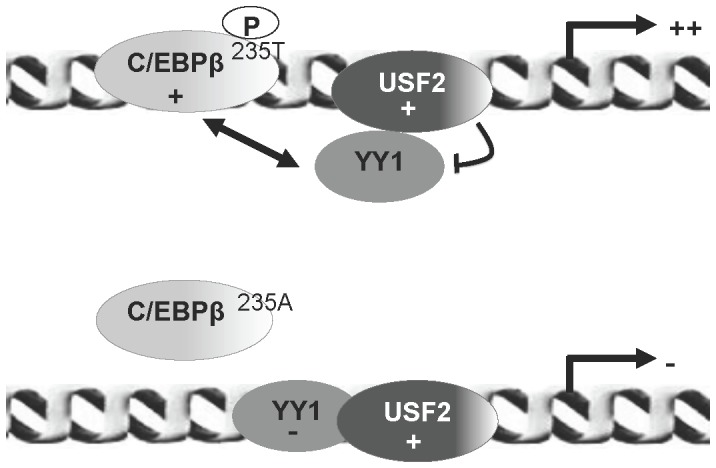
Figure 8. Schematic model depicting the potential mechanism that might contribute to regulation of the CFTR gene.
In this model, coloured bubbles correspond to the transcription factors characterized in this study. Double arrow shows the functional antagonism between C/EBPβ and YY1. The upper representation corresponds to the transcriptional activation of the CFTR gene when C/EBPβ is phosphorylated and the lower representation corresponds to the decrease of the transcription following overexpression of a C/EBPβ form not phosphorylatable on its 235T residue.

References

    1. Lekstrom-Himes J, Xanthopoulos KG (1998) Biological role of the CCAAT/enhancer-binding protein family of transcription factors. J Biol Chem 273: 28545–28548. - PubMed
    1. Ramji DP, Foka P (2002) CCAAT/enhancer-binding proteins: structure, function and regulation. Biochem J 365: 561–575. - PMC - PubMed
    1. Cassel TN, Nord M (2003) C/EBP transcription factors in the lung epithelium. Am J Physiol Lung Cell Mol Physiol 285: L773–781. - PubMed
    1. Martis PC, Whitsett JA, Xu Y, Perl AK, Wan H, et al. (2006) C/EBPalpha is required for lung maturation at birth. Development 133: 1155–1164. - PubMed
    1. Pittman N, Shue G, LeLeiko NS, Walsh MJ (1995) Transcription of cystic fibrosis transmembrane conductance regulator requires a CCAAT-like element for both basal and cAMP-mediated regulation. J Biol Chem 270: 28848–28857. - PubMed

Publication types

MeSH terms

LinkOut - more resources