


Modulation of the metabiome by rifaximin in patients with cirrhosis and minimal hepatic encephalopathy
- PMID: 23565181
- PMCID: PMC3615021
- DOI: 10.1371/journal.pone.0060042
Modulation of the metabiome by rifaximin in patients with cirrhosis and minimal hepatic encephalopathy
Abstract
Hepatic encephalopathy (HE) represents a dysfunctional gut-liver-brain axis in cirrhosis which can negatively impact outcomes. This altered gut-brain relationship has been treated using gut-selective antibiotics such as rifaximin, that improve cognitive function in HE, especially its subclinical form, minimal HE (MHE). However, the precise mechanism of the action of rifaximin in MHE is unclear. We hypothesized that modulation of gut microbiota and their end-products by rifaximin would affect the gut-brain axis and improve cognitive performance in cirrhosis. Aim To perform a systems biology analysis of the microbiome, metabolome and cognitive change after rifaximin in MHE.
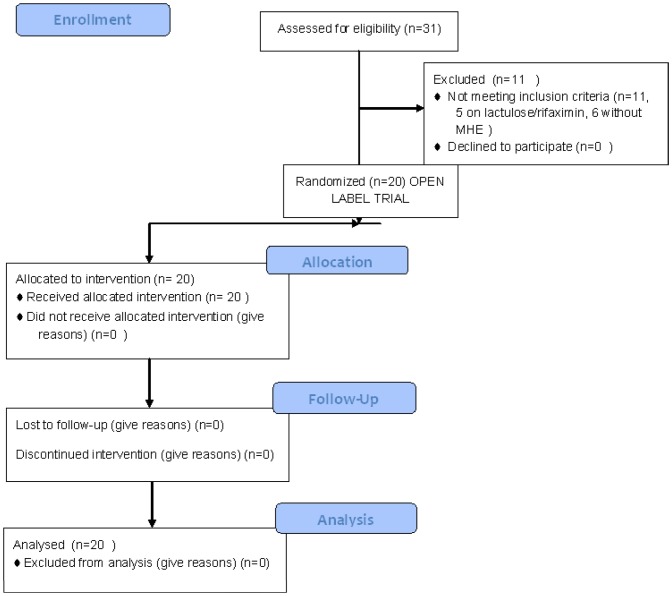
Methods: Twenty cirrhotics with MHE underwent cognitive testing, endotoxin analysis, urine/serum metabolomics (GC and LC-MS) and fecal microbiome assessment (multi-tagged pyrosequencing) at baseline and 8 weeks post-rifaximin 550 mg BID. Changes in cognition, endotoxin, serum/urine metabolites (and microbiome were analyzed using recommended systems biology techniques. Specifically, correlation networks between microbiota and metabolome were analyzed before and after rifaximin.
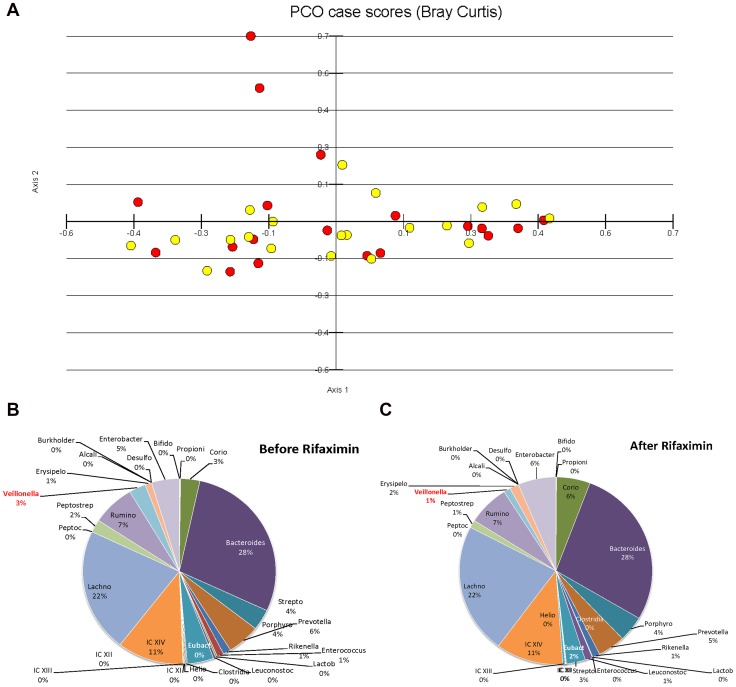
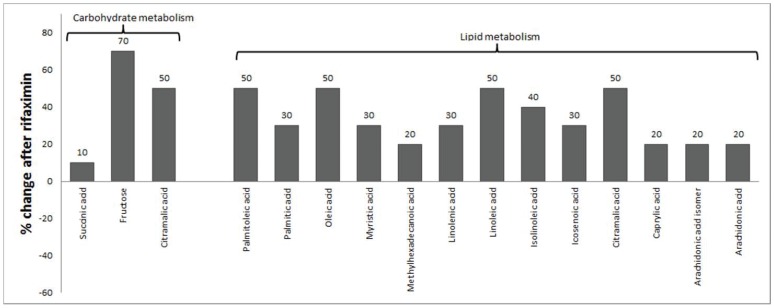
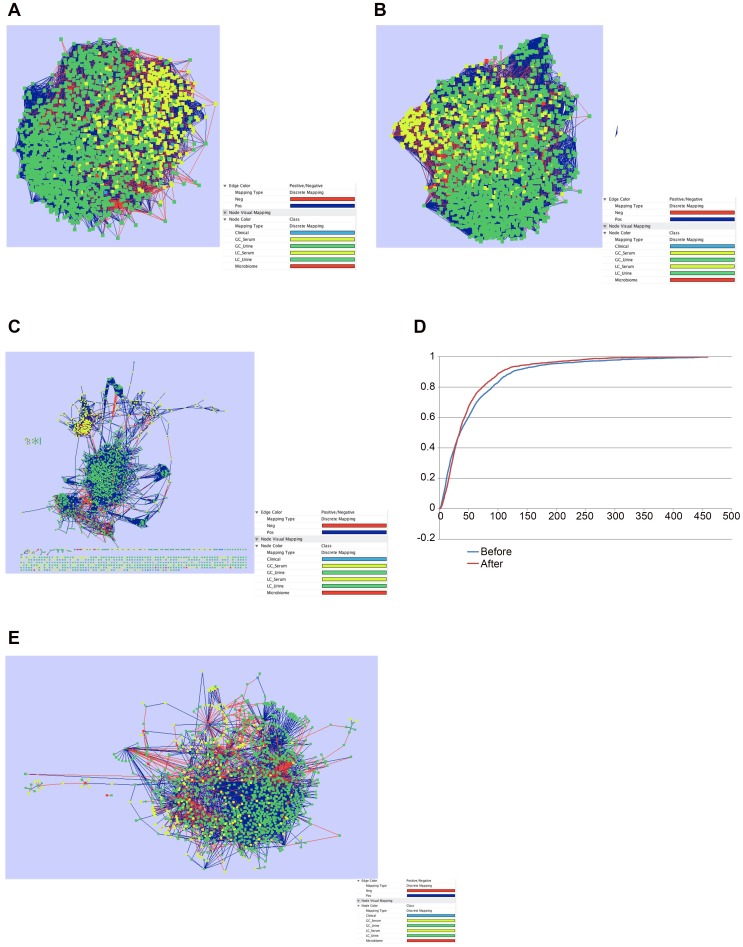
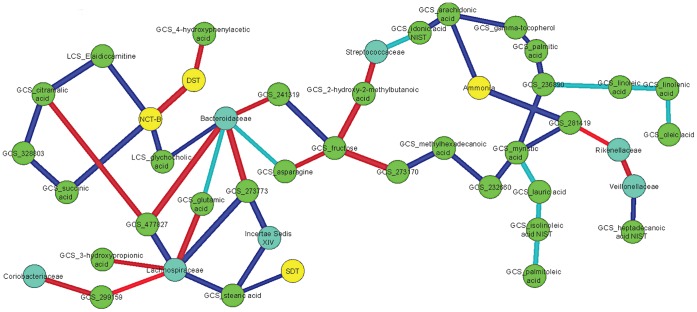
Results: There was a significant improvement in cognition(six of seven tests improved, p<0.01) and endotoxemia (0.55 to 0.48 Eu/ml, p = 0.02) after rifaximin. There was a significant increase in serum saturated (myristic, caprylic, palmitic, palmitoleic, oleic and eicosanoic) and unsaturated (linoleic, linolenic, gamma-linolenic and arachnidonic) fatty acids post-rifaximin. No significant microbial change apart from a modest decrease in Veillonellaceae and increase in Eubacteriaceae was observed. Rifaximin resulted in a significant reduction in network connectivity and clustering on the correlation networks. The networks centered on Enterobacteriaceae, Porphyromonadaceae and Bacteroidaceae indicated a shift from pathogenic to beneficial metabolite linkages and better cognition while those centered on autochthonous taxa remained similar.
Conclusions: Rifaximin is associated with improved cognitive function and endotoxemia in MHE, which is accompanied by alteration of gut bacterial linkages with metabolites without significant change in microbial abundance.
Trial registration: ClinicalTrials.gov NCT01069133.
Conflict of interest statement
Figures
References
-
- Bajaj JS, Wade JB, Sanyal AJ (2009) Spectrum of neurocognitive impairment in cirrhosis: Implications for the assessment of hepatic encephalopathy. Hepatology 50: 2014–2021. - PubMed
-
- Ortiz M, Jacas C, Cordoba J (2005) Minimal hepatic encephalopathy: diagnosis, clinical significance and recommendations. J Hepatol 42 Suppl: S45–53 - PubMed
-
- Kappus MR, Bajaj JS (2012) Covert Hepatic Encephalopathy: Not as Minimal as You Might Think. Clin Gastroenterol Hepatol. - PubMed
-
- Sidhu SS, Goyal O, Mishra BP, Sood A, Chhina RS, et al. (2011) Rifaximin improves psychometric performance and health-related quality of life in patients with minimal hepatic encephalopathy (the RIME Trial). Am J Gastroenterol 106: 307–316. - PubMed
Publication types
MeSH terms
Substances
Associated data
Grants and funding
LinkOut - more resources
Full Text Sources
Other Literature Sources
Medical
Miscellaneous
