


Molecular identification of falciparum malaria and human tuberculosis co-infections in mummies from the Fayum depression (Lower Egypt)
- PMID: 23565222
- PMCID: PMC3614933
- DOI: 10.1371/journal.pone.0060307
Molecular identification of falciparum malaria and human tuberculosis co-infections in mummies from the Fayum depression (Lower Egypt)
Abstract
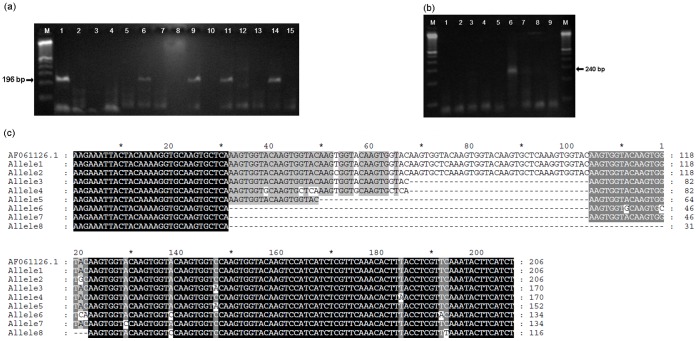
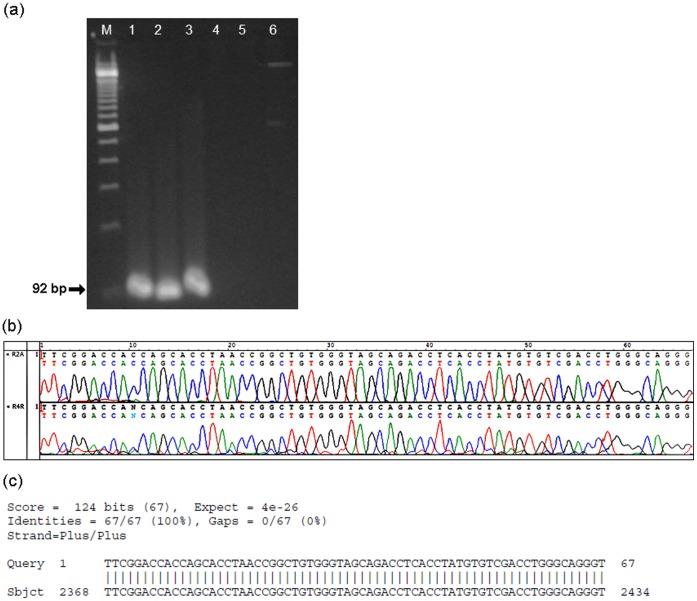
Due to the presence of the lake Quarun and to the particular nature of its irrigation system, it has been speculated that the Fayum, a large depression 80 kilometers south-west of modern Cairo, was exposed to the hazards of malaria in historic times. Similarly, it has been speculated that, in the same area, also human tuberculosis might have been far more widespread in the antiquity than in its recent past. If these hypotheses were confirmed, it would imply that frequent cases of co-infection between the two pathogens might have occurred in ancient populations. To substantiate those speculations, molecular analyses were carried out on sixteen mummified heads recovered from the necropolis of Abusir el Meleq (Fayum) dating from the 3(rd) Intermediate Period (1064-656 BC) to the Roman Period (30 BC-300 AD). Soft tissue biopsies were used for DNA extractions and PCR amplifications using well-suited protocols. A partial 196-bp fragment of Plasmodium falciparum apical membrane antigen 1 gene and a 123-bp fragment of the Mycobacterium tuberculosis complex insertion sequence IS6110 were amplified and sequenced in six and five of the sixteen specimens, respectively. A 100% concordance rates between our sequences and those of P. falciparum and M. tuberculosis complex ones were obtained. Lastly, concomitant PCR amplification of P. falciparum and M. tuberculosis complex DNA specific fragments was obtained in four mummies, three of which are (14)C dated to the Late and Graeco-Roman Periods. Our data confirm that the hydrography of Fayum was extremely conducive to the spread of malaria. They also support the notion that the agricultural boom and dense crowding occurred in this region, especially under the Ptolemies, highly increased the probability for the manifestation and spread of tuberculosis. Here we extend back-wards to ca. 800 BC new evidence for malaria tropica and human tuberculosis co-occurrence in ancient Lower Egypt.
Conflict of interest statement
Figures
References
-
- World Health Organization (2012) Global tuberculosis report 2012. Geneva.
-
- Murray CJL, Rosenfeld LC, Lim SS, Andrews KG, Foreman KJ, et al. (2012) Global malaria mortality between 1980 and 2010: a systematic analysis. Lancet 379: 413–431. - PubMed
-
- World Health Organization (2012) World Malaria Report 2012. Geneva.
-
- Wiwanitkit V (2006) Co-infection between tuberculosis and malaria: a consideration on interaction of molecules and pathogenesis. J Vect Borne Dis 43: 195–197. - PubMed
-
- Boraschi D, Alemayehu MA, Asella P, Chiodi F, Chisi J, et al. (2008) Immunity against HIV/AIDS, Malaria and Tuberculosis during Co-Infections with Neglected Tropical Diseases. Recommendations for the European Union Research Priorities. PloS Negl Trop Dis 2(6): e255 doi:10.1371/journal.pntd.0000255. - DOI - PMC - PubMed
Publication types
MeSH terms
Substances
LinkOut - more resources
Full Text Sources
Other Literature Sources
Medical
Miscellaneous
