


Harnessing electronic health records for public health surveillance
- PMID: 23569616
- PMCID: PMC3615793
- DOI: 10.5210/ojphi.v3i3.3794
Harnessing electronic health records for public health surveillance
Abstract
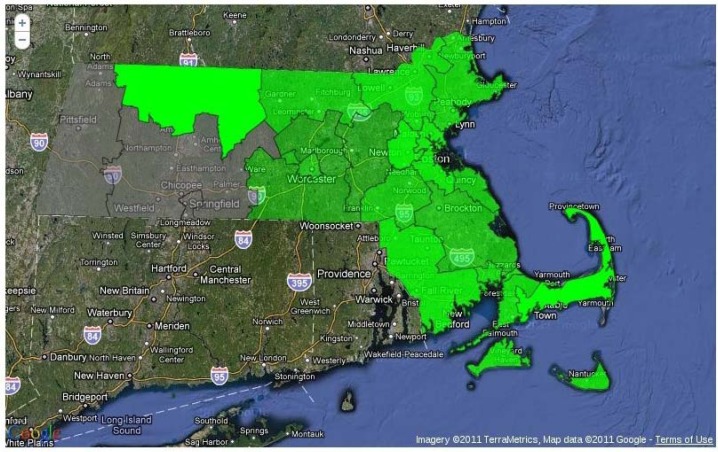
Electronic medical record (EMR) systems are a rich potential source for detailed, timely, and efficient surveillance of large populations. We created the Electronic medical record Support for Public Health (ESP) system to facilitate and demonstrate the potential advantages of harnessing EMRs for public health surveillance. ESP organizes and analyzes EMR data for events of public health interest and transmits electronic case reports or aggregate population summaries to public health agencies as appropriate. It is designed to be compatible with any EMR system and can be customized to different states' messaging requirements. All ESP code is open source and freely available. ESP currently has modules for notifiable disease, influenza-like illness syndrome, and diabetes surveillance. An intelligent presentation system for ESP called the RiskScape is under development. The RiskScape displays surveillance data in an accessible and intelligible format by automatically mapping results by zip code, stratifying outcomes by demographic and clinical parameters, and enabling users to specify custom queries and stratifications. The goal of RiskScape is to provide public health practitioners with rich, up-to-date views of health measures that facilitate timely identification of health disparities and opportunities for targeted interventions. ESP installations are currently operational in Massachusetts and Ohio, providing live, automated surveillance on over 1 million patients. Additional installations are underway at two more large practices in Massachusetts.
References
-
- Centers for Disease Control and Prevention Automated detection and reporting of notifiable diseases using electronic medical records versus passive surveillance--Massachusetts, June 2006–July 2007. MMWR Morb Mortal Wkly Rep. 2008;57(14):373–376. - PubMed
-
- Klompas M, McVetta J, Eggleson E, et al. Automated surveillance and public health reporting for gestational diabetes incidence and care using electronic health record data (abstract) Emerging Health Threats Journal. 2011:4.
LinkOut - more resources
Full Text Sources
