


Anthrax: an update
- PMID: 23569822
- PMCID: PMC3614207
- DOI: 10.1016/S2221-1691(11)60109-3
Anthrax: an update
Abstract
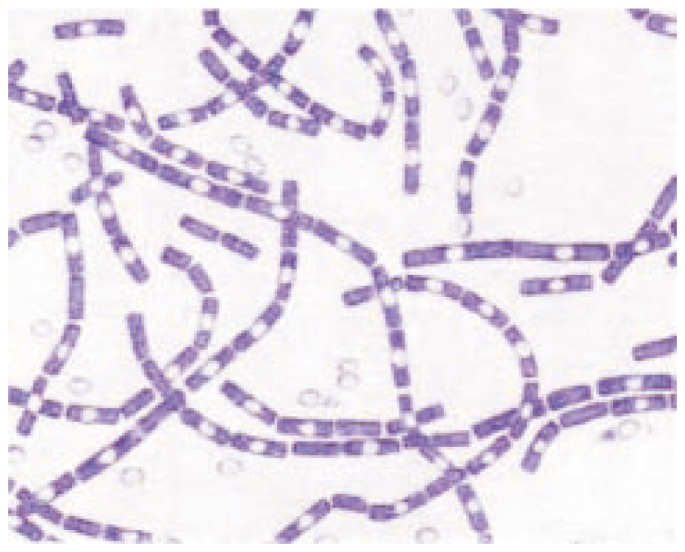
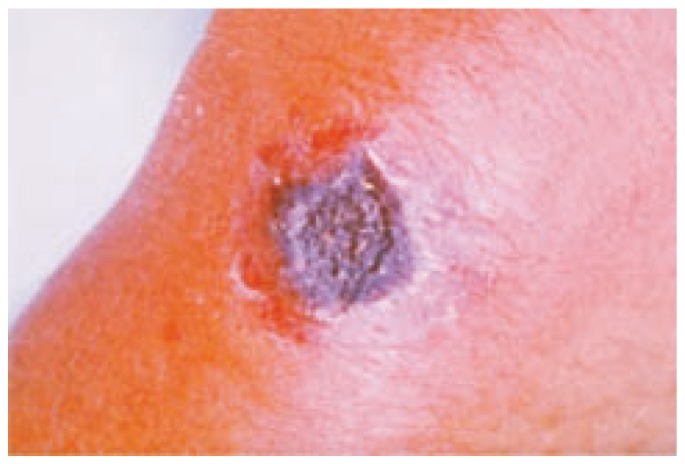
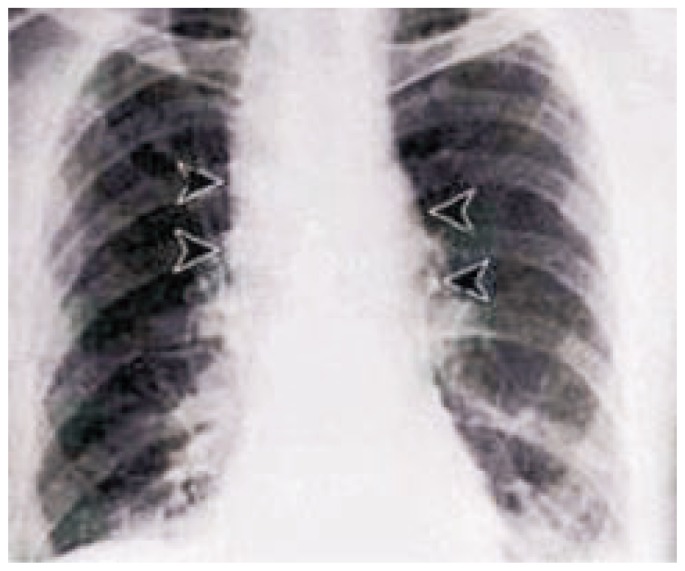
Anthrax is a zoonotic disease caused by Bacillus anthracis. It is potentially fatal and highly contagious disease. Herbivores are the natural host. Human acquire the disease incidentally by contact with infected animal or animal products. In the 18th century an epidemic destroyed approximately half of the sheep in Europe. In 1900 human inhalational anthrax occured sporadically in the United States. In 1979 an outbreak of human anthrax occured in Sverdlovsk of Soviet Union. Anthrax continued to represent a world wide presence. The incidence of the disease has decreased in developed countries as a result of vaccination and improved industrial hygiene. Human anthrax clinically presents in three forms, i.e. cutaneous, gastrointestinal and inhalational. About 95% of human anthrax is cutaneous and 5% is inhalational. Gastrointestinal anthrax is very rare (less than 1%). Inhalational form is used as a biological warefare agent. Penicillin, ciprofloxacin (and other quinolones), doxicyclin, ampicillin, imipenem, clindamycin, clarithromycin, vancomycin, chloramphenicol, rifampicin are effective antimicrobials. Antimicrobial therapy for 60 days is recommended. Human anthrax vaccine is available. Administration of anti-protective antigen (PA) antibody in combination with ciprofloxacin produced 90%-100% survival. The combination of CPG-adjuvanted anthrax vaccine adsorbed (AVA) plus dalbavancin significantly improved survival.
Keywords: Anthrax; Bacillus anthracis; Contagious disease; Cutaneous anthrax; Gastrointestinal anthrax; Human anthrax; Inhalational anthrax; Zoonotic disease.
Conflict of interest statement
Figures
References
-
- Stembach G. The history of anthrax. J Emerg Med. 2003;24:463–467. - PubMed
-
- Dixon IC, Mesclson M, Guillemin J, Hanna PC. Anthrax. N Engl J Med. 1999;341:815–826. - PubMed
-
- Mandell GL, Bennett JE, Dolin R. Principles and practice of infectious disease. 5th ed. Philadelphia: Churchill Livingstone Inc; 2000. pp. 2215–2220.
-
- Babamahmoodi F, Aghabarari F, Arjmand A, Ashrafi GH. Three rare cases of anthrax arising from the same source. J Infect. 2006;53:175–179. - PubMed
Publication types
MeSH terms
Substances
LinkOut - more resources
Full Text Sources
Other Literature Sources
Medical
