


Robustness of gut microbiota of healthy adults in response to probiotic intervention revealed by high-throughput pyrosequencing
- PMID: 23571675
- PMCID: PMC3686430
- DOI: 10.1093/dnares/dst006
Robustness of gut microbiota of healthy adults in response to probiotic intervention revealed by high-throughput pyrosequencing
Abstract
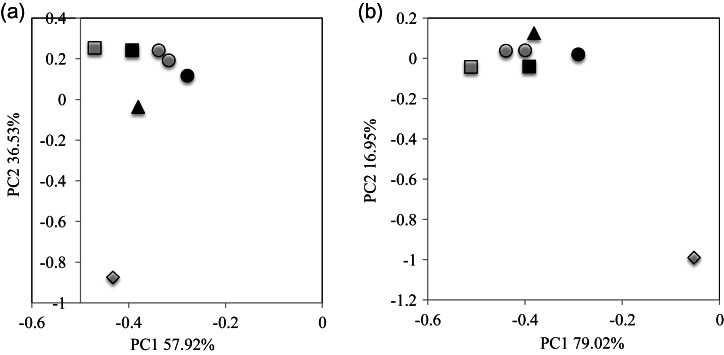
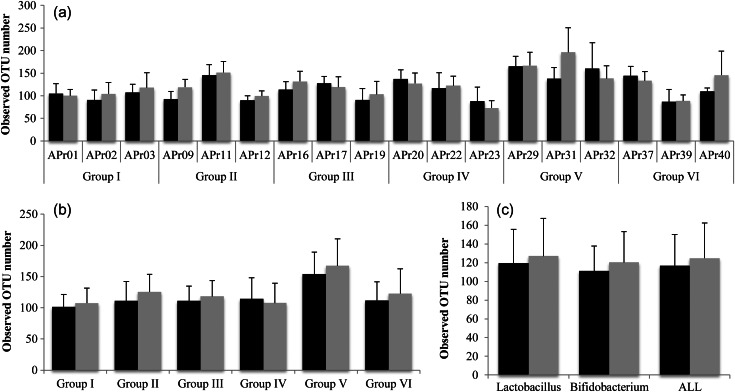
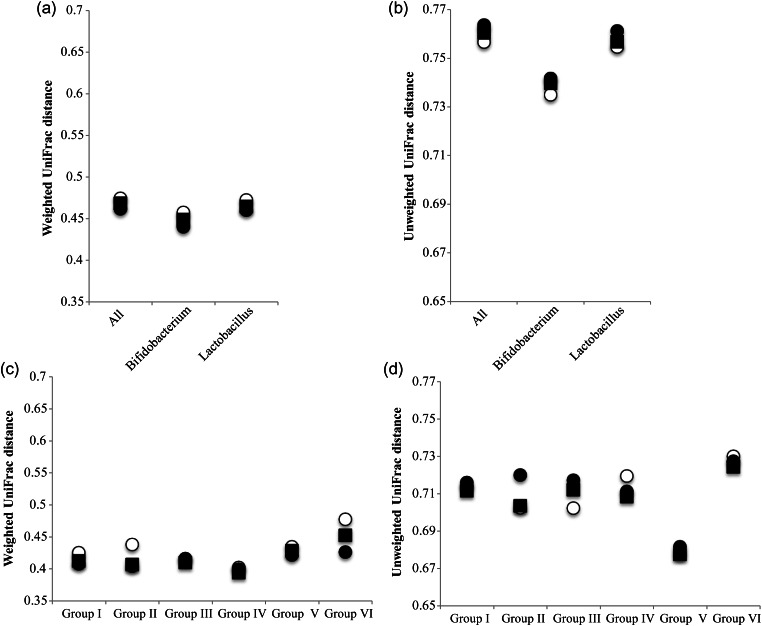
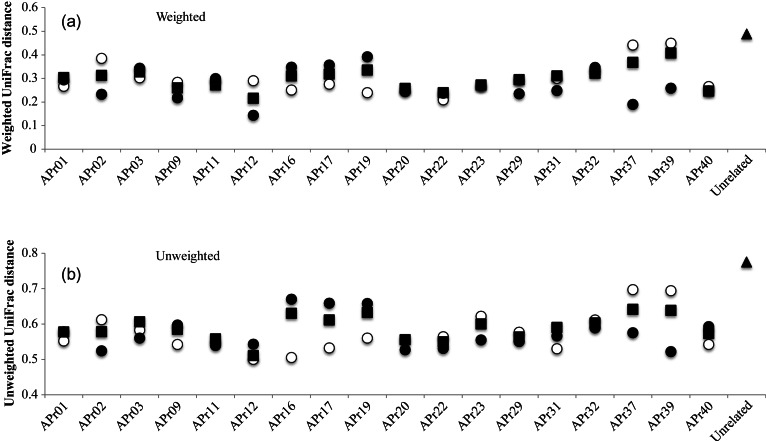
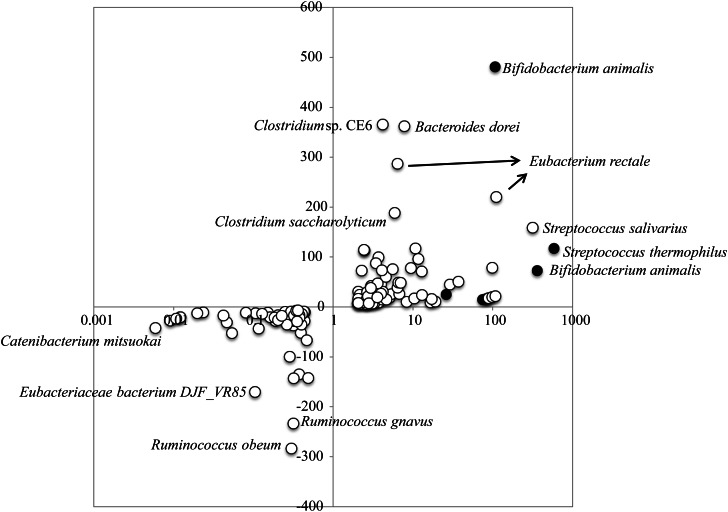
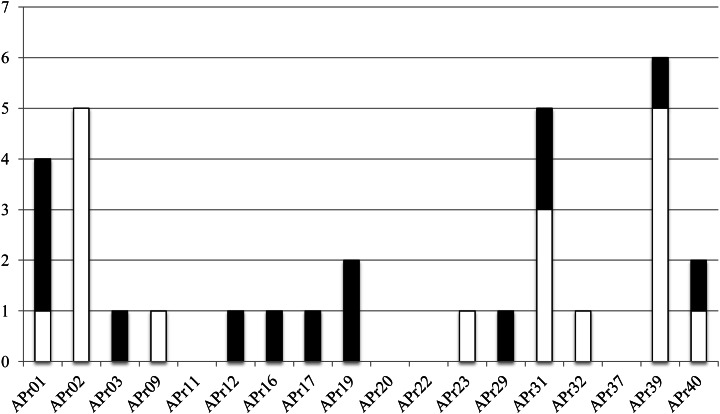
Probiotics are live microorganisms that potentially confer beneficial outcomes to host by modulating gut microbiota in the intestine. The aim of this study was to comprehensively investigate effects of probiotics on human intestinal microbiota using 454 pyrosequencing of bacterial 16S ribosomal RNA genes with an improved quantitative accuracy for evaluation of the bacterial composition. We obtained 158 faecal samples from 18 healthy adult Japanese who were subjected to intervention with 6 commercially available probiotics containing either Bifidobacterium or Lactobacillus strains. We then analysed and compared bacterial composition of the faecal samples collected before, during, and after probiotic intervention by Operational taxonomic units (OTUs) and UniFrac distances. The results showed no significant changes in the overall structure of gut microbiota in the samples with and without probiotic administration regardless of groups and types of the probiotics used. We noticed that 32 OTUs (2.7% of all analysed OTUs) assigned to the indigenous species showed a significant increase or decrease of ≥10-fold or a quantity difference in >150 reads on probiotic administration. Such OTUs were found to be individual specific and tend to be unevenly distributed in the subjects. These data, thus, suggest robustness of the gut microbiota composition in healthy adults on probiotic administration.
Keywords: 16S ribosomal RNA gene; gut microbiota; probiotics; pyrosequencing.
Figures
References
-
- Preidis G.A., Versalovic J. Targeting the human microbiome with antibiotics, probiotics, and prebiotics: gastroenterology enters the metagenomics era. Gastroenterology. 2009;136:2015–31. doi:10.1053/j.gastro.2009.01.072. - DOI - PMC - PubMed
-
- Patel R.M., Lin P.W. Developmental biology of gut-probiotic interaction. Gut Microbes. 2010;1:186–95. doi:10.4161/gmic.1.3.12484. - DOI - PMC - PubMed
-
- Gerritsen J., Smidt H., Rijkers G.T., de Vos W.M. Intestinal microbiota in human health and disease: the impact of probiotics. Genes Nutr. 2011;6:209–40. doi:10.1007/s12263-011-0229-7. - DOI - PMC - PubMed
-
- Sanders M.E., Heimbach J.T., Pot B., et al. Health claims substantiation for probiotic and prebiotic products. Gut Microbes. 2011;2:127–33. doi:10.4161/gmic.2.3.16174. - DOI - PubMed
-
- Aureli P., Capurso L., Castellazzi A.M., et al. Probiotics and health: an evidence-based review. Pharmacol. Res. 2011;63:366–76. doi:10.1016/j.phrs.2011.02.006. - DOI - PubMed
Publication types
MeSH terms
Substances
LinkOut - more resources
Full Text Sources
Other Literature Sources
