


Inotropic and lusitropic effects of calcitonin gene-related peptide in the heart
- PMID: 23585136
- PMCID: PMC3680720
- DOI: 10.1152/ajpheart.00874.2012
Inotropic and lusitropic effects of calcitonin gene-related peptide in the heart
Abstract
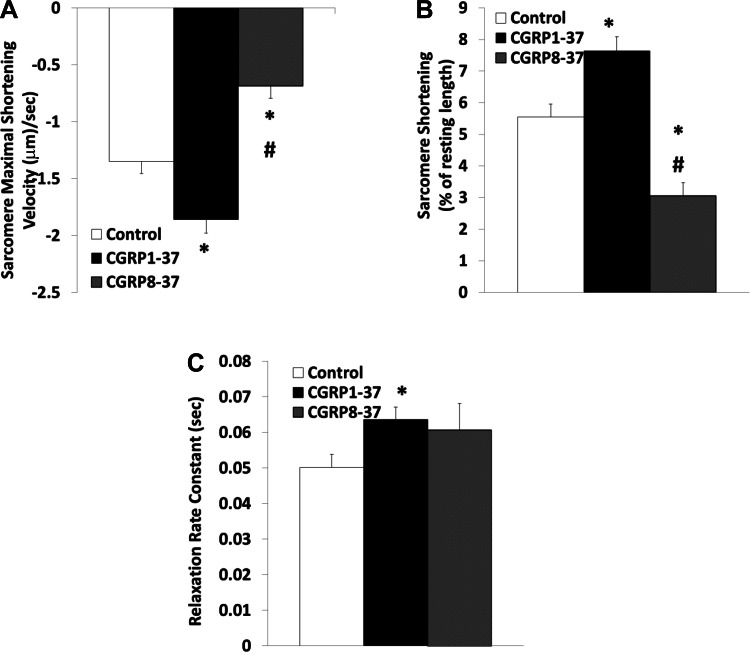
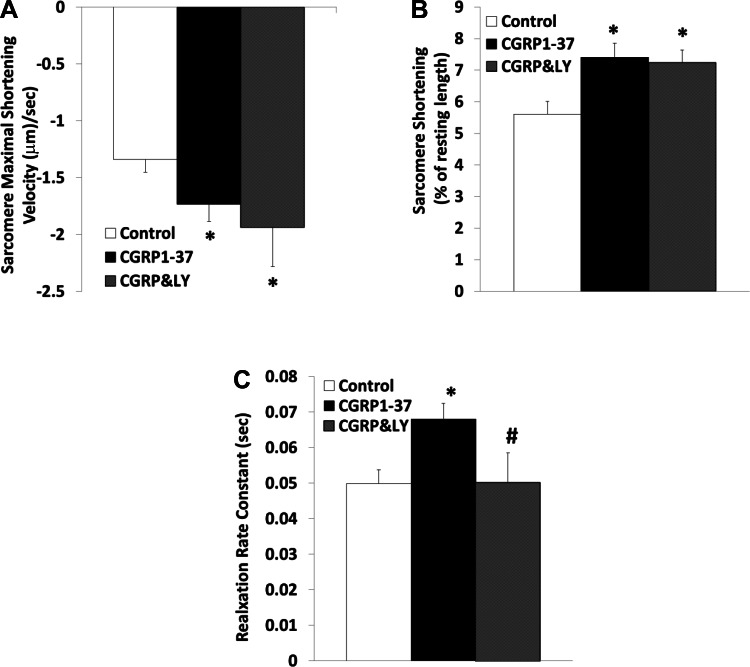
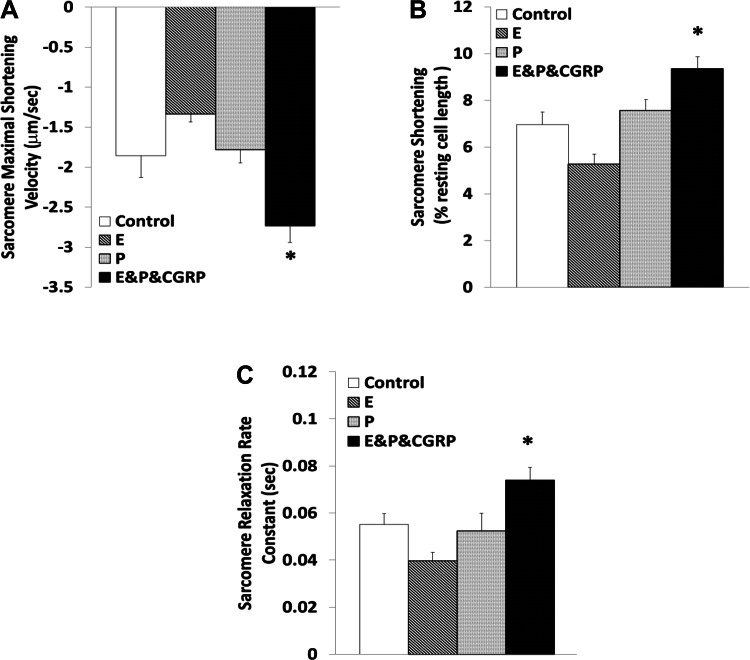
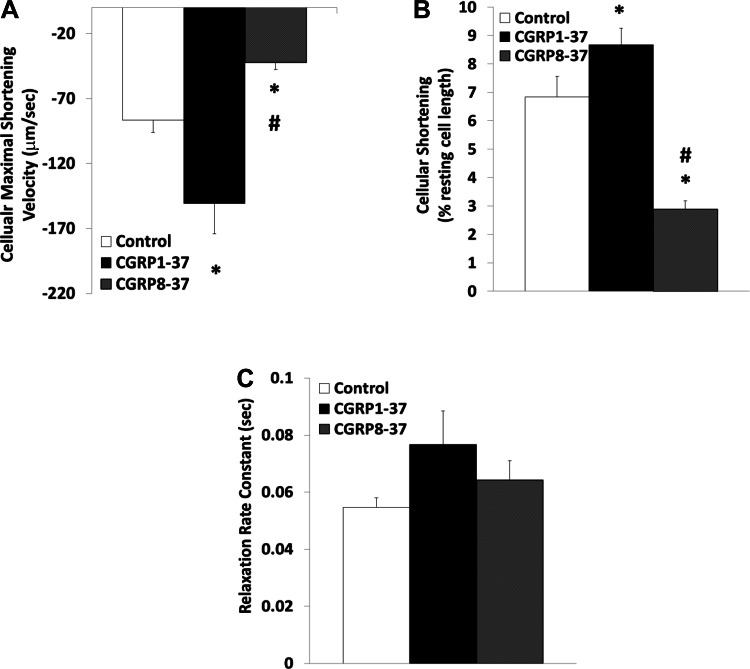
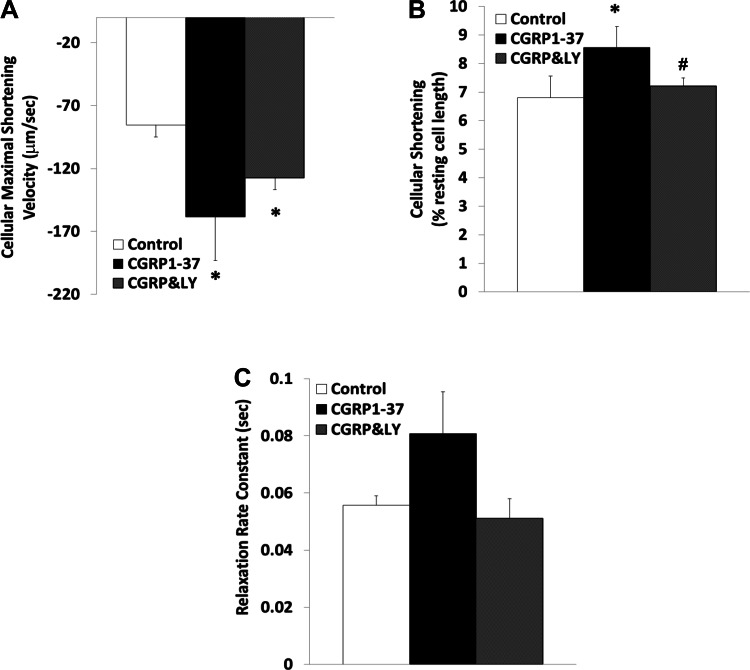
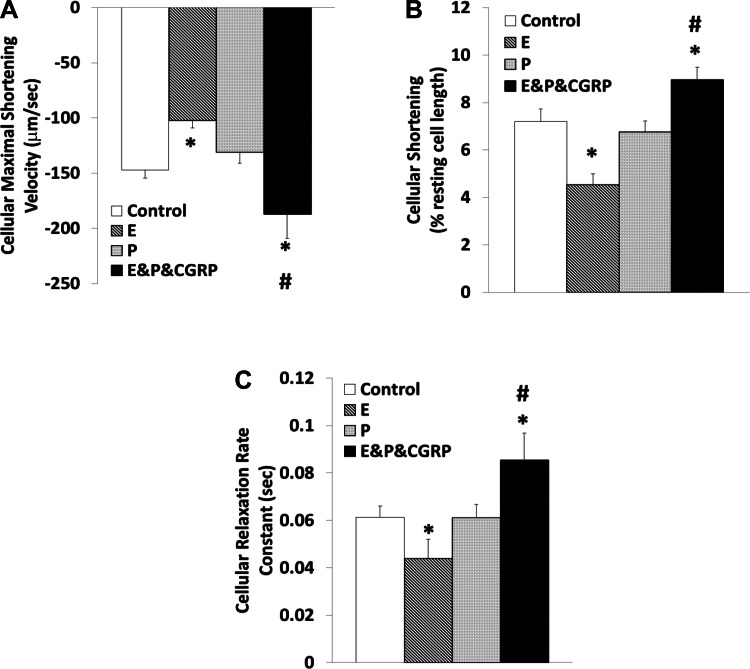
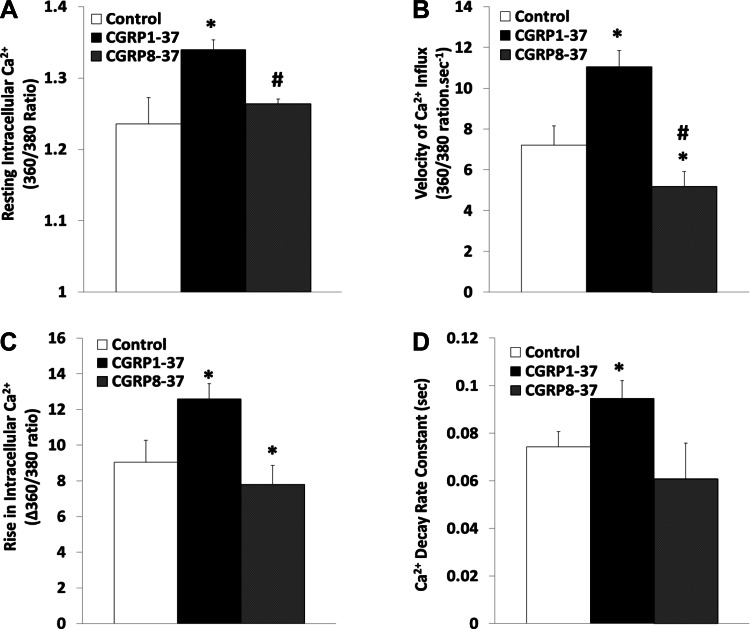
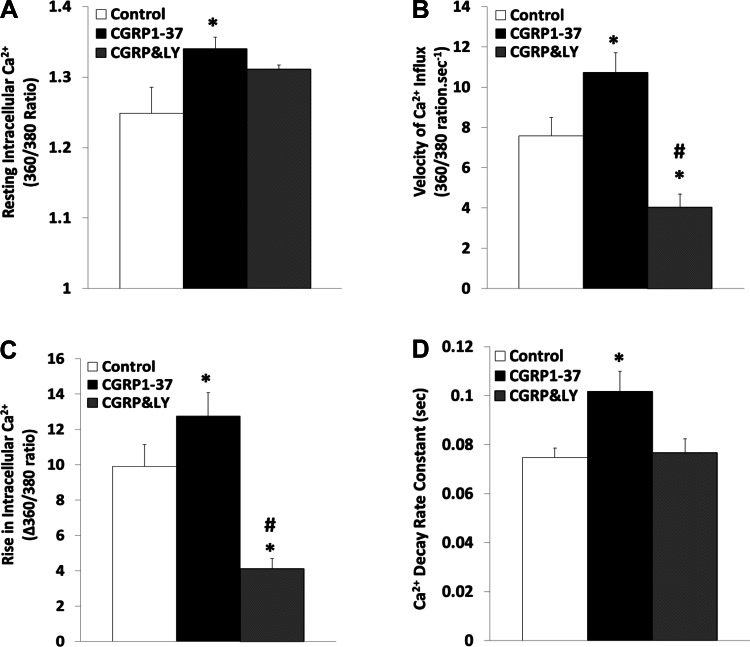
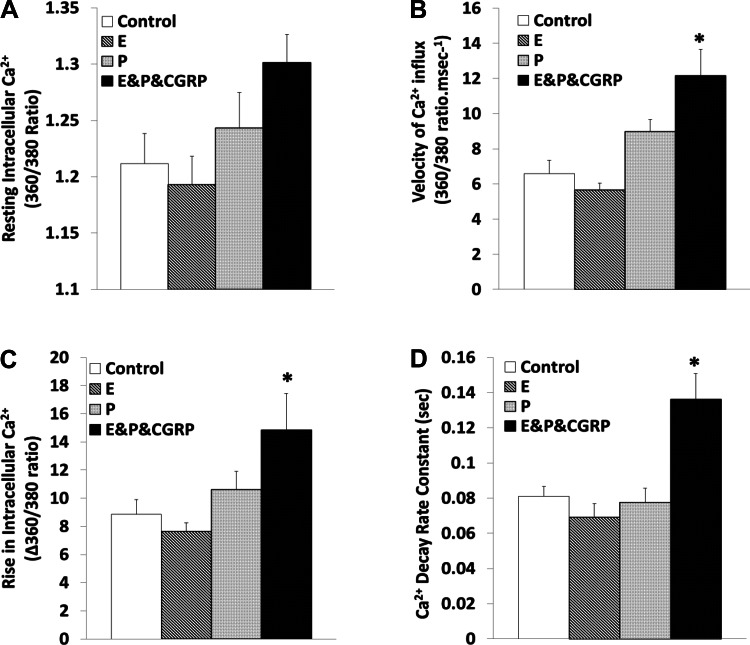
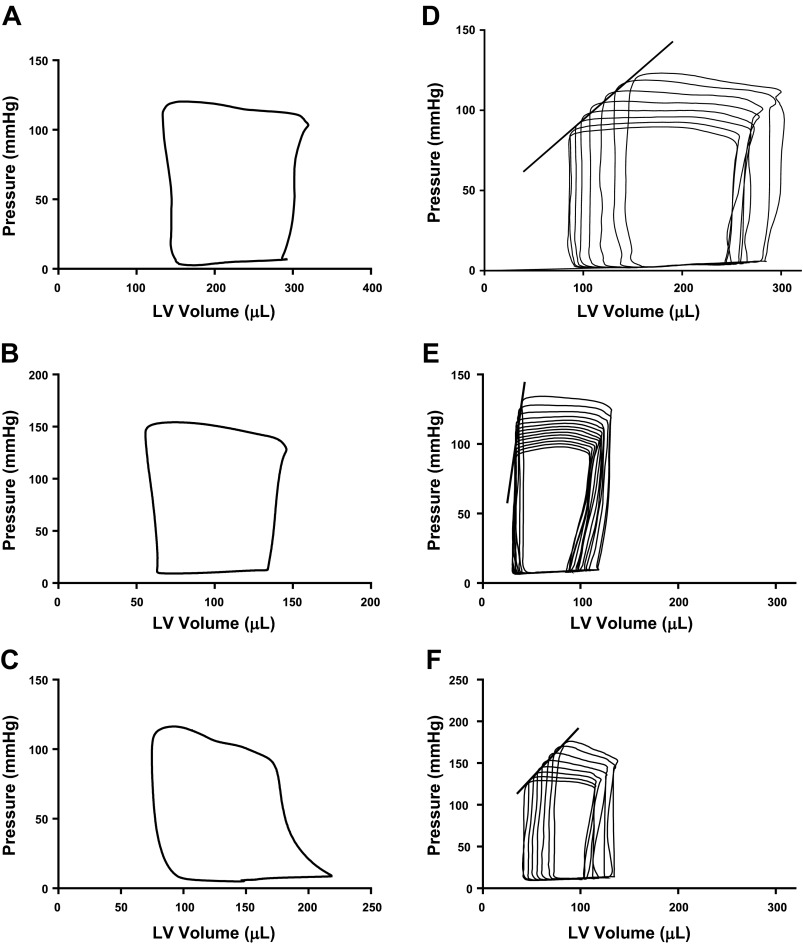
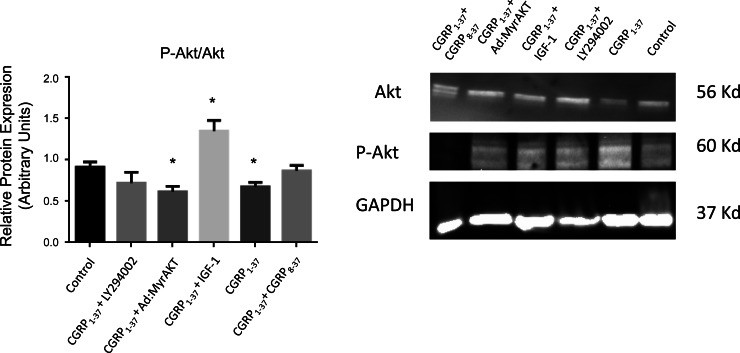
Previous studies have demonstrated positive-inotropic effects of calcitonin gene-related peptide (CGRP), but the mechanisms remain unclear. Therefore, two experiments were performed to determine the physiological correlates of the positive-inotropic effects of CGRP. Treatments designed to antagonize the effects of physiologically active CGRP₁₋₃₇ included posttreatment with CGRP₈₋₃₇ and pretreatment with LY-294002 (LY, an inhibitor of phosphatidylinositol 3-kinase), 17β-estradiol (E), and progesterone (P) were also used to modulate the effects of CGRP₁₋₃₇. Experiment 1 was in vitro studies on sarcomeres and cells of isolated adult rat cardiac myocytes. CGRP₁₋₃₇, alone and in combination with E and P, decreased sarcomere shortening velocities and increased shortening percentages, effects that were antagonized by CGRP₈₋₃₇, but not by LY. CGRP₁₋₃₇ increased resting intracellular calcium ion concentrations and Ca(2+) influxes, effects that were also antagonized by both CGRP₈₋₃₇ and LY. Experiment 2 was in vivo studies on left ventricular pressure-volume (PV) loops. CGRP₁₋₃₇ increased end-systolic pressure, ejection fraction, and velocities of contraction and relaxation while decreasing stroke volume, cardiac output, stroke work, PV area, and compliance. After partial occlusion of the vena cava, CGRP₁₋₃₇ increased the slope of the end-systolic PV relationship. CGRP₈₋₃₇ and LY attenuated most of the CGRP-induced changes. These findings suggest that CGRP-induced positive-inotropic effects may be increased by treatments with estradiol and progesterone and inhibited by LY. The physiological correlates of CGRP-induced positive inotropy observed in rat sarcomeres, cells, and intact hearts are likely to reveal novel mechanisms of heart failure in humans.
Keywords: PI3K; calcitonin gene-related peptide; cardiac; estrogen; progesterone.
Figures

References
-
- Alvin Z, Laurence GG, Coleman BR, Zhao A, Hajj-Moussa M, Haddad GE. Regulation of L-type inward calcium channel activity by captopril and angiotensin II via the phosphatidyl inositol 3-kinase pathway in cardiomyocytes from volume-overload hypertrophied rat hearts. Can J Physiol Pharmacol 89: 206–215, 2011 - PMC - PubMed
-
- Bell D, McDermott BJ. Calcitonin gene-related peptide stimulates a positive contractile response in rat ventricular cardiomyocytes. J Cardiovasc Pharmacol 23: 1011–1021, 1994 - PubMed
-
- Bell D, Schlnter KD, Zhou XJ, McDermott BJ, Piper MH. Hypertrophic effects of calcitonin gene-related peptide (CGRP) and amylin on adult mammalian ventricular cardiomyocytes. J Mol Cell Cardiol 27: 2433–2443, 1995 - PubMed
-
- Bell D, Tamamori M, Marumo F, Hiroe M, McDermott BJ, Ito H. Calcitonin gene-related peptide (CGRP) increases cell surface area and induces expression of skeletal [alpha]-actin and ANP mRNA in hypertrophying neonatal cardiomyocytes. Regul Pept 71: 1–7, 1997 - PubMed
-
- Bick RJ, Poindexter BJ, Davis RA, Schiess MC. Determination of the site of action of calcitonin gene-related peptide in the alteration of intracellular calcium levels in adult and neonatal rodent myocytes. Peptides 26: 2231–2238, 2005 - PubMed
Publication types
MeSH terms
Substances
Grants and funding
LinkOut - more resources
Full Text Sources
Other Literature Sources
Research Materials
Miscellaneous
