


Fluorescence-based methods for detecting caries lesions: systematic review, meta-analysis and sources of heterogeneity
- PMID: 23593215
- PMCID: PMC3617206
- DOI: 10.1371/journal.pone.0060421
Fluorescence-based methods for detecting caries lesions: systematic review, meta-analysis and sources of heterogeneity
Abstract
Background: Fluorescence-based methods have been proposed to aid caries lesion detection. Summarizing and analysing findings of studies about fluorescence-based methods could clarify their real benefits.
Objective: We aimed to perform a comprehensive systematic review and meta-analysis to evaluate the accuracy of fluorescence-based methods in detecting caries lesions.
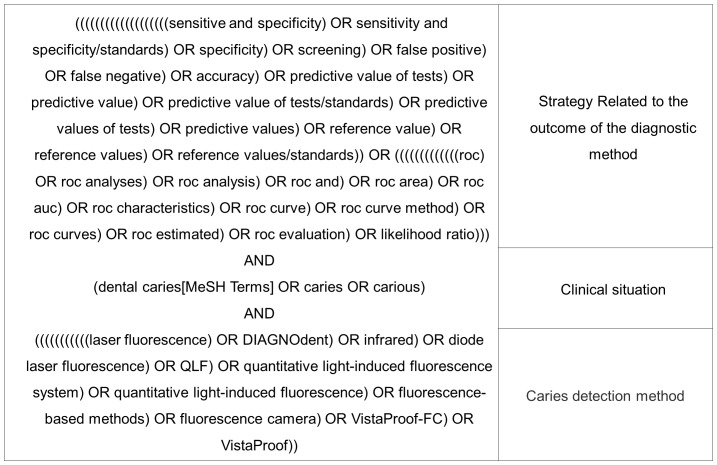
Data source: Two independent reviewers searched PubMed, Embase and Scopus through June 2012 to identify papers/articles published. Other sources were checked to identify non-published literature. STUDY ELIGIBILITY CRITERIA, PARTICIPANTS AND DIAGNOSTIC METHODS: The eligibility criteria were studies that: (1) have assessed the accuracy of fluorescence-based methods of detecting caries lesions on occlusal, approximal or smooth surfaces, in both primary or permanent human teeth, in the laboratory or clinical setting; (2) have used a reference standard; and (3) have reported sufficient data relating to the sample size and the accuracy of methods.
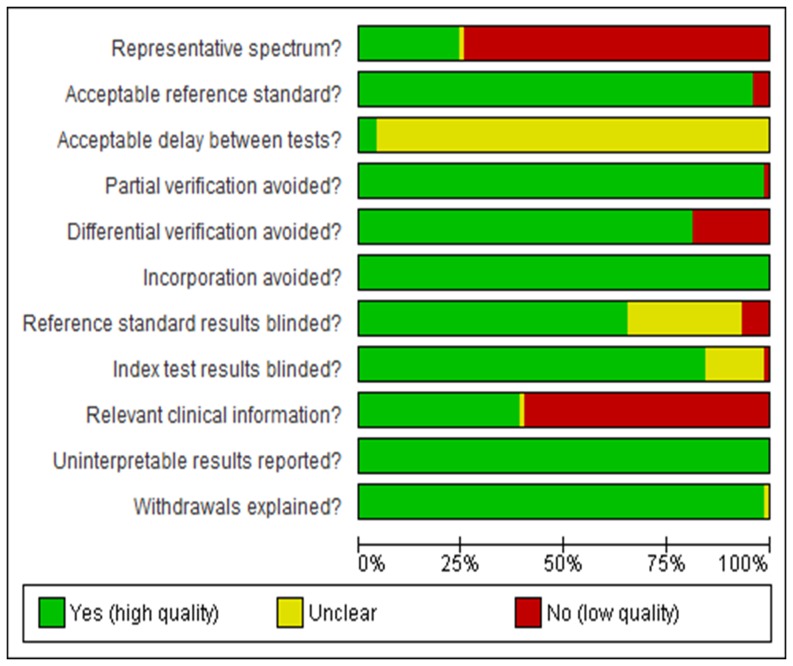
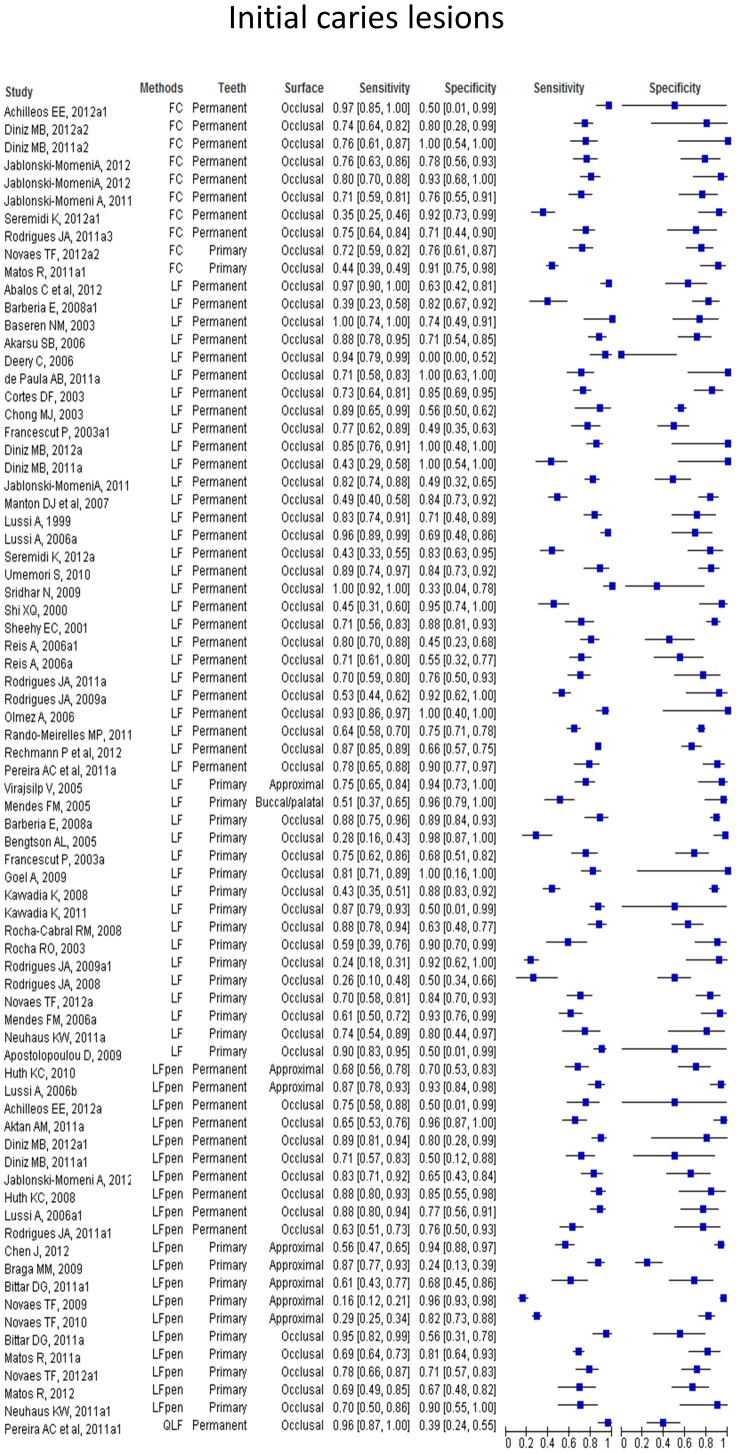
Study appraisal and synthesis methods: A diagnostic 2×2 table was extracted from included studies to calculate the pooled sensitivity, specificity and overall accuracy parameters (Diagnostic Odds Ratio and Summary Receiver-Operating curve). The analyses were performed separately for each method and different characteristics of the studies. The quality of the studies and heterogeneity were also evaluated.
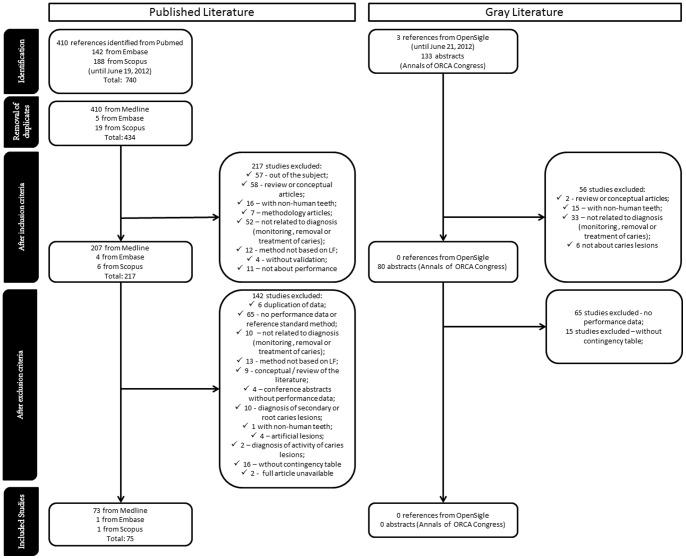
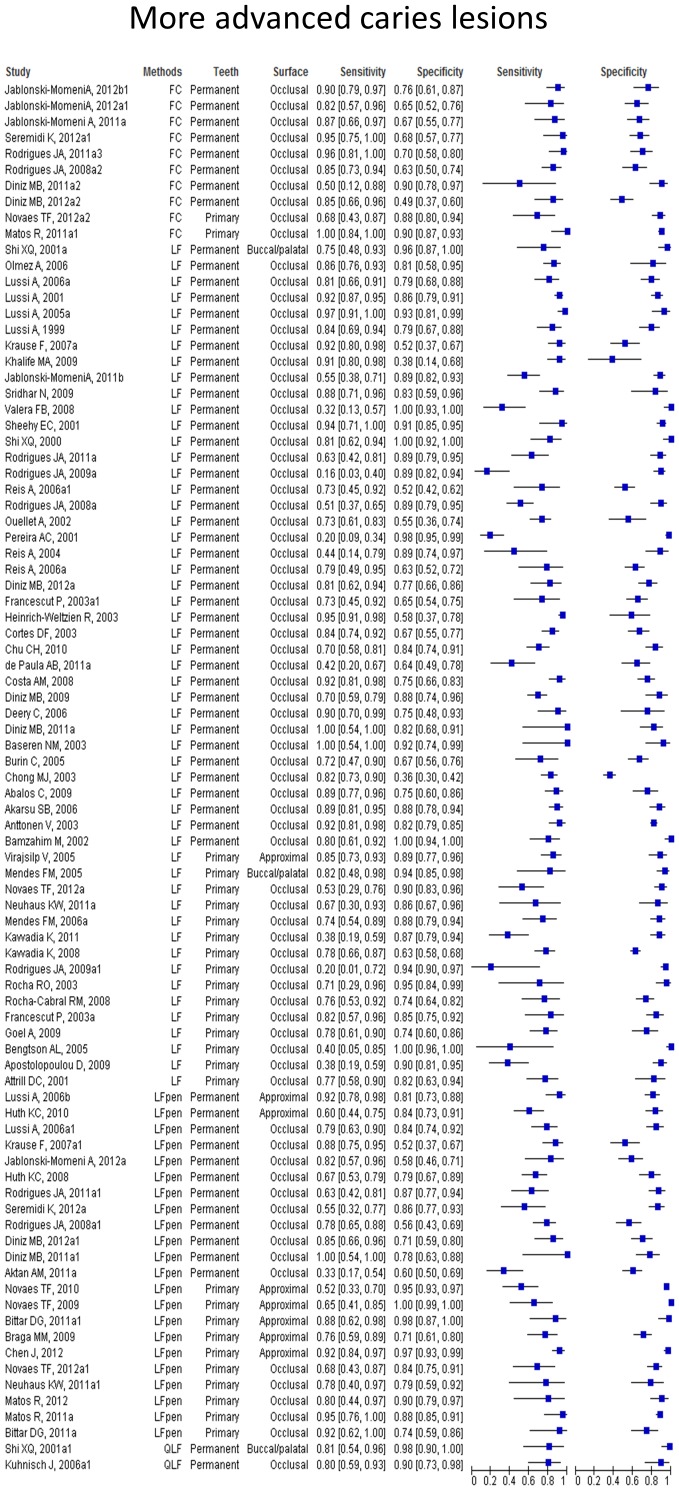
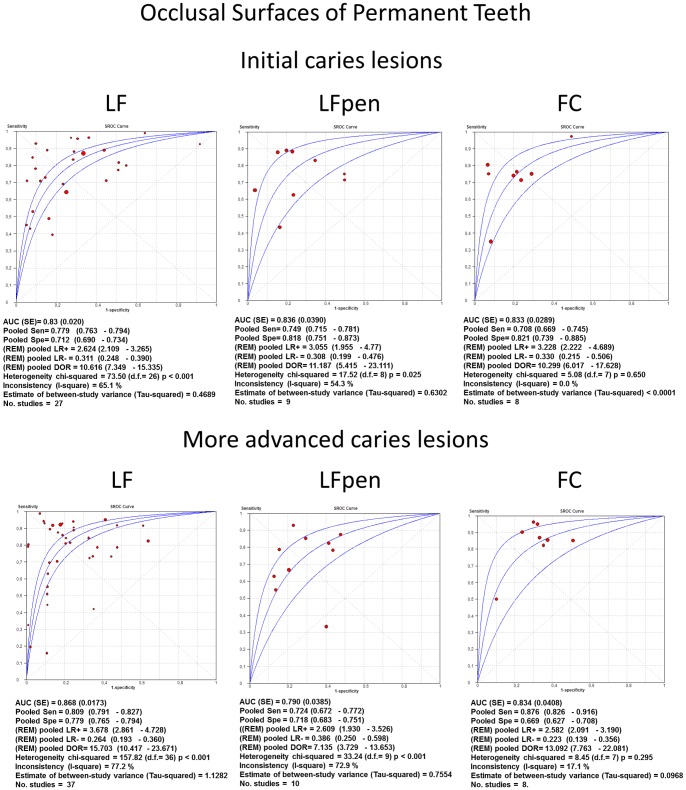
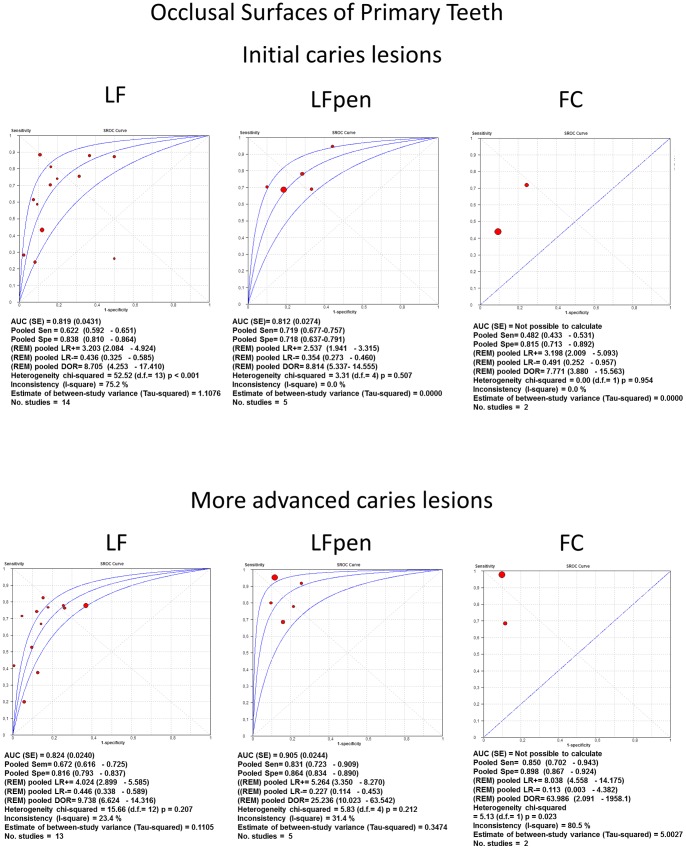
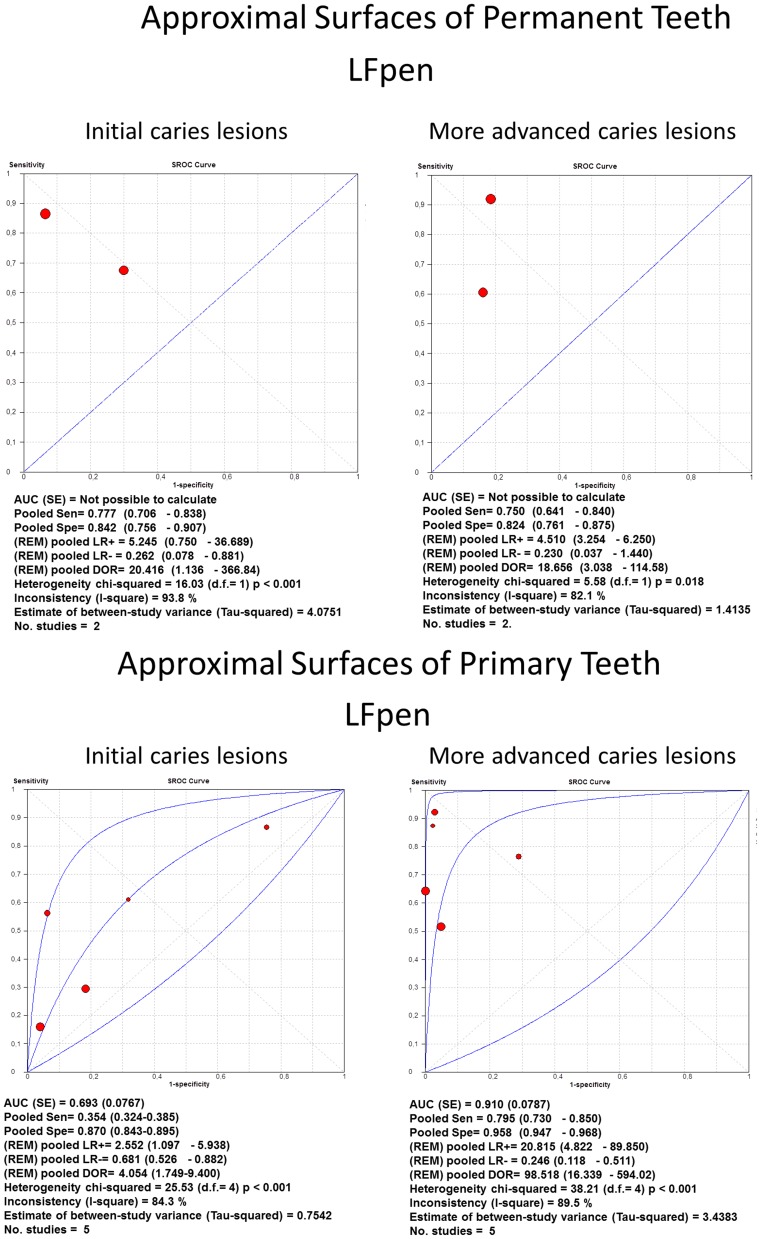
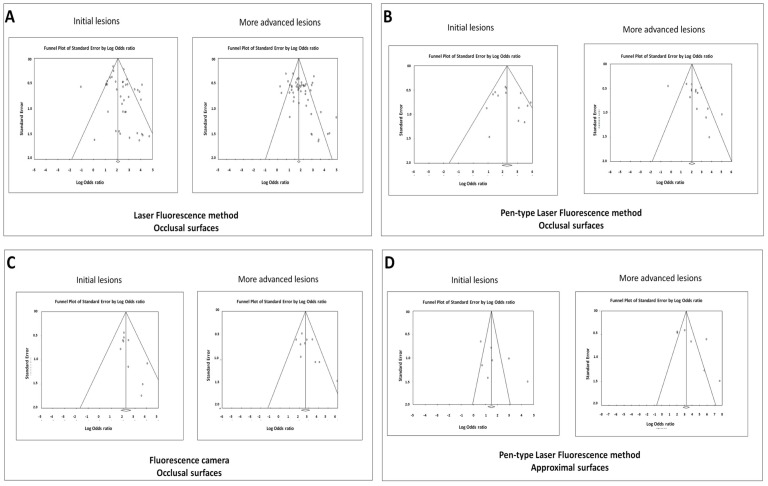
Results: Seventy five studies met the inclusion criteria from the 434 articles initially identified. The search of the grey or non-published literature did not identify any further studies. In general, the analysis demonstrated that the fluorescence-based method tend to have similar accuracy for all types of teeth, dental surfaces or settings. There was a trend of better performance of fluorescence methods in detecting more advanced caries lesions. We also observed moderate to high heterogeneity and evidenced publication bias.
Conclusions: Fluorescence-based devices have similar overall performance; however, better accuracy in detecting more advanced caries lesions has been observed.
Conflict of interest statement
Figures
References
-
- Bonecker M, Ardenghi TM, Oliveira LB, Sheiham A, Marcenes W (2010) Trends in dental caries in 1- to 4-year-old children in a Brazilian city between 1997 and 2008. Int J Paediatr Dent 20: 125–131. - PubMed
-
- Ekstrand KR (2004) Improving clinical visual detection–potential for caries clinical trials. J Dent Res 83 Spec No C: C67–71. - PubMed
-
- Nyvad B (2004) Diagnosis versus detection of caries. Caries Res 38: 192–198. - PubMed
-
- Braga MM, Mendes FM, Ekstrand KR (2010) Detection activity assessment and diagnosis of dental caries lesions. Dent Clin North Am 54: 479–493. - PubMed
-
- Pitts NB, Boyles J, Nugent ZJ, Thomas N, Pine CM (2003) The dental caries experience of 5-year-old children in England and Wales. Surveys co-ordinated by the British Association for the Study of Community Dentistry in 2001/2002. Community Dent Health 20: 45–54. - PubMed
Publication types
MeSH terms
LinkOut - more resources
Full Text Sources
Other Literature Sources
Medical
Miscellaneous
