


Molecular mechanisms underlying RB protein function
- PMID: 23594950
- PMCID: PMC4754300
- DOI: 10.1038/nrm3567
Molecular mechanisms underlying RB protein function
Abstract
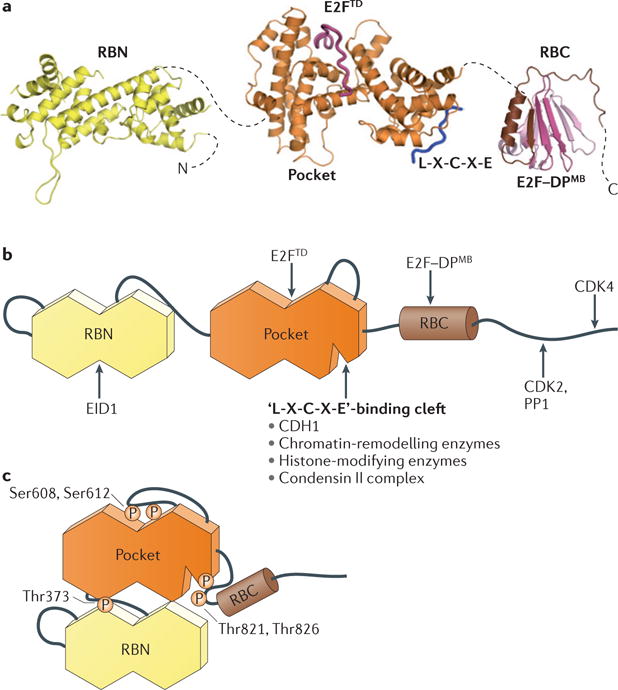
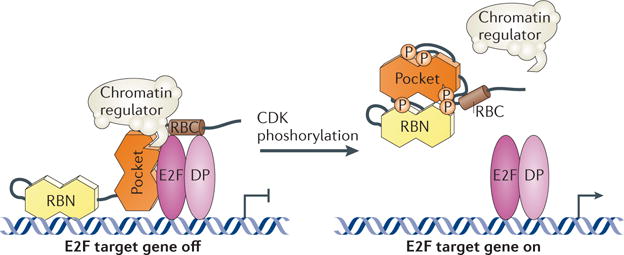
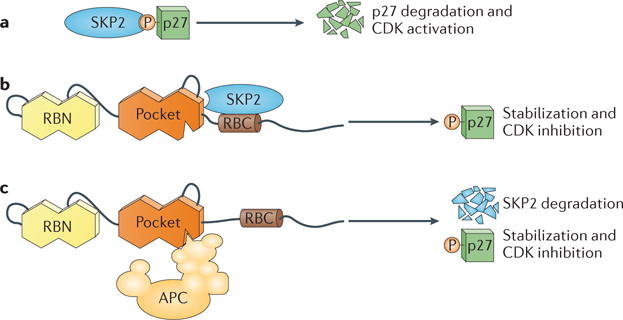
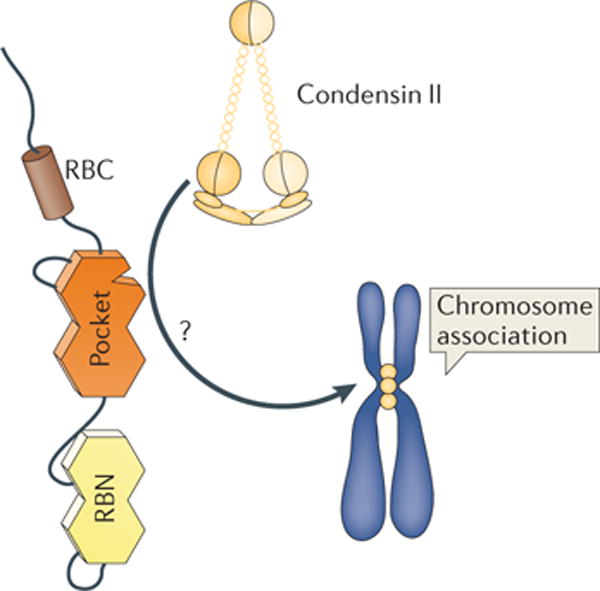
Inactivation of the RB protein is one of the most fundamental events in cancer. Coming to a molecular understanding of its function in normal cells and how it impedes cancer development has been challenging. Historically, the ability of RB to regulate the cell cycle placed it in a central role in proliferative control, and research focused on RB regulation of the E2F family of transcription factors. Remarkably, several recent studies have found additional tumour-suppressor functions of RB, including alternative roles in the cell cycle, maintenance of genome stability and apoptosis. These advances and new structural studies are combining to define the multifunctionality of RB.
Conflict of interest statement
The authors declare no competing financial interests.
Figures
References
-
- Friend SH, et al. A human DNA segment with properties of the gene that predisposes to retinoblastoma and osteosarcoma. Nature. 1986;323:643–646. - PubMed
-
- Classon M, Harlow E. The retinoblastoma tumour suppressor in development and cancer. Nature Rev Cancer. 2002;2:910–917. - PubMed
-
- Sherr CJ, McCormick F. The RB and p53 pathways in cancer. Cancer Cell. 2002;2:103–112. - PubMed
-
- van den Heuvel S, Dyson NJ. Conserved functions of the pRB and E2F families. Nature Rev Mol Cell Biol. 2008;9:713–724. - PubMed
Publication types
MeSH terms
Substances
Associated data
- Actions
- Actions
- Actions
- Actions
Grants and funding
LinkOut - more resources
Full Text Sources
Other Literature Sources
