


Glycopolymer probes of signal transduction
- PMID: 23595539
- PMCID: PMC3808984
- DOI: 10.1039/c3cs60097a
Glycopolymer probes of signal transduction
Abstract
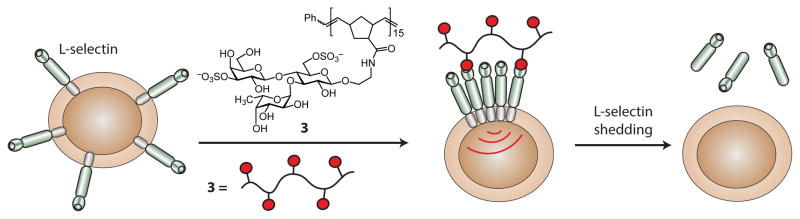
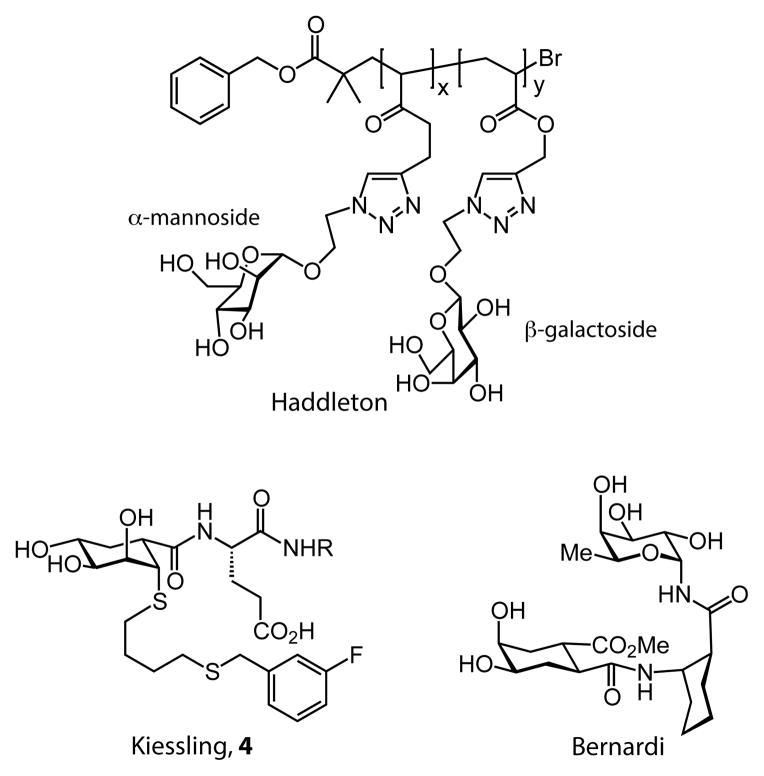
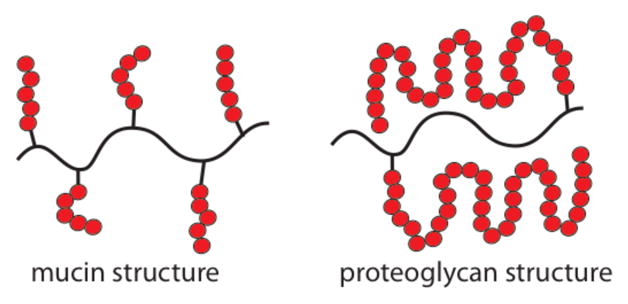
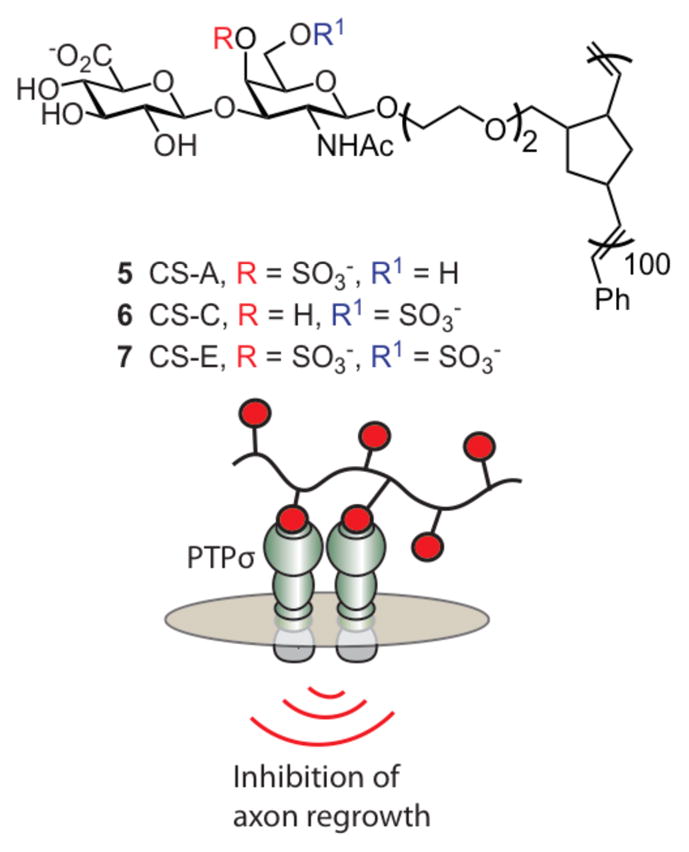
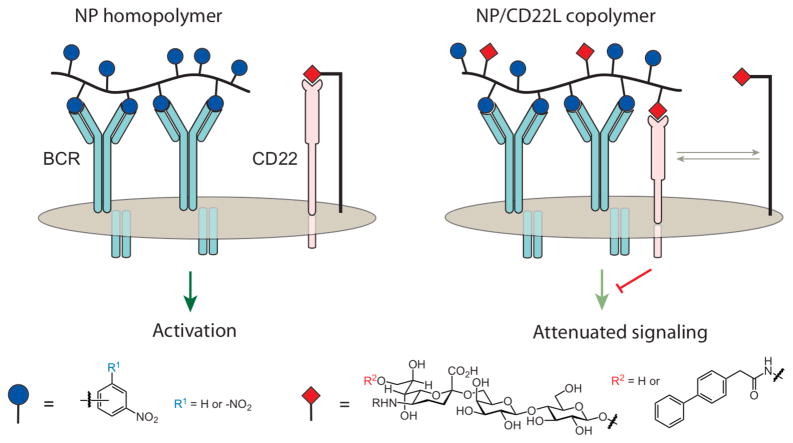
Glycans are key participants in biological processes ranging from reproduction to cellular communication to infection. Revealing glycan roles and the underlying molecular mechanisms by which glycans manifest their function requires access to glycan derivatives that vary systematically. To this end, glycopolymers (polymers bearing pendant carbohydrates) have emerged as valuable glycan analogs. Because glycopolymers can readily be synthesized, their overall shape can be varied, and they can be altered systematically to dissect the structural features that underpin their activities. This review provides examples in which glycopolymers have been used to effect carbohydrate-mediated signal transduction. Our objective is to illustrate how these powerful tools can reveal the molecular mechanisms that underlie carbohydrate-mediated signal transduction.
Figures
References
-
- Ito S. Philos Trans R Soc Lond B Biol Sci. 1974;268:55–66. - PubMed
-
- Costerton JW, Irvin RT, Cheng KJ. Annu Rev Microbiol. 1981;35:299–324. - PubMed
-
- Schröter S, Osterhoff C, McArdle W, Ivell R. Hum Reprod Update. 1999;5:302–313. - PubMed
-
- Pang PC, Chiu PCN, Lee CL, Chang LY, Panico M, Morris HR, Haslam SM, Khoo KH, Clark GF, Yeung WSB, Dell A. Science. 2011;333:1761–1764. - PubMed
Publication types
MeSH terms
Substances
Grants and funding
LinkOut - more resources
Full Text Sources
Other Literature Sources
