Heart failure epidemiology: European perspective
- PMID: 23597298
- PMCID: PMC3682396
- DOI: 10.2174/1573403x11309020005
Heart failure epidemiology: European perspective
Abstract
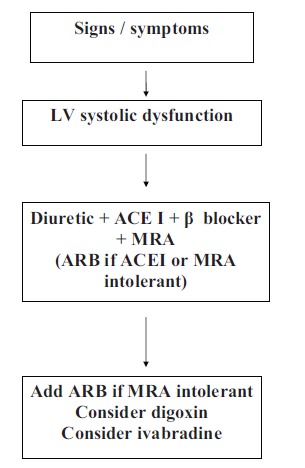
Heart failure poses an increasing problem for global healthcare systems. The epidemiological data which has been accrued over the last thirty years has predominantly been accumulated from experience within North America and Europe. Initial large cohort, prospective longitudinal studies produced the first publications; however latterly the focus has shifted onto epidemiological data governing hospitalisation and mortality. The emphasis behind this shift has been the resource implications with regards to repetitive, costly and prolonged hospitalisation. The European experience in heart failure, though similar to North America has recently demonstrated differences in hospitalisation which may underlie the differences between healthcare system configuration. Heart failure however remains an increasing global problem and the endpoint of a variety of cardiovascular diseases. Allied with the fact of increasingly elderly populations and prior data demonstrating a steep rise in prevalent cases within more elderly populations, it is likely that the increasing burden of disease will continue to pose challenges for modern healthcare. Despite the predicted increase in the number of patients affected by heart failure, over the last thirty years, a clear management algorithm has evolved for the use of pharmacotherapies (neuro-hormonal antagonists), device based therapies (Implantable Cardioverting Defibrillator (ICD) and Cardiac Resynchronisation Therapy (CRT)) and mechanical therapies including left ventricular assist devices and cardiac transplantation. Though the management of such patients has been clearly delineated in national and international guidelines, the underuse of all available and appropriate therapies remains a significant problem. When comparing various epidemiological studies from different settings and timepoints, it should be remembered that rates of prevalence and incidence may vary depending upon the definition used, methods of accumulating information (with the possibility of bias) and the chosen cut point of defining left ventricular systolic dysfunction (LVSD).
Figures
References
-
- McMurray JJ, Adamopoulos S, Anker SD, et al. ESC Guidelines for the diagnosis and treatment of acute and chronic heart failure 2012: The Task Force for the Diagnosis and Treatment of Acute and Chronic Heart Failure 2012 of the European Society of Cardiology. Developed in collaboration with the Heart Failure Association (HFA) of the ESC. Eur Heart J. 2012;33:1787–847. - PubMed
-
- McKee PA, Castelli WP, McNamara PM, et al. The natural history of congestive heart failure: the Framingham study. N Engl J Med. 1971;285:1441–6. - PubMed
-
- Senni M, Tribouilloy CM, Rodeheffer RJ, et al. Congestive heart failure in the community: a study of all incident cases in Olmsted County Minnesota in 1991. Circulation. 1998;98:2282–9. - PubMed
-
- Eriksson H, Svardsudd K, Larsson B, et al. Risk factors for heart failure in the general population: the study of men born in 1913. Eur Heart J. 1989;10:647–56. - PubMed
-
- Cowie MR, Wood DA, Coats AJ, et al. Incidence and aetiology of heart failure, a population-based study. Eur Heart J. 1999;20:421–8. - PubMed
Publication types
MeSH terms
LinkOut - more resources
Full Text Sources
Other Literature Sources
Medical
Research Materials