


Aflatoxin B1-induced hepatocellular carcinoma in developing countries: Geographical distribution, mechanism of action and prevention
- PMID: 23599745
- PMCID: PMC3629261
- DOI: 10.3892/ol.2013.1169
Aflatoxin B1-induced hepatocellular carcinoma in developing countries: Geographical distribution, mechanism of action and prevention
Abstract
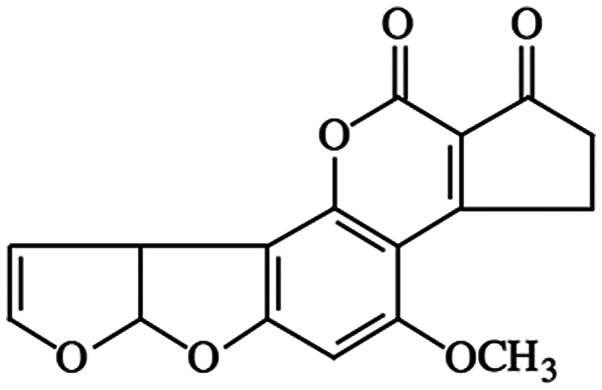
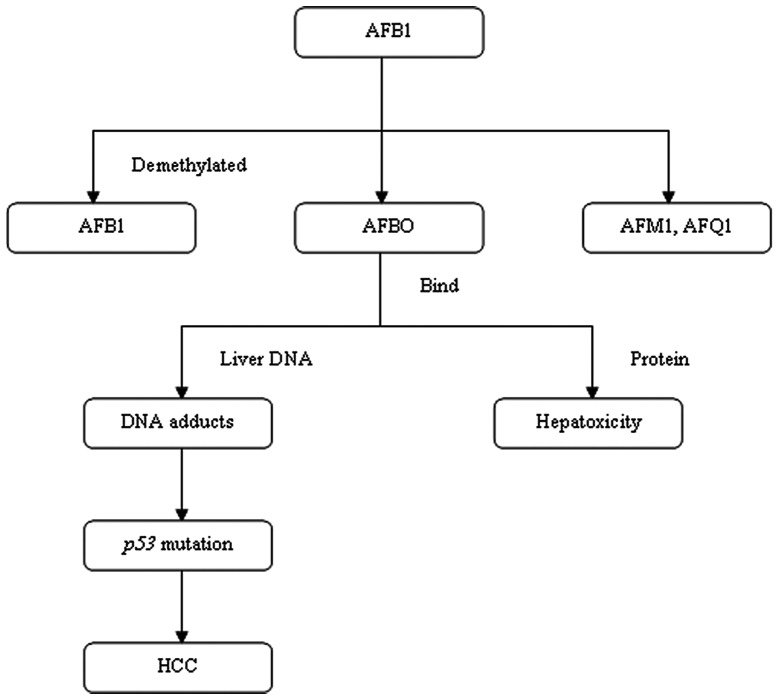
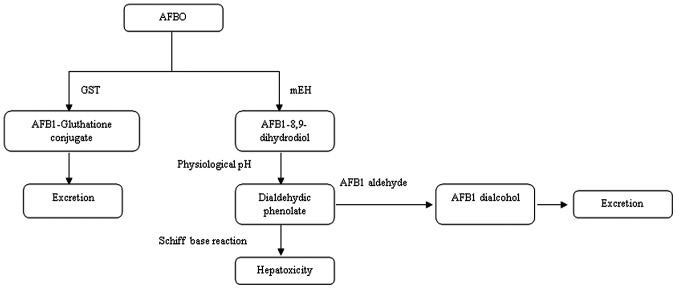
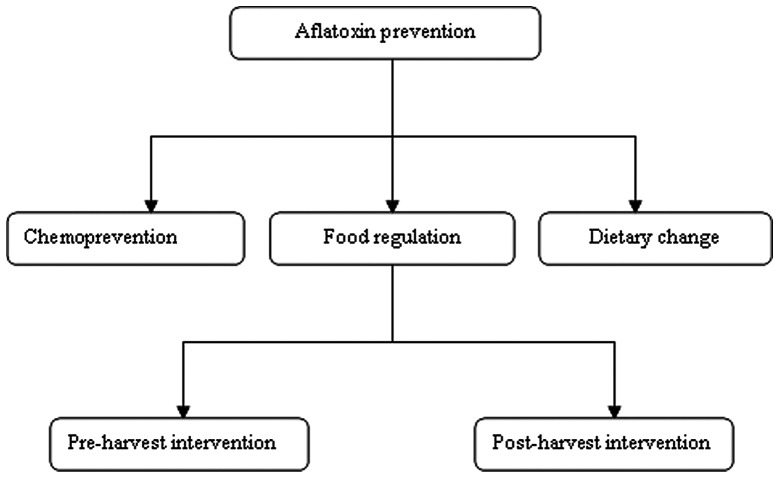
Hepatocellular carcinoma (HCC) is the most well-known primary liver malignancy worldwide. Its incidence is rising at alarming rates and has become a public concern globally. It is more frequent in developing countries than in industrialized countries with respect to geographical variation, ethnic disparities and socioeconomic status. Dietary exposure to aflatoxins is among the major HCC risk factors. Aflatoxin B1, which is a genotoxic hepatocarcinogen, which presumptively causes cancer by inducing DNA adducts leading to genetic changes in target liver cells. AFB1 is metabolized by cytochrome-P450 enzymes to the reactive intermediate AFB1-8, 9 epoxide (AFBO) which binds to liver cell DNA, resulting in DNA adducts. DNA adducts interact with the guanine bases of liver cell DNA and cause a mutational effect in the P53 tumor suppressor gene at the codon 249 hotspot in exon 7, which may lead to HCC. Approximately 4.5 billion of the world's population is exposed to aflatoxin-contaminated food, particularly in low-income countries. Prevention involves treating crops that are susceptible to fungal contamination, appropriate handling of foodstuffs and the use of chemopreventive intervention. Moreover, an integrated network collaboration of different sectors, including public health, agricultural departments and mass media, is required to ensure effective food regulation systems so as to minimize the contamination of food by aflatoxins.
Keywords: DNA adducts; aflatoxin B1; chemopreventive agents; dietary changes; hepatocellular carcinoma; interventions.
Figures
References
-
- Llovet JM, Burroughs A, Bruix J. Hepatocellular carcinoma. Lancet. 2003;362:1907–1917. - PubMed
-
- Lord R, Suddle A, Ross PJ. Emerging strategies in the treatment of advanced hepatocellular carcinoma: the role of targeted therapies. Int J Clin Pract. 2011;65:182–188. - PubMed
-
- El-Serag HB, Rudolph KL. Hepatocellular carcinoma: epidemiology and molecular carcinogenesis. Gastroenterology. 2007;132:2557–2576. - PubMed
-
- Ferlay J, Shin HR, Bray F, Forman D, Mathers C, Parkin DM. Estimates of worldwide burden of cancer in 2008: GLOBOCAN 2008. Int J Cancer. 2010;127:2893–2917. - PubMed
-
- El-Serag HB, Mason AC. Rising incidence of hepatocellular carcinoma in the United States. N Engl J Med. 1999;340:745–750. - PubMed
LinkOut - more resources
Full Text Sources
Other Literature Sources
Research Materials
Miscellaneous