


Role of mTOR inhibition in preventing resistance and restoring sensitivity to hormone-targeted and HER2-targeted therapies in breast cancer
- PMID: 23604238
- PMCID: PMC3774138
Role of mTOR inhibition in preventing resistance and restoring sensitivity to hormone-targeted and HER2-targeted therapies in breast cancer
Abstract
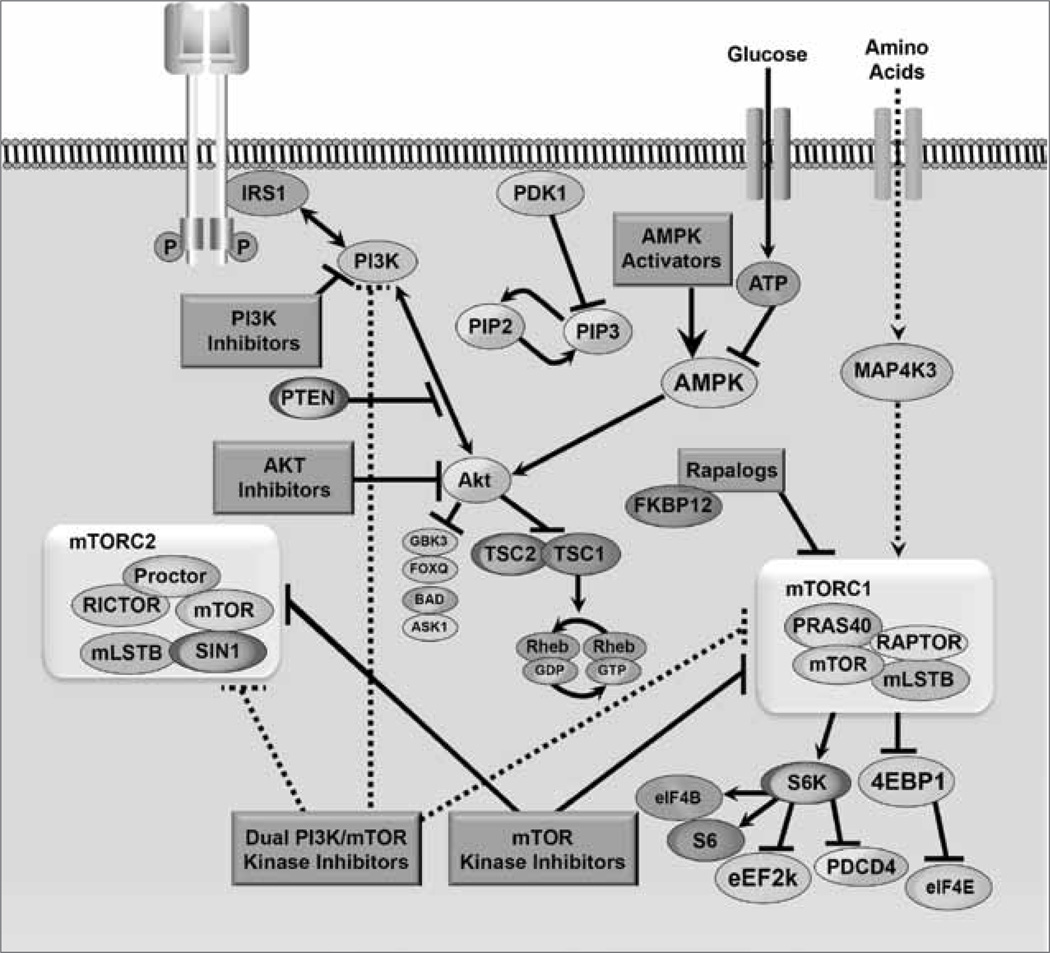
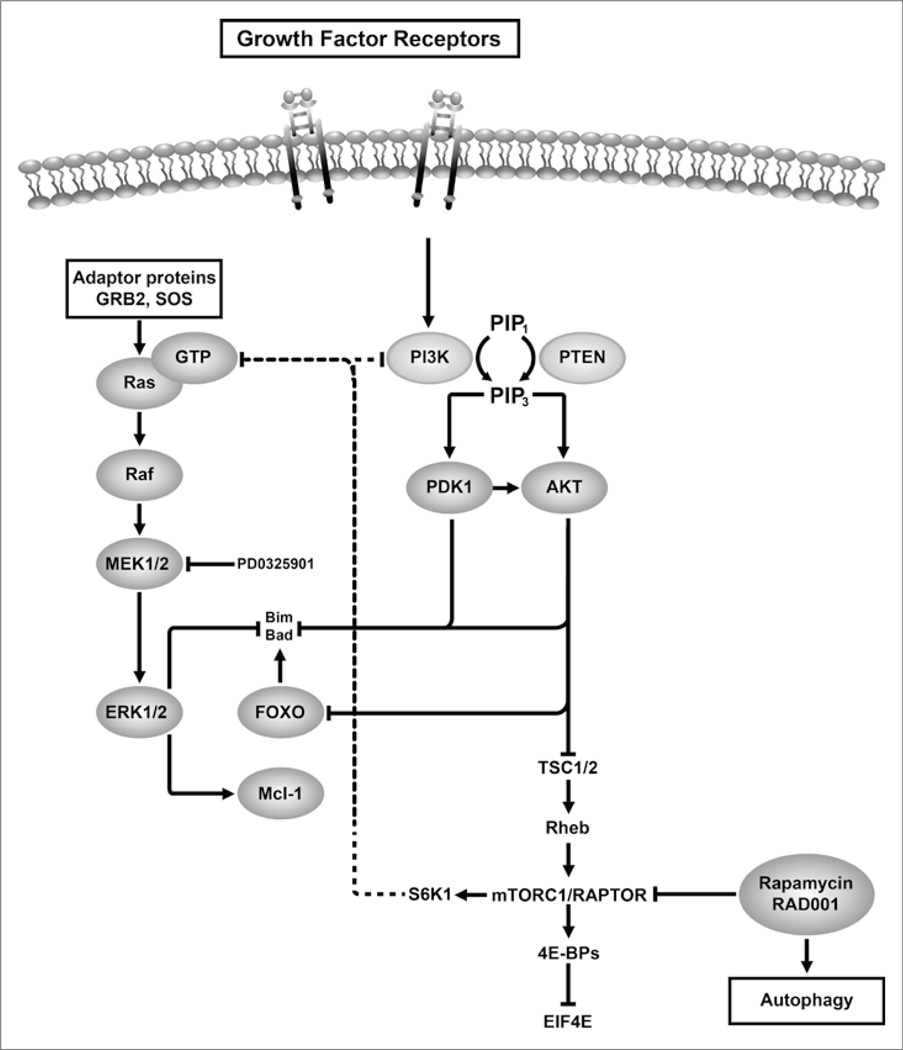
Even with hormone-targeted and human epidermal growth factor receptor 2 (HER2)-targeted anticancer agents, intrinsic resistance or acquired resistance are common occurrences in estrogen receptor-positive and HER2-positive breast cancers, respectively. Potential mechanisms for resistance to targeted agents include steric inhibition imposed by other cellular elements, molecular changes in the target receptor, alterations in the regulation of downstream signaling components, compensatory cross-talk with other signaling pathways, and pharmacogenetic alterations in the host. Evidence suggests that both hormone receptor-positive tumors and HER2-overexpressing tumors use the phosphoinositide 3-kinase/Akt/ mammalian target of rapamycin (mTOR) pathway to escape control of antihormone and anti-HER2 therapies. The combination of mTOR inhibitors with hormone-targeted or HER2-targeted therapies appears to be a promising strategy for overcoming resistant disease and preventing the development of resistance.
Figures
References
-
- Perou CM, Sorlie T, Eisen MB, et al. Molecular portraits of human breast tumours. Nature. 2000;406:747–752. - PubMed
-
- Hurvitz SA, Pietras RJ. Rational management of endocrine resistance in breast cancer: a comprehensive review of estrogen receptor biology, treatment options, and future directions. Cancer. 2008;113:2385–2397. - PubMed
-
- Arteaga CL, Sliwkowski MX, Osborne CK, Perez EA, Puglisi F, Gianni L. Treatment of HER2-positive breast cancer: current status and future perspectives. Nat Rev Clin Oncol. 2012;9:16–32. - PubMed
-
- National Comprehensive Cancer Network. NCCN Clinical Practice Guidelines in Oncology: Breast Cancer Screening and Diagnosis, V1.2011. Fort Washington, PA: NCCN; 2011. - PubMed
Publication types
MeSH terms
Substances
Grants and funding
LinkOut - more resources
Full Text Sources
Medical
Research Materials
Miscellaneous