Review
. 2013 May;13(5):328-41.
doi: 10.1038/nrc3500.

Beyond TGFβ: roles of other TGFβ superfamily members in cancer

Affiliations
Review

Beyond TGFβ: roles of other TGFβ superfamily members in cancer

Lalage M Wakefield et al. Nat Rev Cancer. 2013 May.

Abstract

Much of the focus on the transforming growth factor-β (TGFβ) superfamily in cancer has revolved around the TGFβ ligands themselves. However, it is now becoming apparent that deregulated signalling by many of the other superfamily members also has crucial roles in both the development of tumours and metastasis. Furthermore, these signalling pathways are emerging as plausible therapeutic targets. Their roles in tumorigenesis frequently reflect their function in embryonic development or in adult tissue homeostasis, and their influence extends beyond the tumours themselves, to the tumour microenvironment and more widely to complications of cancer such as cachexia and bone loss.


Conflict of interest statement

Competing interests statement

The authors declare no competing financial interests.

Figures
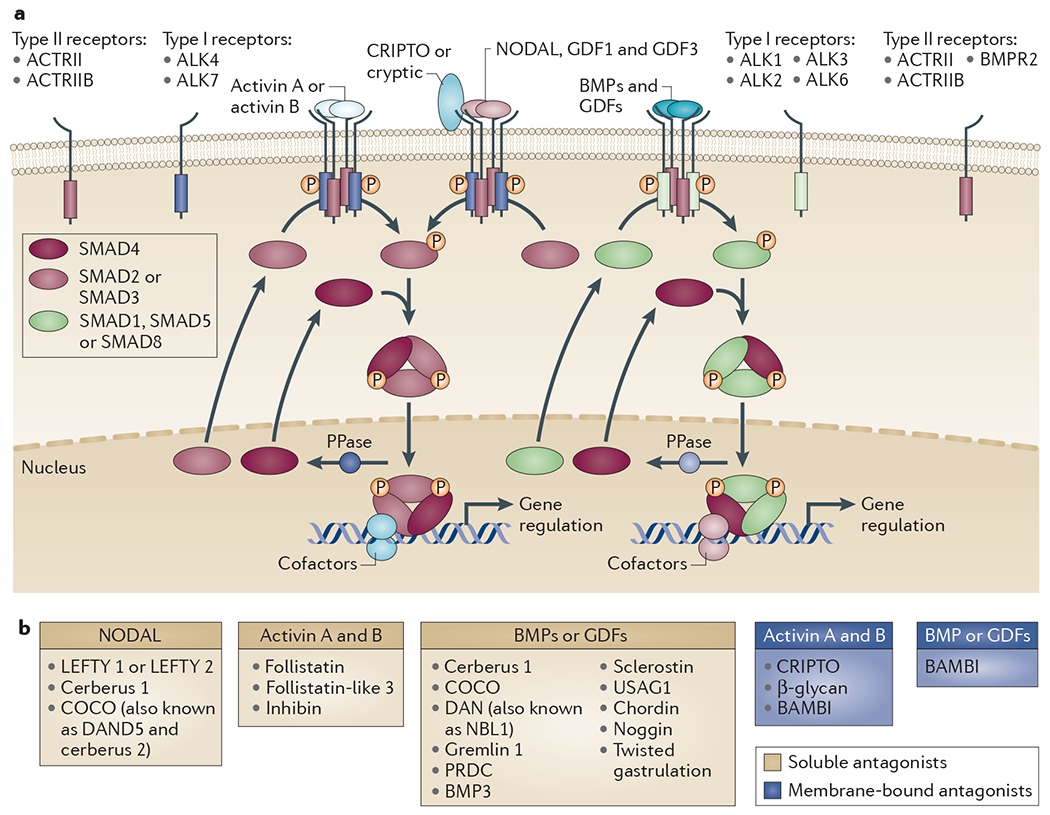
Figure 1 |
Figure 1 |. Signalling downstream of TGFβ superfamily ligands.
a | The core signalling pathway through the SMADs is shown for the bone morphogenetic proteins (BMPs), activins, NODAL, and growth and differentiation factors (GDFs) (BANGs). The pathways downstream of the transforming growth factor-βs (TGFβs) are not shown. Specific ligands bring together different combinations of type I and type II receptors, as indicated. In humans there are a total of seven type I receptors, known as activin receptor-like kinases (ALK1–7), and five type II receptors, with individual ligands binding different combinations (TABLE 1). Six type I receptors and three type II receptors mediate BANG signalling. The receptors all have a cysteine-rich extracellular domain, a single-pass transmembrane domain and an intracellular kinase domain. NODAL, GDF1 and GDF3 signalling also requires the co-receptors CRIPTO or cryptic, which are members of the EGF–CFC family (named after their epidermal growth factor (EGF)-like motif, and a novel cysteine-rich domain with the founding members CRIPTO, FRL1 and cryptic),. The type I receptors dictate which receptor-regulated SMADs (R-SMADs) are phosphorylated (P) in response to which ligand. ALK1, ALK2, ALK3 and ALK6 phosphorylate SMAD1, SMAD5 and SMAD8, whereas ALK4, ALK5 and ALK7 phosphorylate SMAD2 and SMAD3 (REF. 9).The receptor-mediated phosphorylation of the R-SMADs occurs at their extreme carboxyl termini on two serines in an S-M-S or S-V-S motif. R-SMAD phosphorylation promotes complex formation with SMAD4 and subseguent accumulation in the nucleus. b | TGFβ superfamily ligand antagonists CRIPTO and β-glycan, which are co-receptors for NODAL, GDF1 and GDF3, and TGFβ, respectively (TABLE 1), act as inhibitors of activin signalling. BAMBI, BMP and activin membrane-bound inhibitor; PPase, phosphatase; PRDC, protein related to DAN and cerberus (also known as gremlin 2); USAG1, uterine sensitization-associated gene 1 protein (also known as SOSTDC1).
Figure 2 |
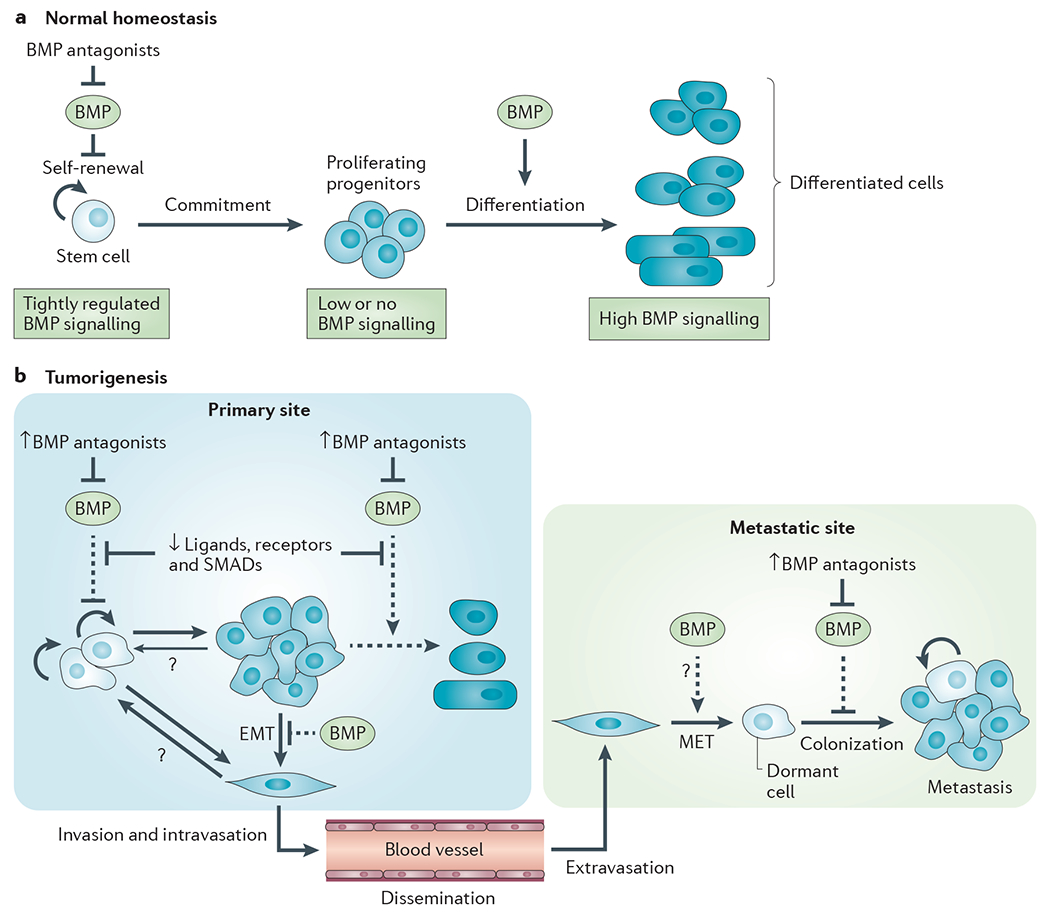
Figure 2 |. Roles for BMPs in normal tissue homeostasis and tumorigenesis.
a | Simplified schematic showing roles of bone morphogenetic proteins (BMPs) in normal adult homeostasis in organs such as the intestine, brain and skin. b | Schematic for aberrant BMP signalling in epithelial tumorigenesis. At the primary tumour site, impaired BMP signalling interacts with other oncogenic lesions to promote tumorigenesis. BMP antagonists are frequently overexpressed either by the tumour cells or by the tumour-educated stroma. The BMP ligands, receptors and downstream signalling components can be disabled through genetic or epigenetic targeting, or by aberrant regulation of expression in the dysfunctional tumour environment. As a result of compromised BMP signalling, stem cell self-renewal pathways are hyperactivated, and cellular maturation and differentiation are blocked or incomplete. Furthermore, some tumour cells may respond to oncogenic cues by undergoing an epithelial-to-mesenchymal transition (EMT), leading to increased cell motility, invasiveness and an increased probability of acguiring stem cell-like characteristics. When the activity of the BMP pathway is compromised, one of the natural barriers to EMT is eliminated. Tumour cells can then leave the primary tumour site and disseminate through the circulation to distant organs. Some commonly colonized sites such as the bone and lung express naturally high levels of endogenous BMPs. The local BMPs may promote a mesenchymal-to-epithelial transition (MET) in the newly arrived tumour cell. However, they also maintain the disseminated tumour cells in a dormant state, a barrier to successful metastasis that can be overcome in tumour cells expressing high levels of BMP antagonists. Dashed arrows represent normal functions of BMPs that are compromised in tumorigenesis.
Figure 3 |
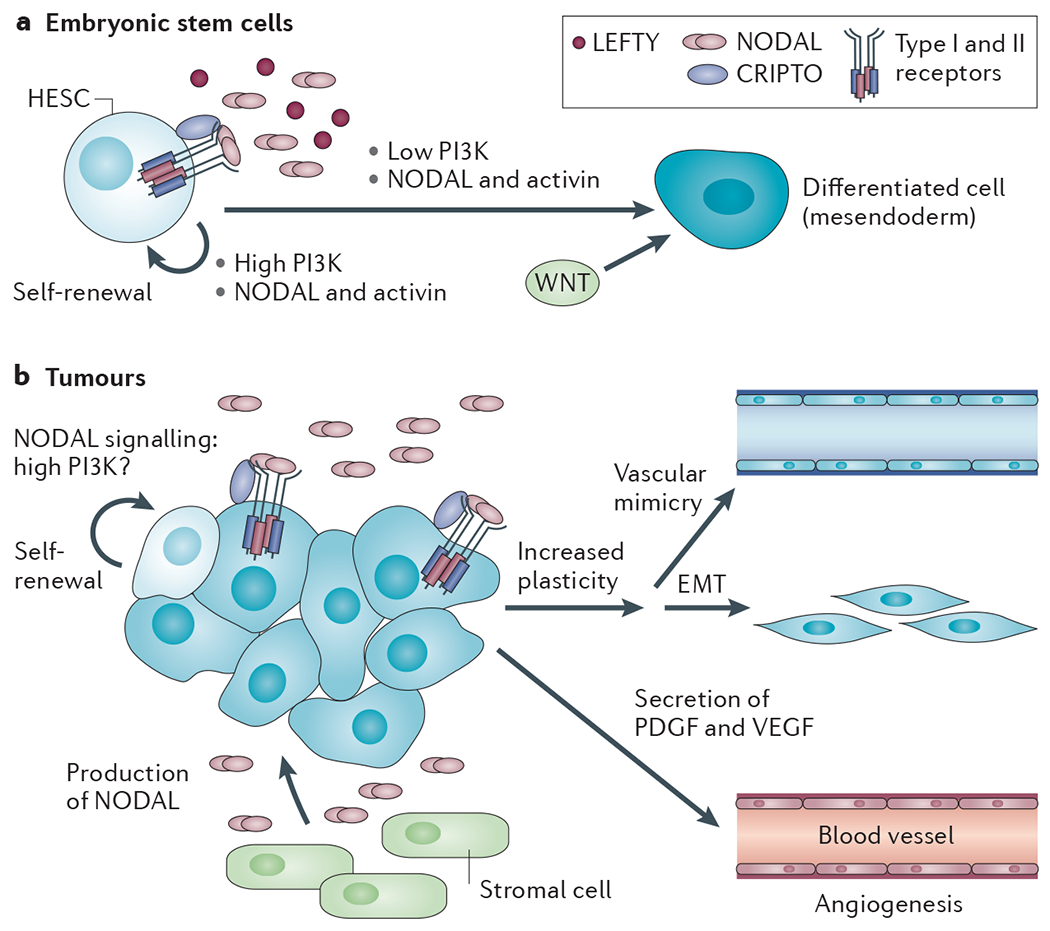
Figure 3 |. Role of NODAL signalling in HESCs and in cancer.
a | Human embryonic stem cells (HESCs) express NODAL (and the related ligands growth and differentiation factor 1 (GDF1) and GDF3), in addition to the relevant type I and type II receptors and CRIPTO, and are thus competent to signal. They also express antagonists such as LEFTY Activin and NODAL signalling induces self-renewal in HESCs in cooperation with high PI3K signalling, but induces differentiation to mesendoderm when PI3K signalling is low or absent, when it cooperates with WNT signalling. b | In many different types of cancer, NODAL is produced both by tumour cells and by stromal cells, such as pancreatic stellate cells. Tumour cells also express CRIPTO, but not LEFTY. NODAL signalling is important for self-renewal of cancer stem cells (CSCs) and this may be influenced by high PI3K signalling in tumours as a result of, for example, high epidermal growth factor (EGF) signalling, mutations in PTEN or mutations in PIK3CA (which encodes the PI3K p110α subunit) itself. NODAL promotes plasticity of tumour cells — for example, inducing epithelial-to-mesenchymal transit ion (EMT) — or development of a vascular network in the case of aggressive melanoma. NODAL also promotes the secretion of the pro-angiogenic factors platelet-derived growth factor (PDGF) and vascular endothelial growth factor (VEGF), which act on endothelial cells to promote angiogenesis.
Figure 4 |
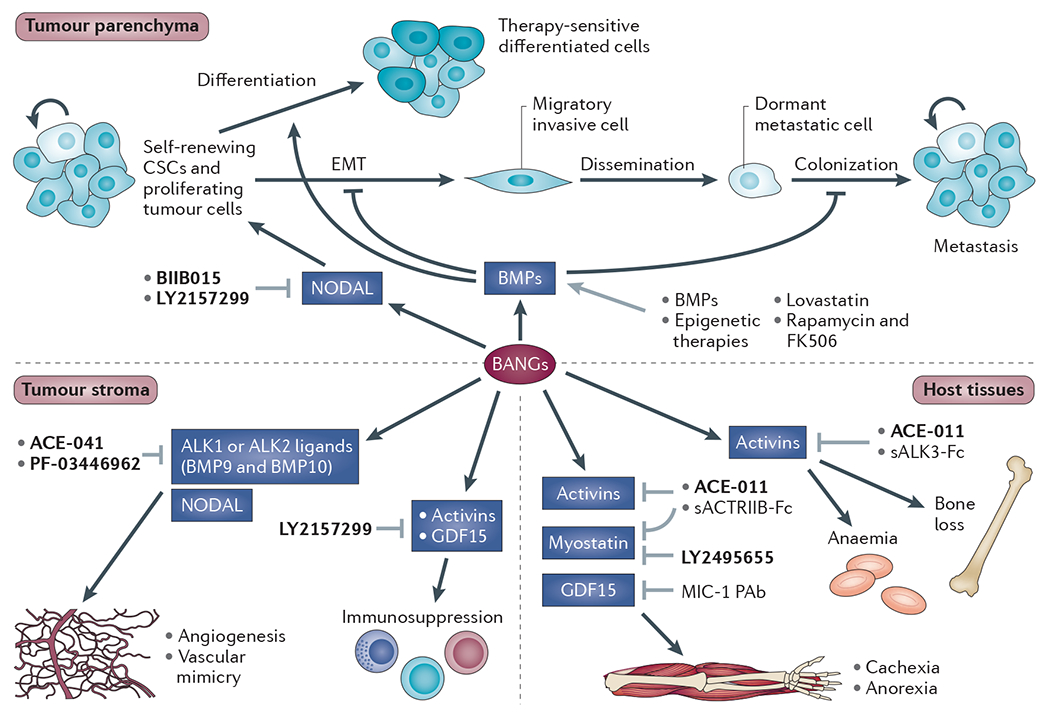
Figure 4 |. Therapeutic approaches to targeting the BANGs in cancer.
Dysregulation of bone morphogenetic proteins (BMPs), activins, NODAL, and growth and differentiation factors (GDFs) (BANGs) can have deleterious effects on the tumour parenchyma, the tumour stroma and on host tissues that are not directly involved in the tumorigenic process. Broadly, most therapeutic strategies to date have been aimed at either enhancing BMP activity or antagonizing BANGs of the activin and NODAL superfamily. For more details of therapeutic agents under clinical development (shown in bold) see TABLE 2. The other therapeutic agents shown are still at the preclinical development stage. Of these, the BMP ligands (some of which are already US Food and Drug Administration (FDA)-approved for fracture healing and lumbar fusion) have been used to induce cancer stem cell (CSC) differentiation and to restore response to chemotherapeutics,. Genetic knockdown of enhancer of zeste homolog 2 (EZH2), a component of the Polycomb repressor complex that is highly expressed in many tumours, restored tumour suppressive BMP responses in glioma cells, suggesting promise for epigenetic therapies that can reverse gene silencing. Interestingly, some drugs developed in other contexts can activate BMP signalling. Lovastatin, a cholesterol-lowering agent, restored response to 5-fluorouracil by reactivating epigenetically silenced BMP2 in colorectal and gastric cancers, and the immunosuppressive agents FK506 and rapamycin can also activate BMP signalling,. Soluble activin receptor-like kinase 3-Fc (sALK3-Fc) and soluble activin receptor IIB-Fc (sACTRIIB-Fc) are ligand traps that have shown therapeutic promise as BANG antagonists in preclinical studies but that have not been taken into the clinic,. The grey arrows indicate interventions that may affect BANG signalling in cancer and cancer-associated processes. MIC-1 PAb, polyclonal antibody to GDF15.

References

    1. Hardwick JC, Kodach LL, Offerhaus GJ & van den Brink GR Bone morphogenetic protein signalling in colorectal cancer. Nature Rev. Cancer 8, 806–812 (2008). - PubMed
    1. Oshimori N & Fuchs E The Harmonies played by TGF-β in stem cell biology. Cell Stem Cell 11, 751–764 (2012). - PMC - PubMed
    1. Wu MY & Hill CS TGF-β superfamily signaling in embryonic development and homeostasis. Dev Cell 16, 329–343 (2009). - PubMed
    1. Huminiecki L et al. Emergence, development and diversification of the TGF-β signalling pathway within the animal kingdom. BMC Evol. Biol 9, 28 (2009). - PMC - PubMed
    1. Pang K, Ryan JF, Baxevanis AD & Martindale MQ Evolution of the TGF-β signaling pathway and its potential role in the ctenophore, Mnemiopsis leidyi. PLoS ONE 6, e24152 (2011). - PMC - PubMed

Publication types

Substances