. 2013 Jul 5;78(13):6358-83.
doi: 10.1021/jo400301u. Epub 2013 May 6.

Exploration of fluorine chemistry at the multidisciplinary interface of chemistry and biology

Affiliations

Exploration of fluorine chemistry at the multidisciplinary interface of chemistry and biology

Iwao Ojima. J Org Chem. .

Abstract

Over the last three decades, my engagement in "fluorine chemistry" has evolved substantially because of the multidisciplinary nature of the research programs. I began my research career as a synthetic chemist in organometallic chemistry and homogeneous catalysis directed toward organic synthesis. Then, I was brought into a very unique world of "fluorine chemistry" in the end of 1970s. I started exploring the interface of fluorine chemistry and transition metal homogeneous catalysis first, which was followed by amino acids, peptides, and peptidomimetics for medicinal chemistry. Since then, I have been exploring the interfaces of fluorine chemistry and multidisciplinary fields of research involving medicinal chemistry, chemical biology, cancer biology, and molecular imaging. This perspective intends to cover my fruitful endeavor in the exploration of fluorine chemistry at the multidisciplinary interface of chemistry and biology in a chronological order to show the evolution of my research interest and strategy.


Figures
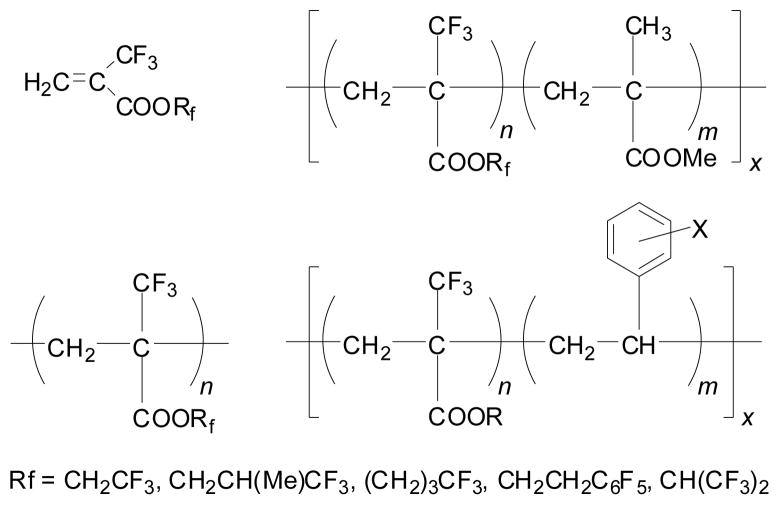
Figure 1
Figure 1
Homo- and block co-polymers of 2-TFMAA esters
Figure 2
Figure 2
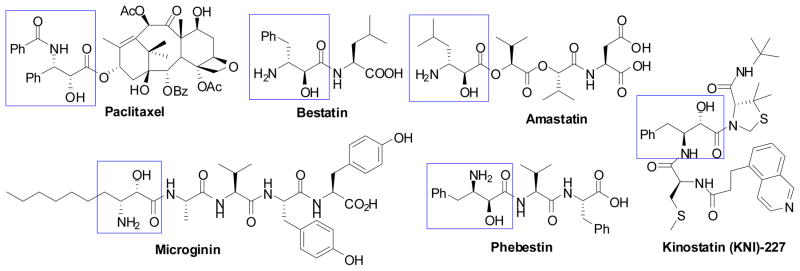
Representative biologically active compounds of medicinal interest bearing an α-hydroxy-β-amino acid residue
Figure 3
Figure 3
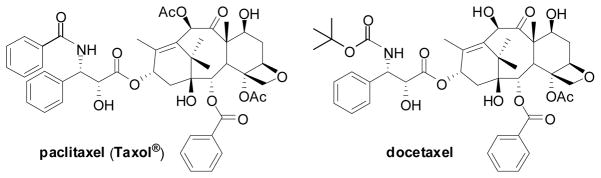
Chemical structures of paclitaxel and decetaxel
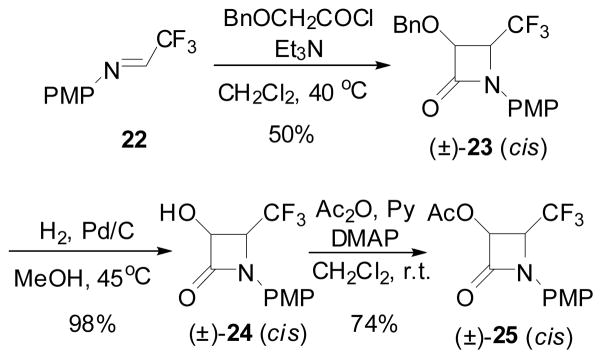
Figure 4
Figure 4
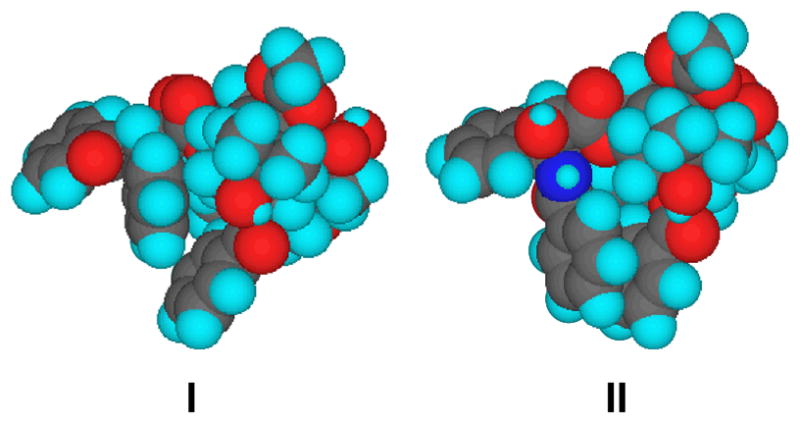
Paclitaxel conformations in aprotic solvent (I) and in aqueous solution (II)
Figure 5
Figure 5
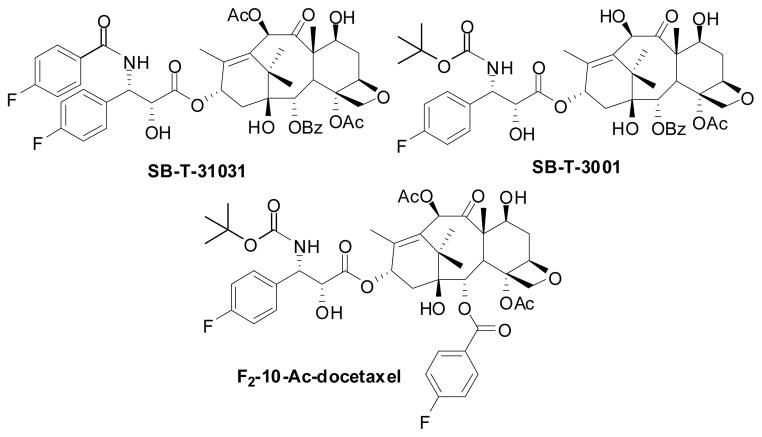
Paclitaxel and docetaxel fluorine probes for NMR analysis
Figure 6
Figure 6
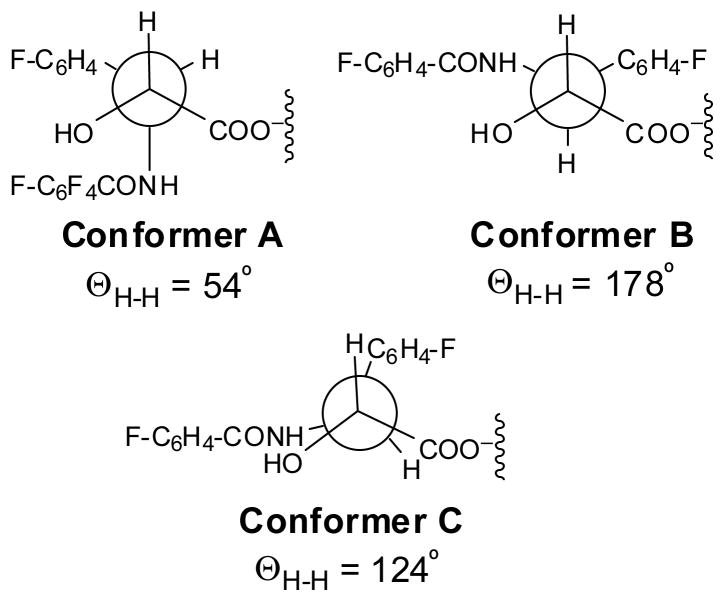
Newman projections of the isoserine moieties of the three conformers of F2-paclitaxel identified
Figure 7
Figure 7
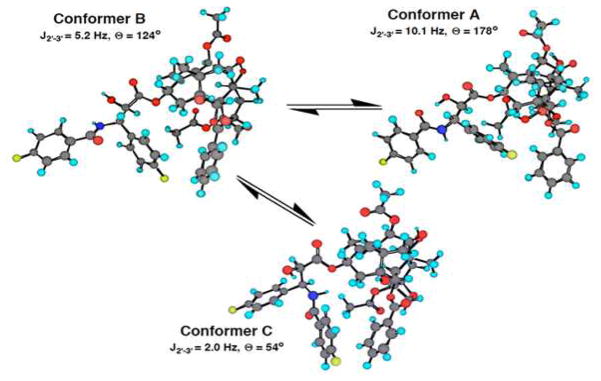
Three conformers of F2-paclitaxel identified
Figure 8
Figure 8
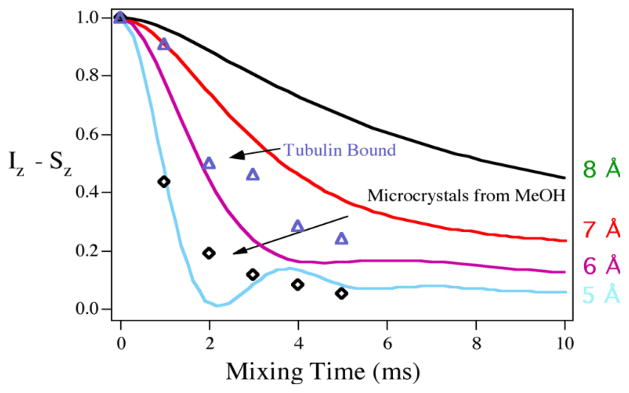
Determination of the F-F distance in F2-10-Ac-paclitaxel using the RFDR protocol by solid state MAS 19F NMR spectroscopy
Figure 9
Figure 9
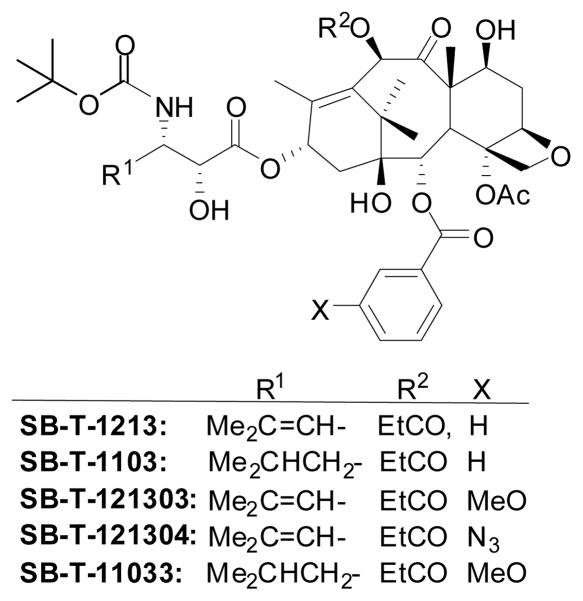
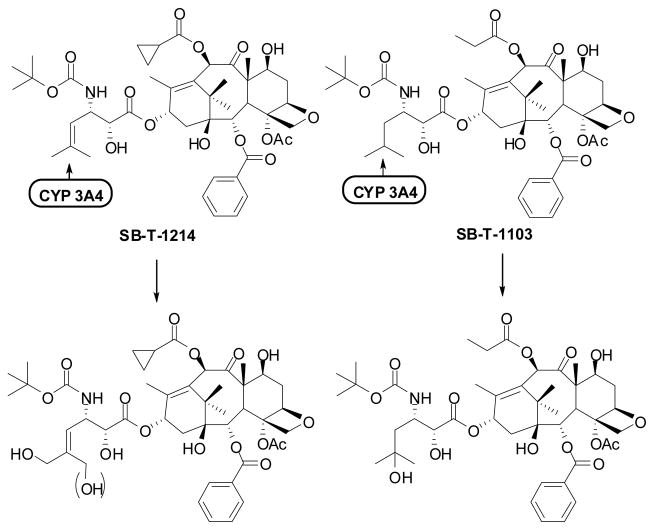
Selected 2nd-generation taxoids
Figure 10
Figure 10
Primary sites of hydroxylation on the 2nd-generation taxoids by cytochrome P450 family enzyme 3A4
Figure 11
Figure 11
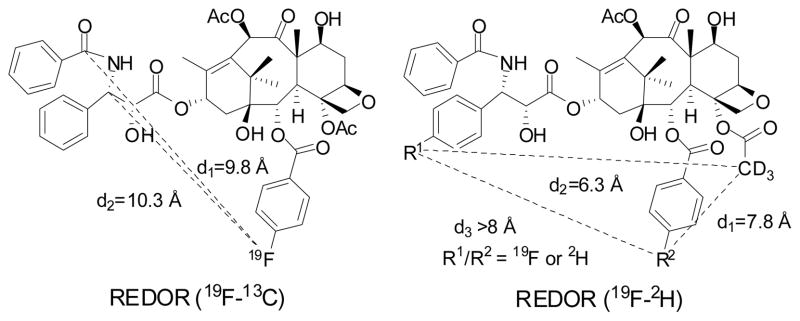
Solid-state NMR studies on microtubule-bound fluorotaxoid probes
Figure 12
Figure 12
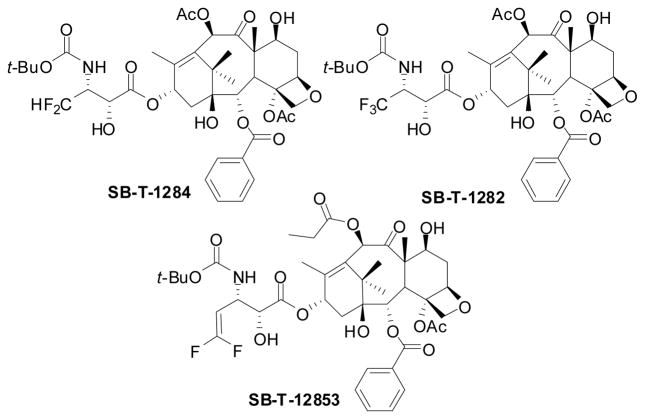
Three fluorotaxoids used for molecular modeling analysis
Figure 13
Figure 13
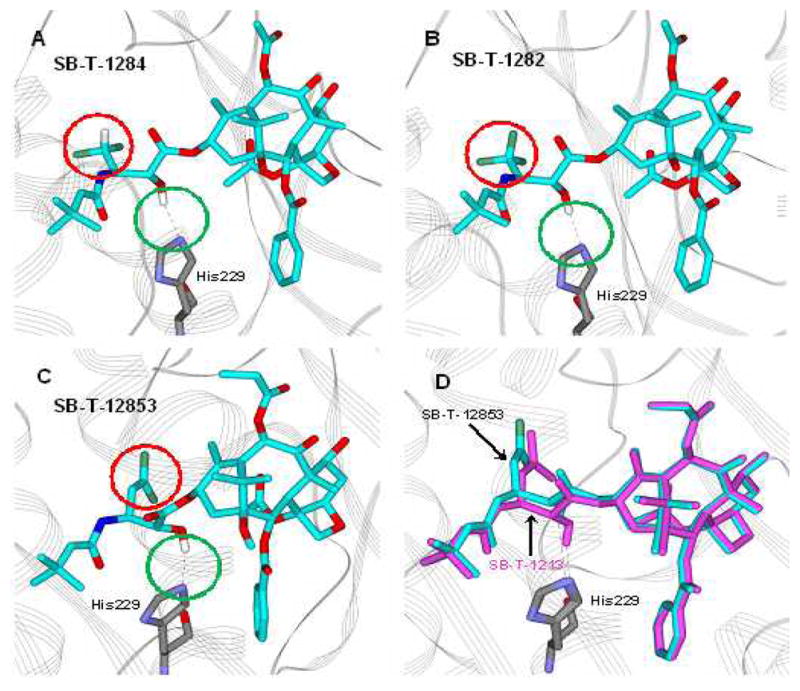
Computer-generated protein-bound structures of 3′-Rf-taxoids in β-tubulin 1JFF: (a) SB-T-1284 (3′-CF2H); (b) SB-T-1282 (3′-CF3); (c) SB-T-12853 (3′-CF2=CH); (d) Overlay of SB-T-12853 and SB-T-1213 (3′-isobutenyl).
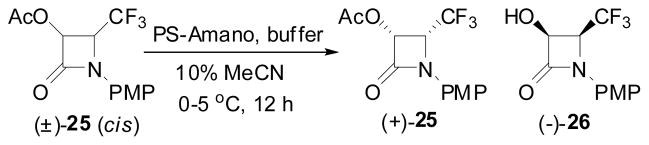
Figure 14
Figure 14
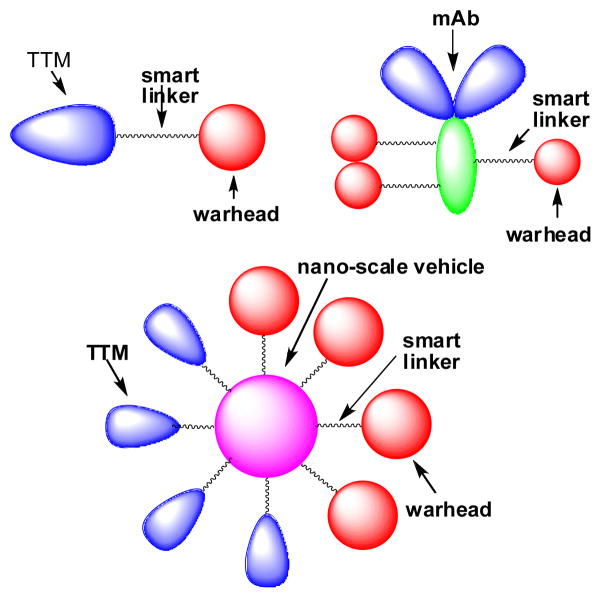
General structures of tumor-targeted drug delivery systems
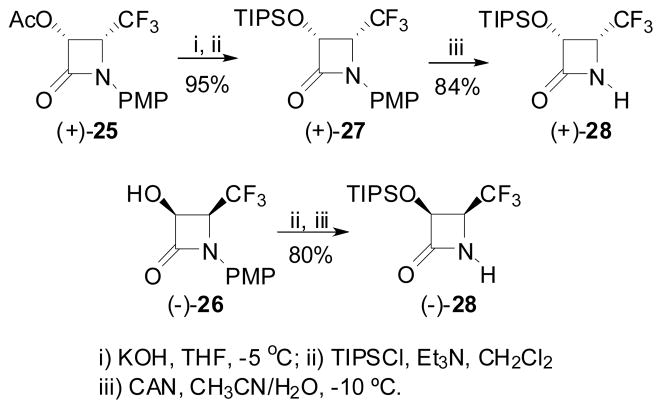
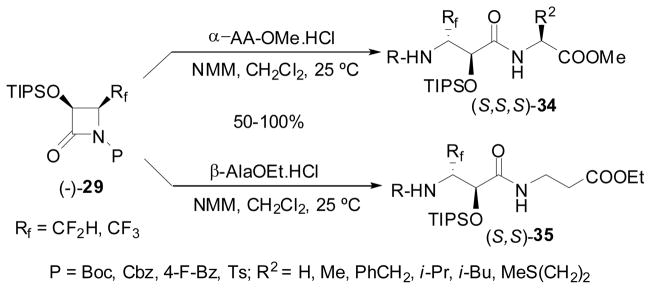
Figure 15
Figure 15
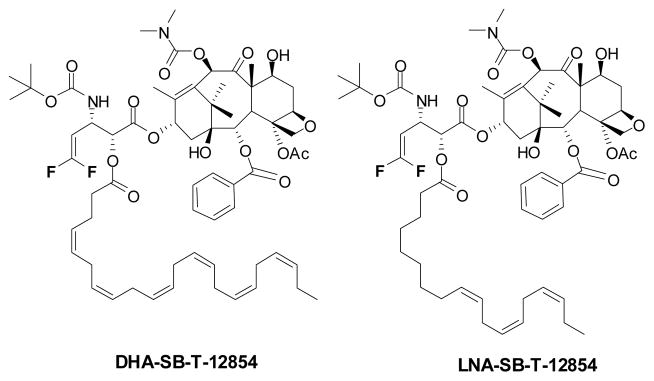
Omega-3 polyunsaturated fatty acid–fluorotaxoid conjugates
Figure 16
Figure 16
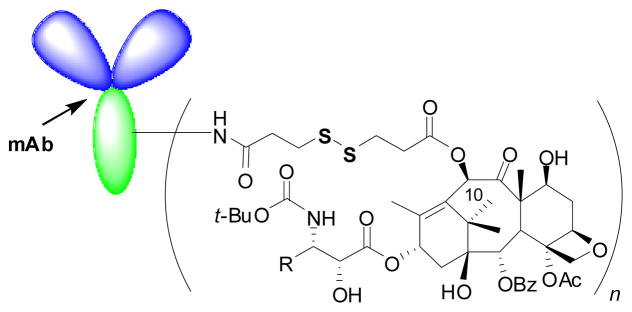
mAb-taxoid conjugate with 1st-generation disulfide linker
Figure 17
Figure 17
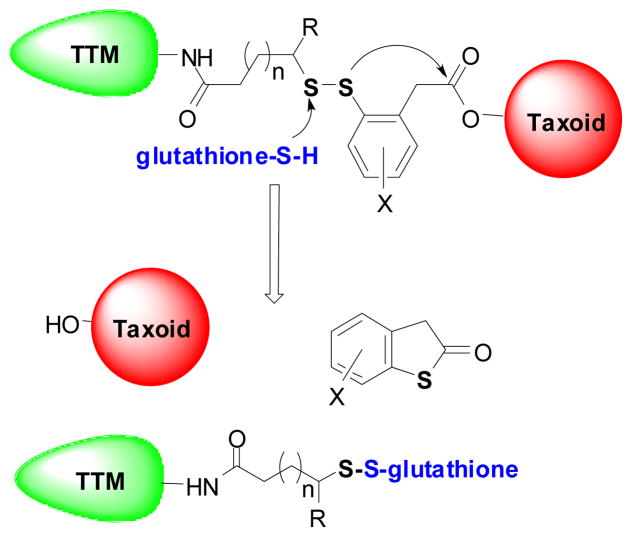
Second-generation self-immolative disulfide linker
Figure 18
Figure 18
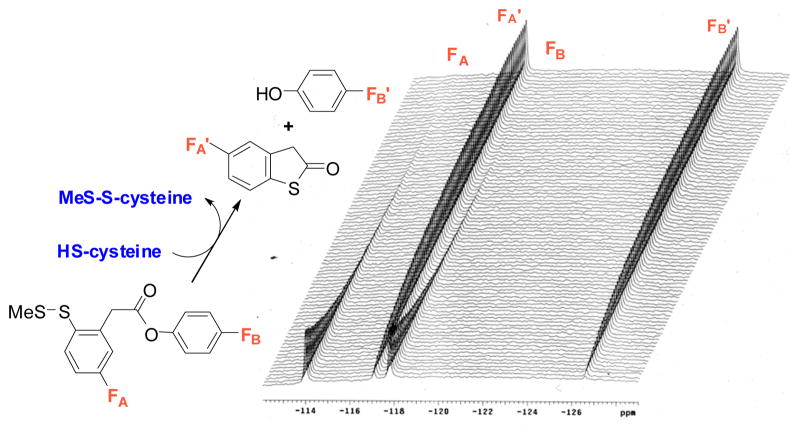
Time-dependent monitoring of disulfide cleavage and thiolactonization by 19F NMR in a model system [Adapted from Ref. ]
Figure 19
Figure 19
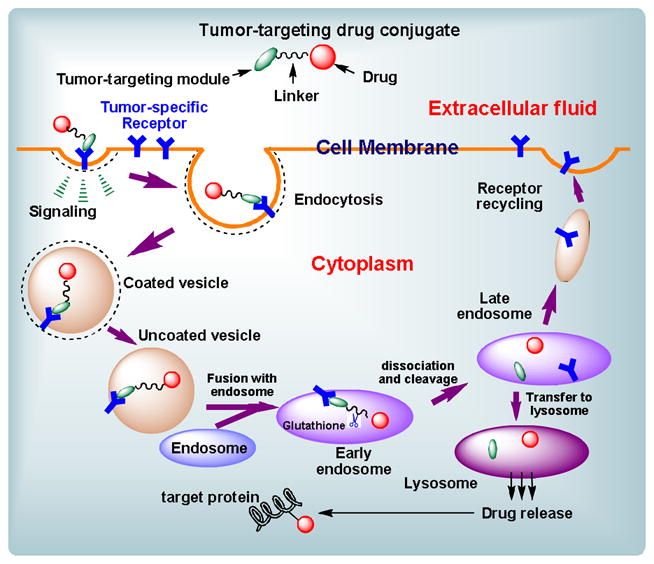
Schematic representation of the RME of a drug conjugate, drug release and drug-binding to the target protein [adapted from Ref. ]
Figure 20
Figure 20
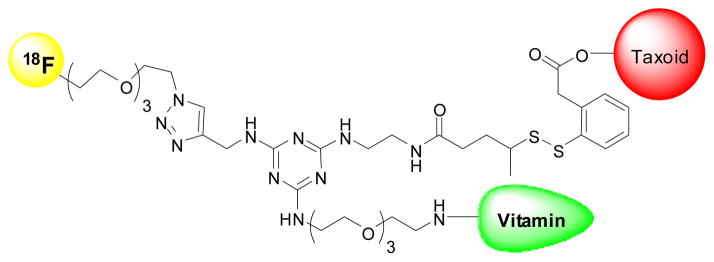
Vitamin-linker-taxoid conjugates bearing an imaging arm for PET analysis
Figure 21
Figure 21
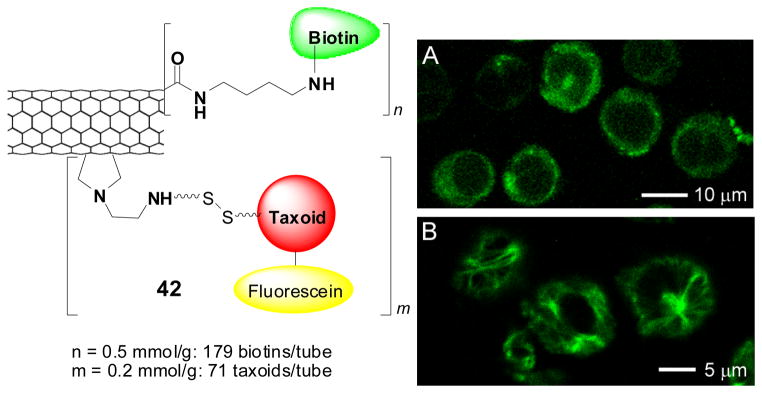
Novel SWNT-based tumor-targeting “Trojan Horse” drug conjugate 42 and the CFM images of L1210FR cells treated with 42 incubated (A) before and (B) after the addition of GSH-ethyl ester. Image B clearly highlights the presence of fluorescent microtubule networks in the living cells generated by the binding of taxoid-fluorescein upon cleavage of the disulfide bond in the linker by either GSH or GSH-ethyl ester. [CFM images were adapted from Ref.]
Figure 22
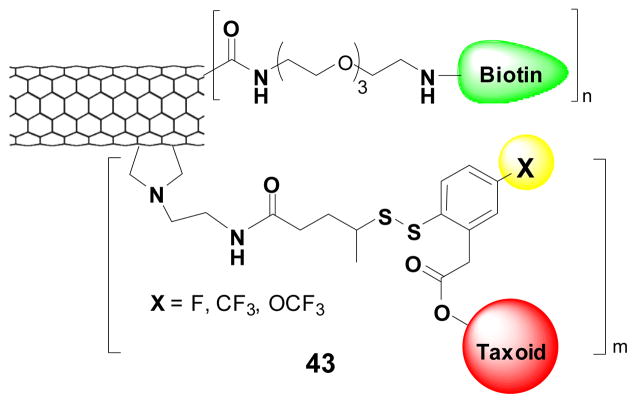
Figure 22
Novel SWNT-based tumor-targeting “Trojan Horse” drug conjugate 43, bearing a fluorine probe
Figure 23
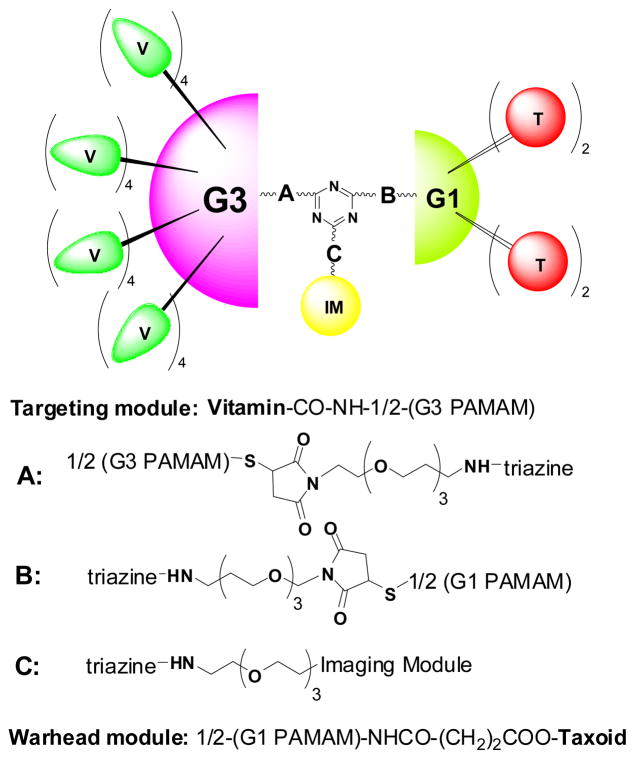
Figure 23
Tumor-targeted drug delivery system based on an asymmetric bowtie PAMAM dendrimer designed for the targeted delivery of 2nd-generation taxoid/fluorotaxoid, bearing an imaging arm
Scheme 1
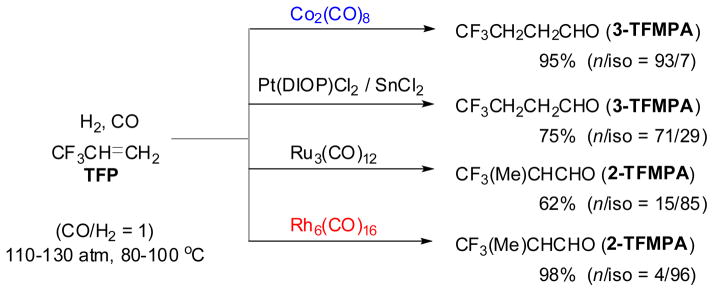
Scheme 1
Hydroformylation of TFP catalyzed by Co, Pt, Ru and Rh complexes
Scheme 2
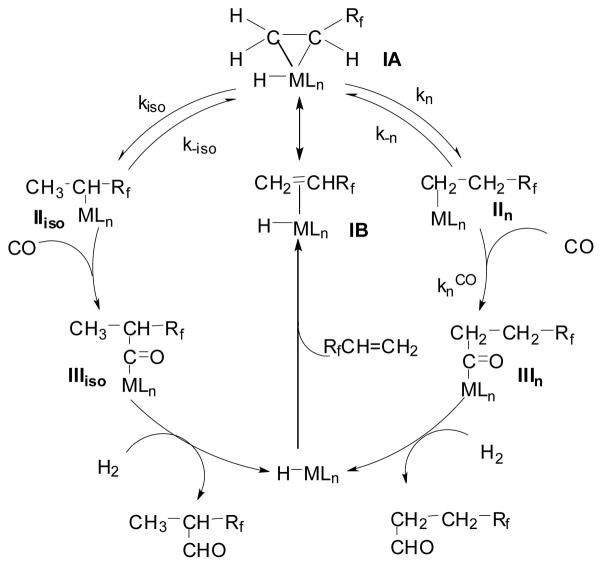
Scheme 2
Mechanism of highly regioselective hydroformylation of fluoro-olefins
Scheme 3
Scheme 3
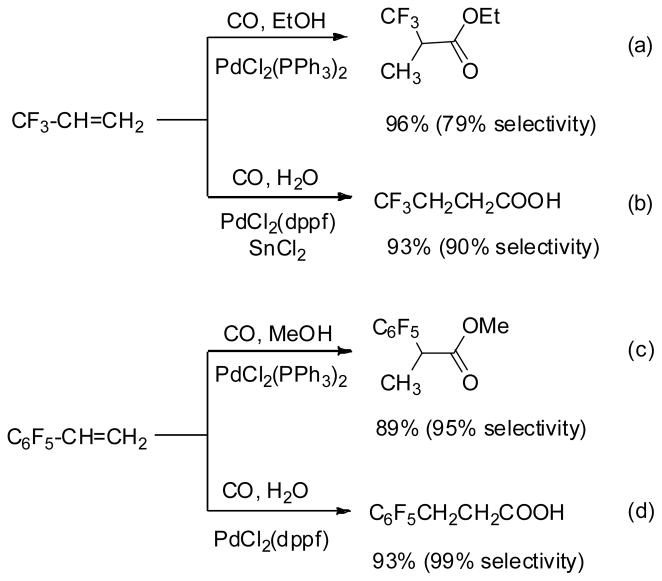
Pd-catalyzed hydroesterification and hydrocarboxylation of TFP and PFS
Scheme 4
Scheme 4
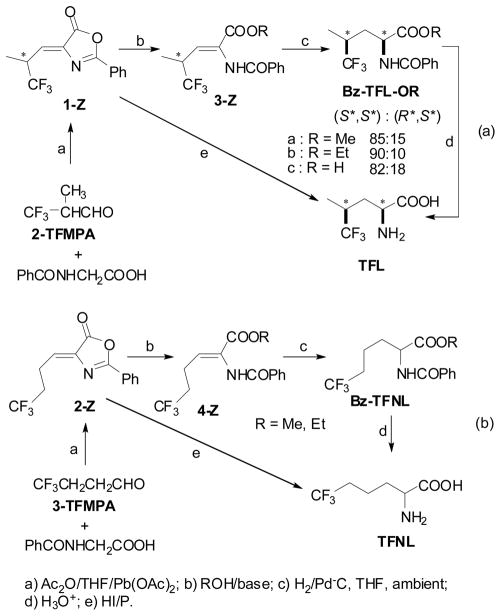
Synthesis of trifluoroleucine and trifluoronorleucine from 2-TFMPA and 3-TFMPA via azlactones
Scheme 5
Scheme 5
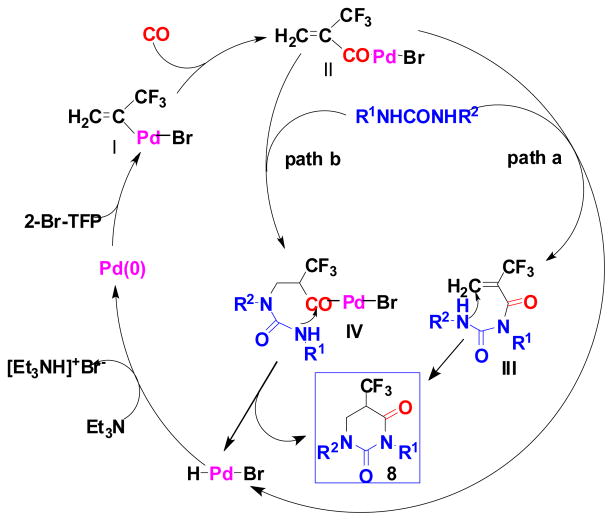
Mechanism of Pd-catalyzed ureidocarbonylation of 2-Br-TFP
Scheme 6
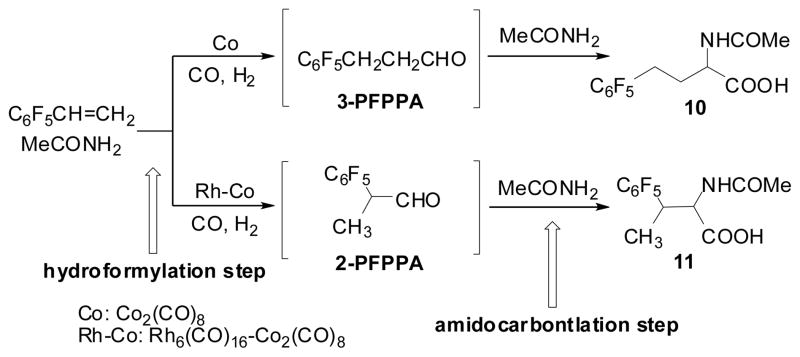
Scheme 6
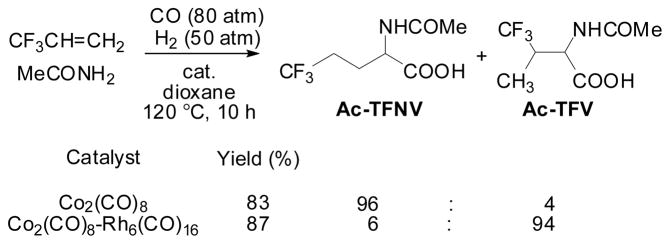
Hydroformylation-amidocarbonylation of TFP
Scheme 7
Scheme 7
Hydroformylation-amidocarbonylation of PFS
Scheme 8
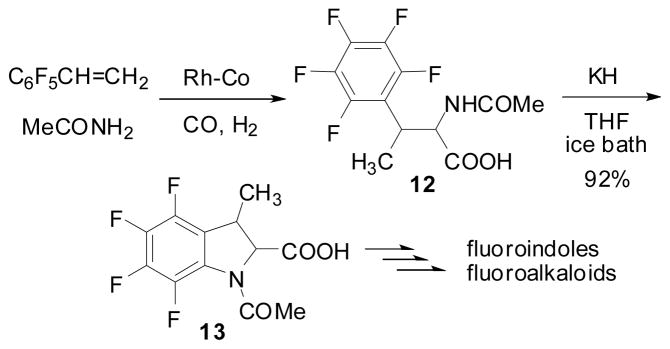
Scheme 8
Tetrafluoroindole synthesis from PFS via highly regioselective hydroformylation-amidocarbonylation
Scheme 9
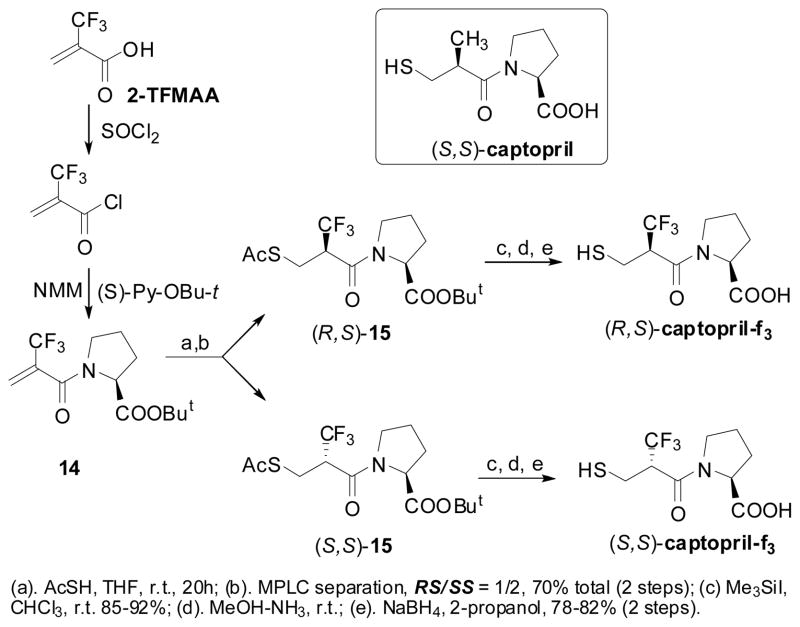
Scheme 9
Synthesis of (R,S)- and (S,S)-captopril-f3
Scheme 10
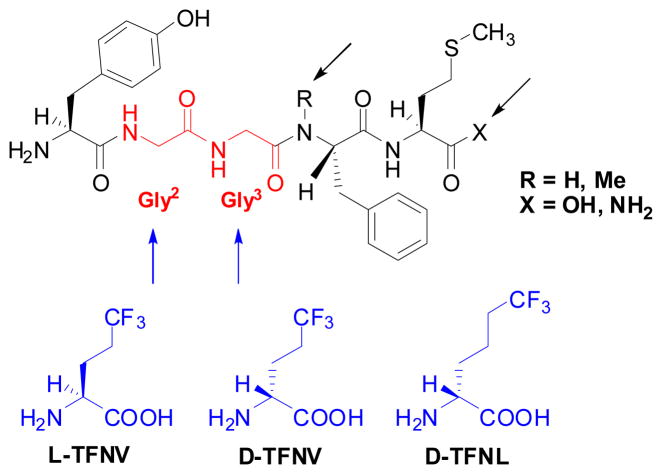
Scheme 10
Schematic illustration of modification strategy of methionine-enkephalin with trifluoronorvaline (TFNV) and trifluoronorleucine (TFNL)
Scheme 11
Scheme 11
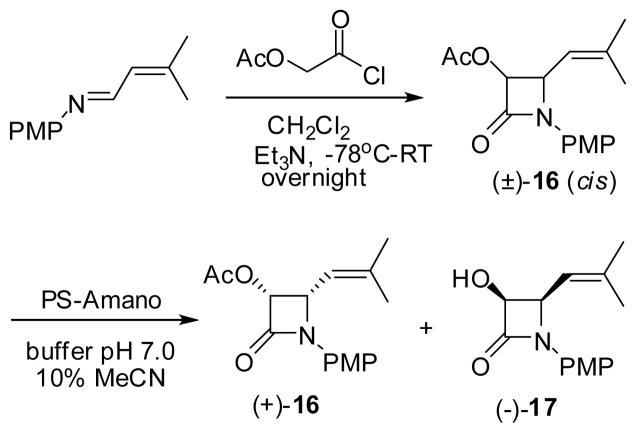
Preparation of racemic 3-AcO-4-isobutenyl-β-lactam via Staundinger ketene-imine cycloadditon and its subsequent enzymatic optical resolution
Scheme 12
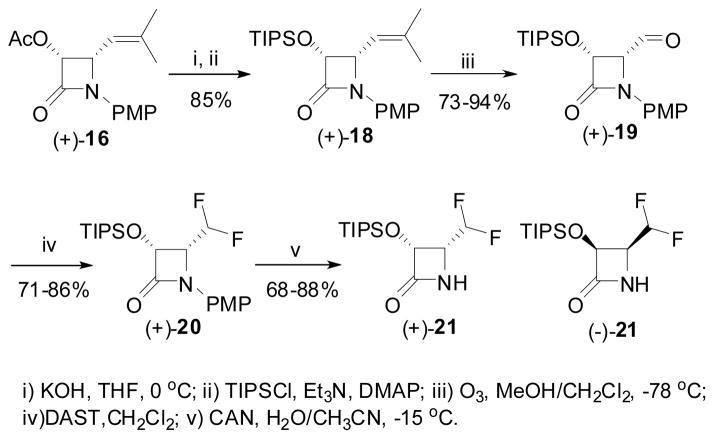
Scheme 12
Transformation of 3-AcO-4-isobutenyl-β-lactam to 3-TIPSO-4-CF2H-β-lactam
Scheme 13
Scheme 13
Preparation of 4-AcO-4-CF3-β-lactam via Staudinger ketene-imine cycloaddition
Scheme 14
Scheme 14
Efficient enzymatic resolution of racemic 3-AcO-F-CF3-β-lactam
Scheme 15
Scheme 15
Synthesis of (+)- and (−)-3-TIPS-4-CF3-β-lactams
Scheme 16
Scheme 16
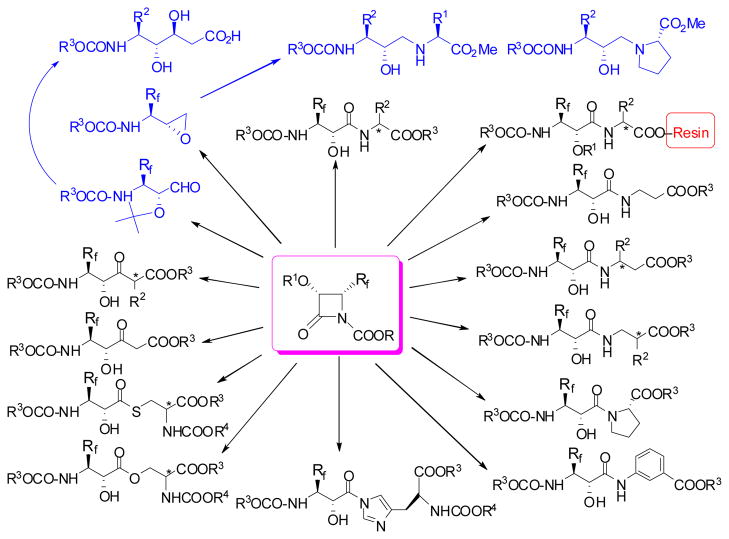
Ring-opening coupling of 1-acyl-4-Rf-β-lactams with α- and β-amino acid esters
Scheme 17
Scheme 17
Feasible transformations of 1-carbalkoxy-4-Rf-β-lactams to peptides and peptidomimetics
Scheme 18
Scheme 18
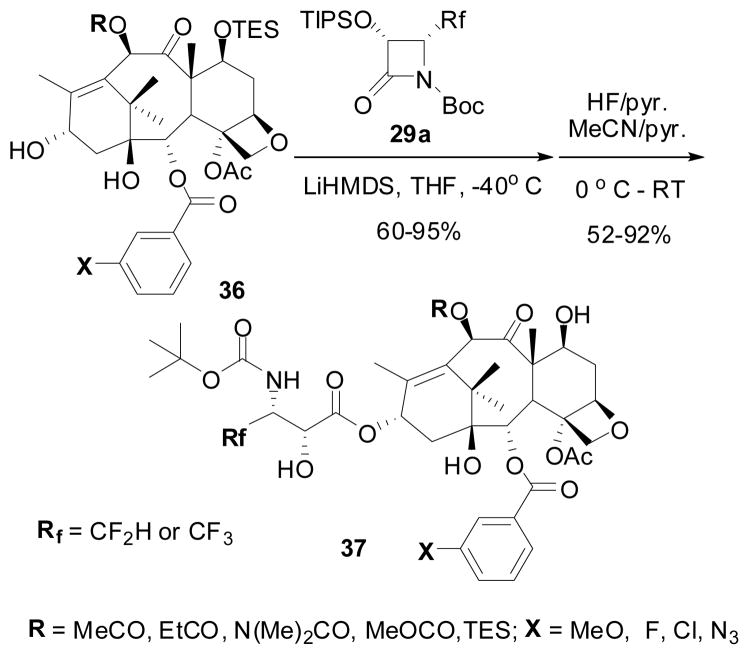
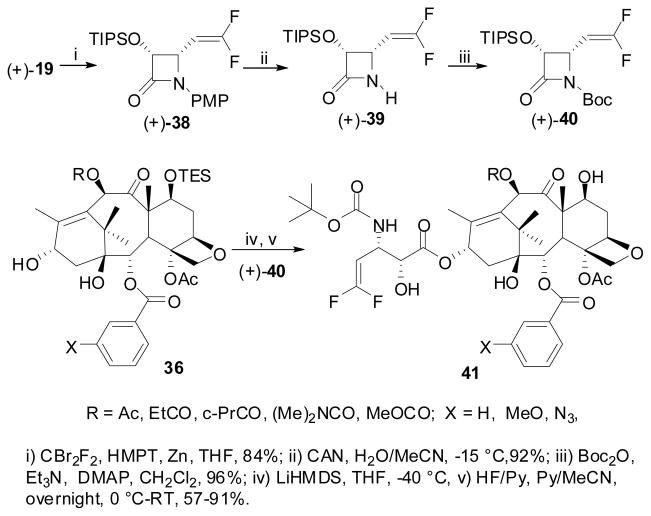
Synthesis of 3′-CF2H- and 3′-CF3-taxoids
Scheme 19
Scheme 19
Synthesis of C3’-difluorovinyltaxoids

References

    1. Begue JP, Bonnet-Delpon D. J Fluorine Chem. 2006;127:992.
    1. Isanbor C, O’Hagan D. J Fluorine Chem. 2006;127:303.
    1. Ojima I. Fluorine in Medicinal Chemistry and Chemical Biology. Wiley-Blackwell; Chichester: 2009.
    1. Polina Cormier E, Das M, Ojima I. In: Fluorine in Medicinal Chemistry and Chemical Biology. Ojima I, editor. Wiley-Blackwell; Chichester: 2009. p. 525.
    1. MedAdNews. 2007;13:200. See also http://business.highbeam.com/437048/article-1G1-167388389/med-ad-news-20....

Publication types

Substances

LinkOut - more resources