


Role of 5-HT2A receptor antagonists in the treatment of insomnia
- PMID: 23616706
- PMCID: PMC3630942
- DOI: 10.2147/nss.s6849
Role of 5-HT2A receptor antagonists in the treatment of insomnia
Abstract
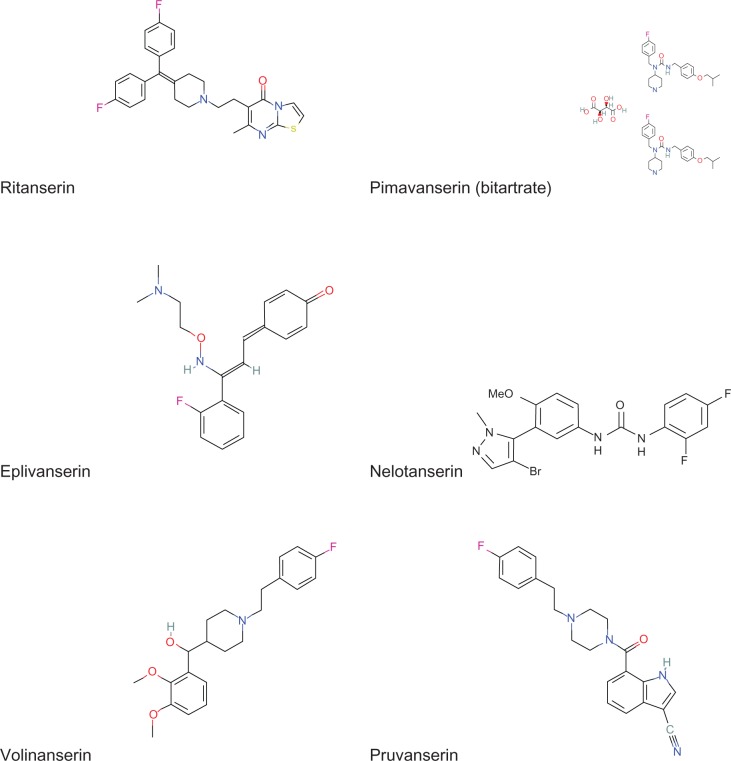
Insomnia encompasses a difficulty in falling asleep (sleep-onset insomnia) and/or a difficulty in staying asleep (SMI). Several selective serotonin-2A (5-HT2A) receptor antagonists have been in development as potential treatments for SMI. However, none have shown a sufficiently robust benefit-to-risk ratio, and none have reached market approval. We review the role of the 5-HT2A mechanism in sleep, the preclinical and clinical data supporting a role for 5-HT2A receptor antagonism in improving sleep maintenance, and the status of 5-HT2A receptor antagonists in clinical development. Overall, the polysomnography data strongly support an increase in slow-wave sleep and a decrease in waking after sleep onset following treatment with 5-HT2A receptor antagonists, although it has been more difficult to show subjective improvements in sleep with these agents. The incidence and prevalence of SMI, whether primary or secondary to psychiatric, neurologic, or other medical conditions, will increase as our population ages. There will be an increased need for safe and efficacious treatments of insomnia characterized by difficulty maintaining sleep, and there remains much promise for 5-HT2A receptor antagonism to play a role in these future treatments.
Keywords: 5-HT2A; insomnia; serotonin; slow-wave sleep; wake after sleep onset.
Figures
References
-
- Chesson A, Jr, Hartse K, Anderson WM, et al. Practice parameters for the evaluation of chronic insomnia. Sleep. 2000;23:1–5. - PubMed
-
- American Psychiatric Association . Diagnostic and Statistical Manual of Mental Disorders. Fourth Edition. Text Revision (DSM-IV-TR) American Psychiatric Association; Arlington, VA: 2000.
-
- Ancoli-Israel S. Sleep and its disorders in aging populations. Sleep Med. 2009;10:S7–S11. - PubMed
-
- Morin CM, Colecchi C, Stone J, Sood R, Brink D. Behavioral and pharmacological therapies for late-life insomnia: A randomized controlled trial. JAMA. 1999;281:991–999. - PubMed
LinkOut - more resources
Full Text Sources
Other Literature Sources
