


Toxic effect of silica nanoparticles on endothelial cells through DNA damage response via Chk1-dependent G2/M checkpoint
- PMID: 23620807
- PMCID: PMC3631220
- DOI: 10.1371/journal.pone.0062087
Toxic effect of silica nanoparticles on endothelial cells through DNA damage response via Chk1-dependent G2/M checkpoint
Abstract
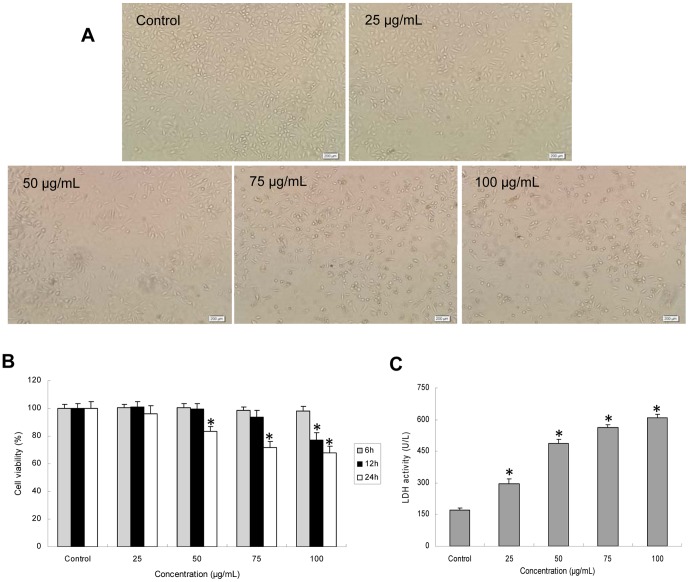
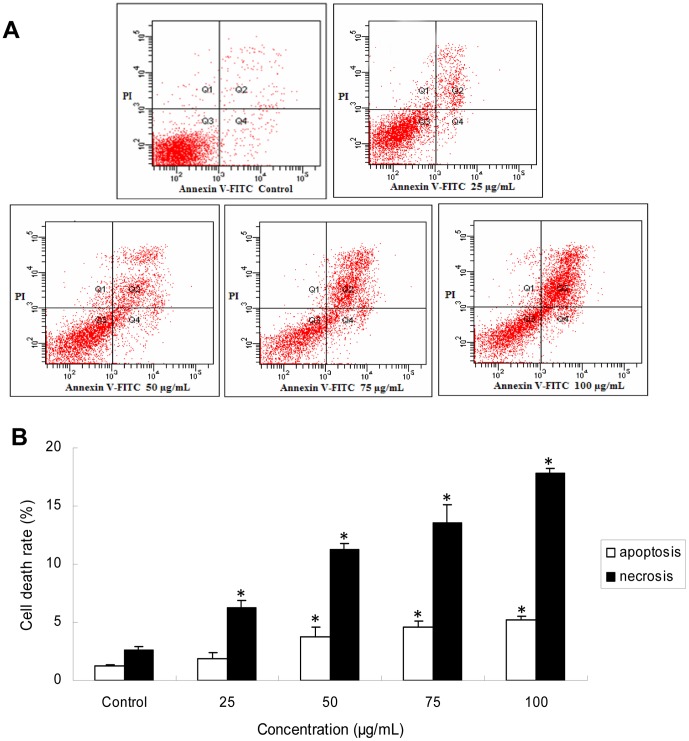
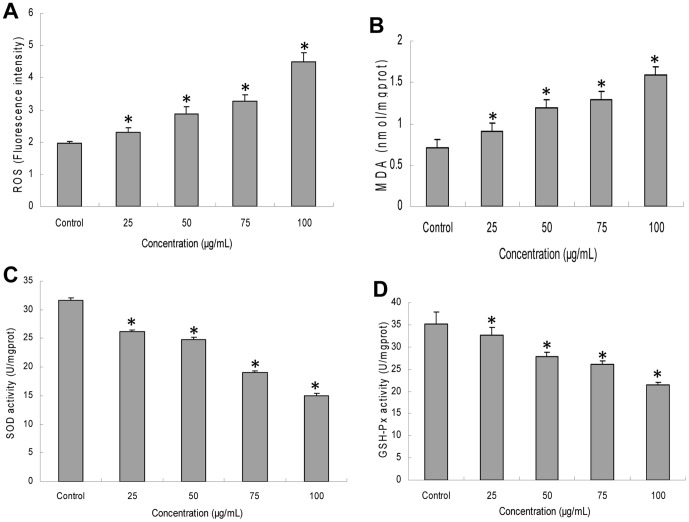
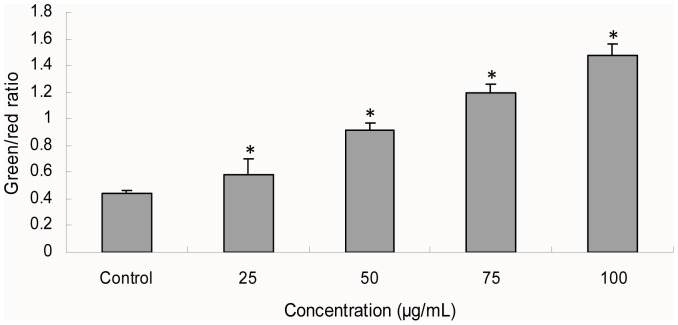
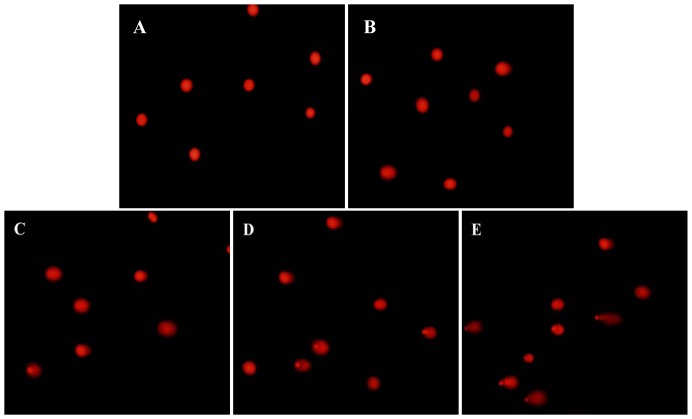
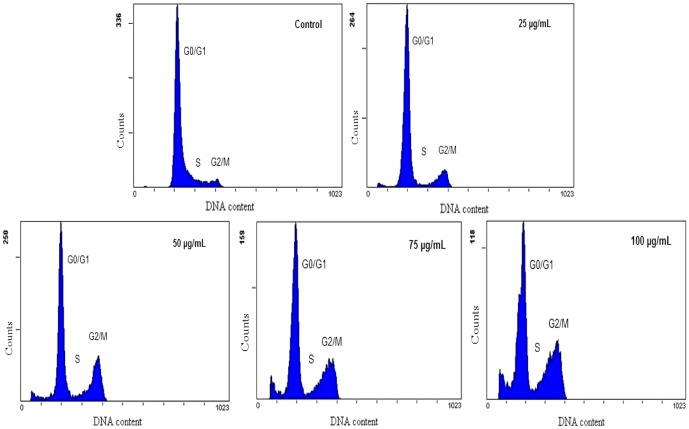
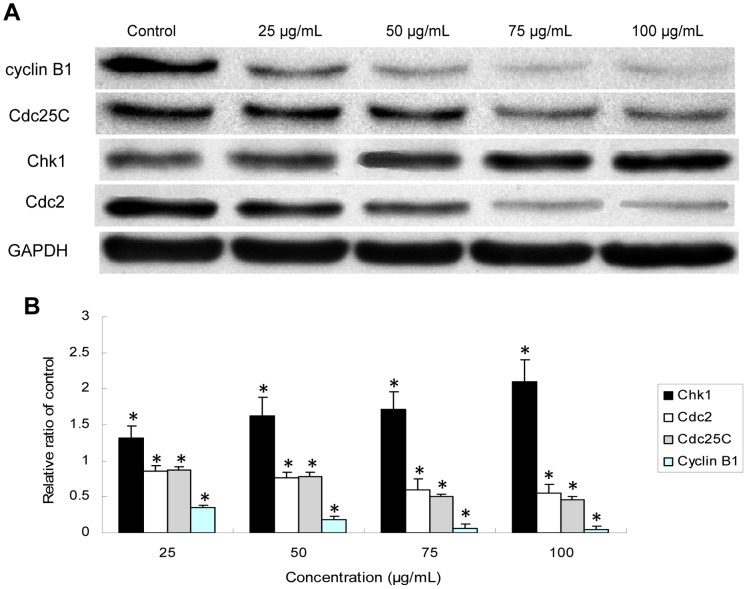
Silica nanoparticles have become promising carriers for drug delivery or gene therapy. Endothelial cells could be directly exposed to silica nanoparticles by intravenous administration. However, the underlying toxic effect mechanisms of silica nanoparticles on endothelial cells are still poorly understood. In order to clarify the cytotoxicity of endothelial cells induced by silica nanoparticles and its mechanisms, cellular morphology, cell viability and lactate dehydrogenase (LDH) release were observed in human umbilical vein endothelial cells (HUVECs) as assessing cytotoxicity, resulted in a dose- and time- dependent manner. Silica nanoparticles-induced reactive oxygen species (ROS) generation caused oxidative damage followed by the production of malondialdehyde (MDA) as well as the inhibition of superoxide dismutase (SOD) and glutathione peroxidase (GSH-Px). Both necrosis and apoptosis were increased significantly after 24 h exposure. The mitochondrial membrane potential (MMP) decreased obviously in a dose-dependent manner. The degree of DNA damage including the percentage of tail DNA, tail length and Olive tail moment (OTM) were markedly aggravated. Silica nanoparticles also induced G2/M arrest through the upregulation of Chk1 and the downregulation of Cdc25C, cyclin B1/Cdc2. In summary, our data indicated that the toxic effect mechanisms of silica nanoparticles on endothelial cells was through DNA damage response (DDR) via Chk1-dependent G2/M checkpoint signaling pathway, suggesting that exposure to silica nanoparticles could be a potential hazards for the development of cardiovascular diseases.
Conflict of interest statement
Figures
References
-
- Li Z, Barnes JC, Bosoy A, Stoddart JF, Zink JI (2012) Mesoporous silica nanoparticles in biomedical applications. Chem Soc Rev 41: 2590–605. - PubMed
-
- Lee JE, Lee N, Kim T, Kim J, Hyeon T (2011) Multifunctional mesoporous silica nanocomposite nanoparticles for theranostic applications. Acc Chem Res 44: 893–902. - PubMed
-
- Kang JH, Keller JJ, Chen CS, Lin HC (2012) Asian dust storm events are associated with an acute increase in pneumonia hospitalization. Ann Epidemiol 22: 257–263. - PubMed
Publication types
MeSH terms
Substances
LinkOut - more resources
Full Text Sources
Other Literature Sources
Research Materials
Miscellaneous
