


Genetic deletion of microsomal prostaglandin E synthase-1 suppresses mouse mammary tumor growth and angiogenesis
- PMID: 23624019
- PMCID: PMC3830707
- DOI: 10.1016/j.prostaglandins.2013.04.002
Genetic deletion of microsomal prostaglandin E synthase-1 suppresses mouse mammary tumor growth and angiogenesis
Abstract
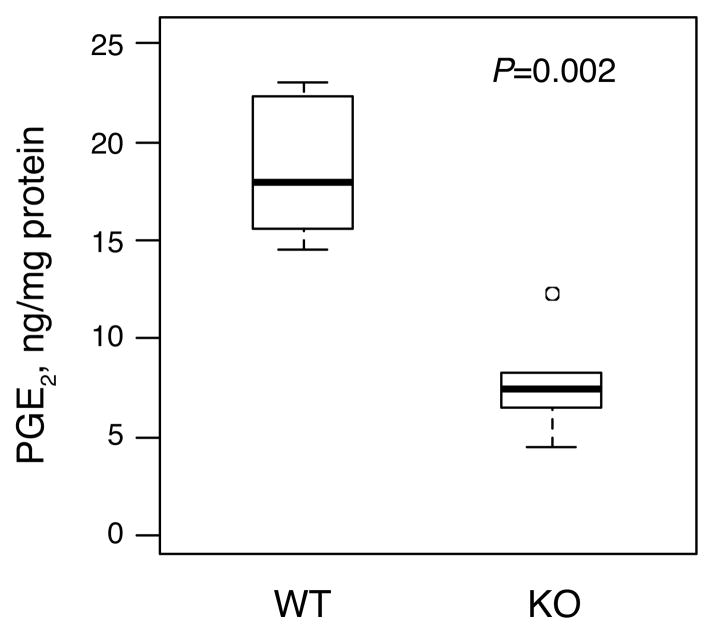
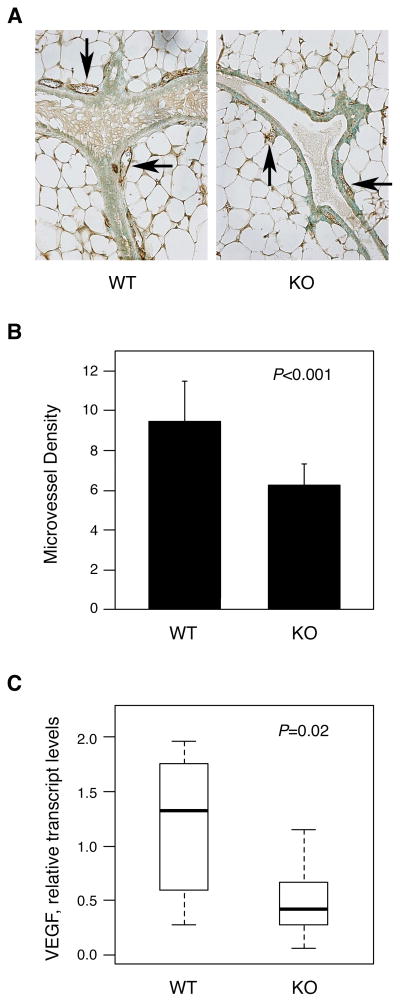
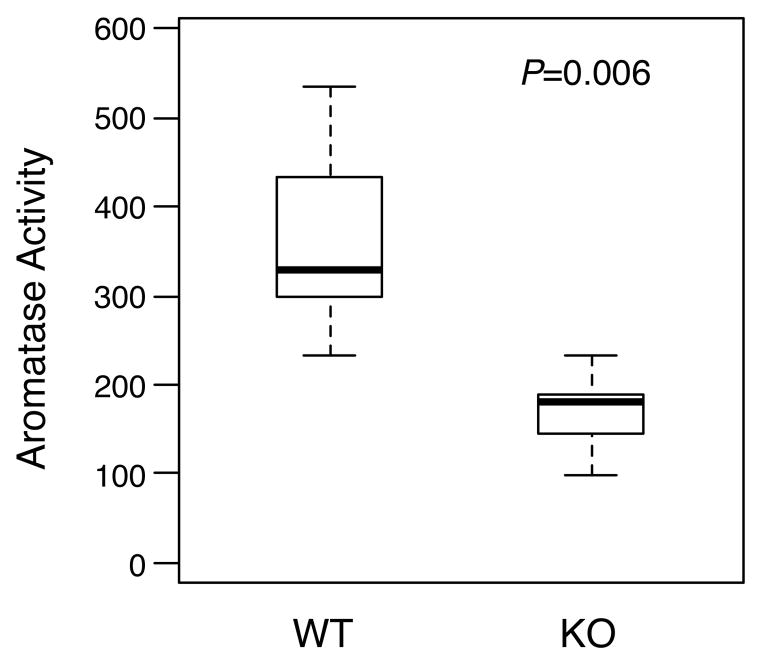
The cyclooxygenase/prostaglandin (COX/PG) signaling pathway is of central importance in inflammation and neoplasia. COX inhibitors are widely used for analgesia and also have demonstrated activity for cancer prophylaxis. However, cardiovascular toxicity associated with this drug class diminishes their clinical utility and motivates the development of safer approaches both for pain relief and cancer prevention. The terminal synthase microsomal PGE synthase-1 (mPGES-1) has attracted considerable attention as a potential target. Overexpression of mPGES-1 has been observed in both colorectal and breast cancers, and gene knockout and overexpression approaches have established a role for mPGES-1 in gastrointestinal carcinogenesis. Here we evaluate the contribution of mPGES-1 to mammary tumorigenesis using a gene knockout approach. Mice deficient in mPGES-1 were crossed with a strain in which breast cancer is driven by overexpression of human epidermal growth factor receptor 2 (HER2/neu). Loss of mPGES-1 was associated with a substantial reduction in intramammary PGE2 levels, aromatase activity, and angiogenesis in mammary glands from HER2/neu transgenic mice. Consistent with these findings, we observed a significant reduction in multiplicity of tumors ≥1mm in diameter, suggesting that mPGES-1 contributes to mammary tumor growth. Our data identify mPGES-1 as a potential anti-breast cancer target.
Keywords: Angiogenesis; Aromatase; Breast cancer; Mouse; PGE(2); mPGES-1.
Copyright © 2013 Elsevier Inc. All rights reserved.
Conflict of interest statement
Figures
References
-
- Brown JR, DuBois RN. COX-2: a molecular target for colorectal cancer prevention. J Clin Oncol. 2005;23:2840–55. - PubMed
-
- Harris RE, Alshafie GA, Abou-Issa H, Seibert K. Chemoprevention of breast cancer in rats by celecoxib, a cyclooxygenase 2 inhibitor. Cancer Res. 2000;60:2101–3. - PubMed
-
- Howe LR, Chang SH, Tolle KC, Dillon R, Young LJ, Cardiff RD, et al. HER2/neu-induced mammary tumorigenesis and angiogenesis are reduced in cyclooxygenase-2 knockout mice. Cancer Res. 2005;65:10113–9. - PubMed
-
- Liu CH, Chang SH, Narko K, Trifan OC, Wu MT, Smith E, et al. Overexpression of cyclooxygenase-2 is sufficient to induce tumorigenesis in transgenic mice. J Biol Chem. 2001;276:18563–9. - PubMed
Publication types
MeSH terms
Substances
Grants and funding
LinkOut - more resources
Full Text Sources
Other Literature Sources
Molecular Biology Databases
Research Materials
Miscellaneous
