


An alkylphenol mix promotes seminoma derived cell proliferation through an ERalpha36-mediated mechanism
- PMID: 23626723
- PMCID: PMC3634018
- DOI: 10.1371/journal.pone.0061758
An alkylphenol mix promotes seminoma derived cell proliferation through an ERalpha36-mediated mechanism
Abstract
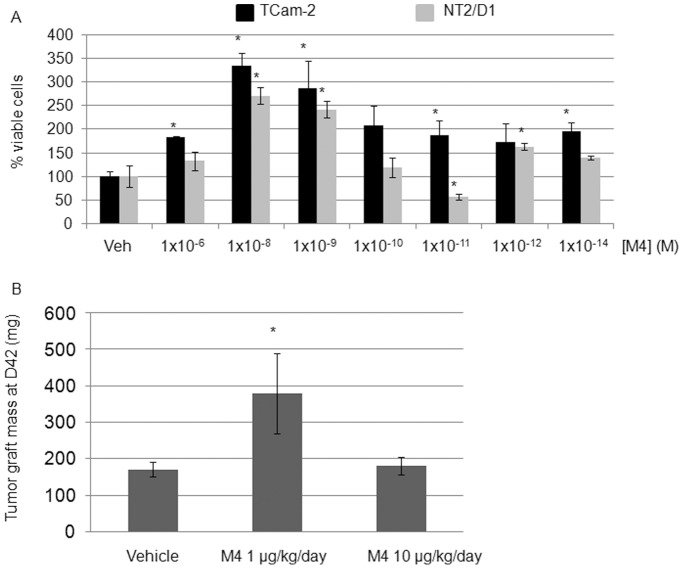
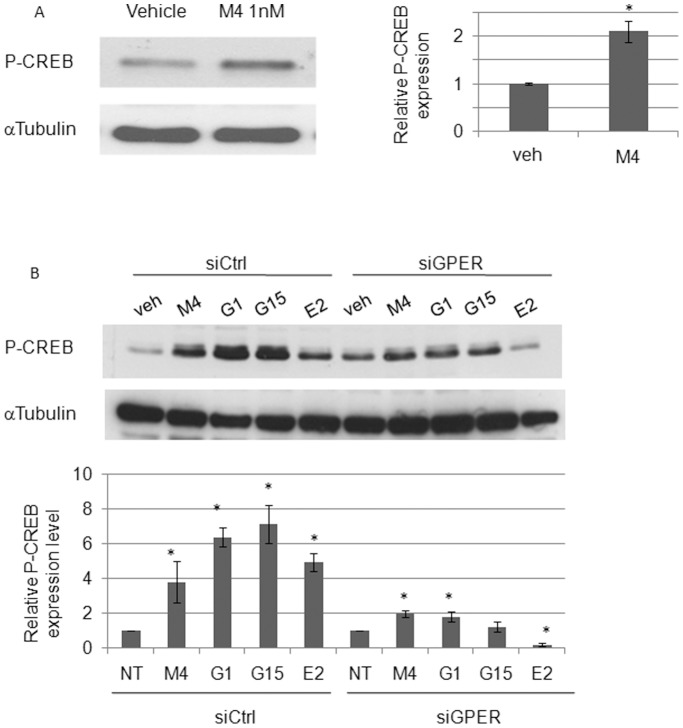
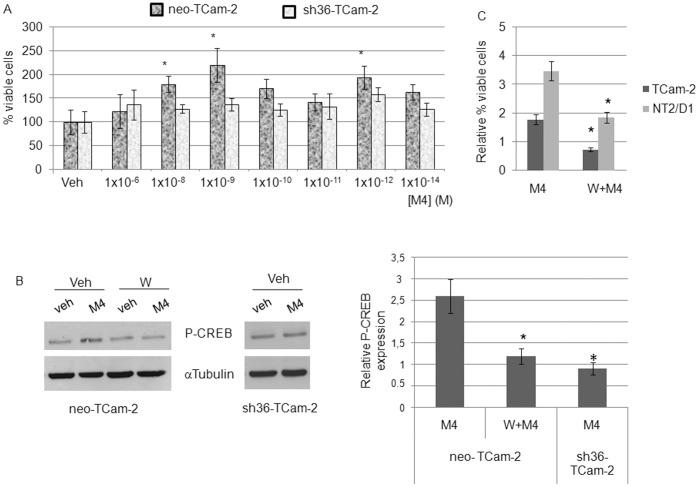
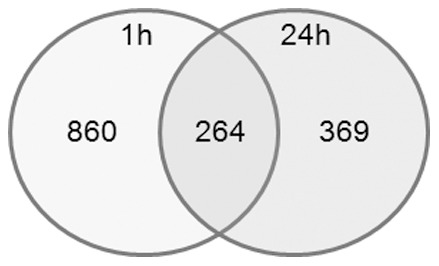
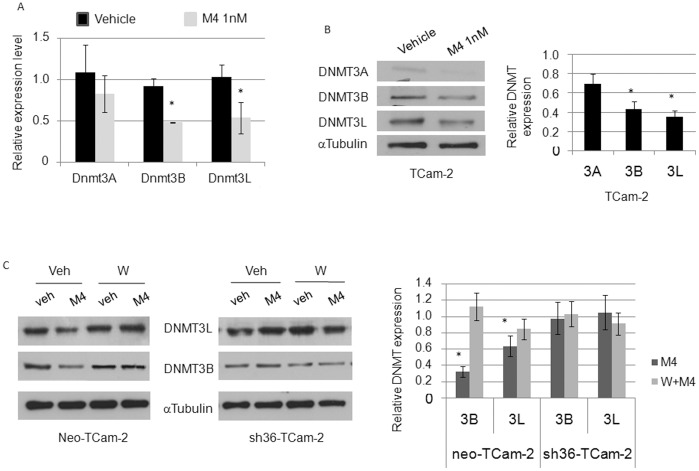
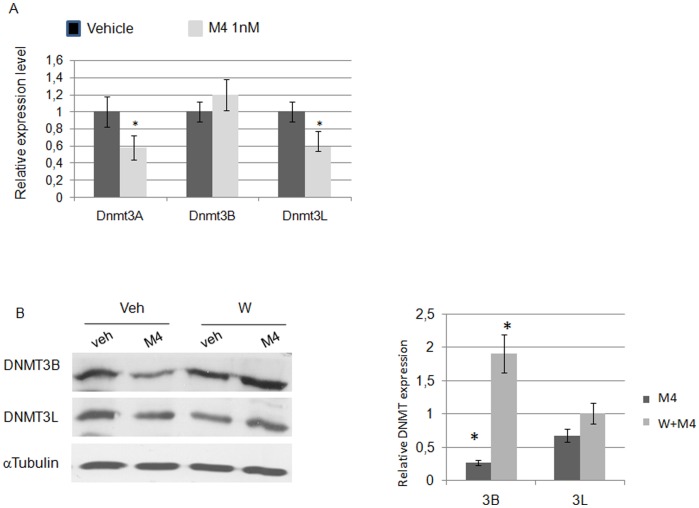
Long chain alkylphenols are man-made compounds still present in industrial and agricultural processes. Their main use is domestic and they are widespread in household products, cleansers and cosmetics, leading to a global environmental and human contamination. These molecules are known to exert estrogen-like activities through binding to classical estrogen receptors. In vitro, they can also interact with the G-protein coupled estrogen receptor. Testicular germ cell tumor etiology and progression are proposed to be stimulated by lifelong estrogeno-mimetic exposure. We studied the transduction signaling pathways through which an alkyphenol mixture triggers testicular cancer cell proliferation in vitro and in vivo. Proliferation assays were monitored after exposure to a realistic mixture of 4-tert-octylphenol and 4-nonylphenol of either TCam-2 seminoma derived cells, NT2/D1 embryonal carcinoma cells or testis tumor in xenografted nude mice. Specific pharmacological inhibitors and gene-silencing strategies were used in TCam-2 cells in order to demonstrate that the alkylphenol mix triggers CREB-phosphorylation through a rapid, ERα36-PI3kinase non genomic pathway. Microarray analysis of the mixture target genes revealed that this pathway can modulate the expression of the DNA-methyltransferase-3 (Dnmt3) gene family which is involved in DNA methylation control. Our results highlight a key role for ERα36 in alkylphenol non genomic signaling in testicular germ cell tumors. Hence, ERα36-dependent control of the epigenetic status opens the way for the understanding of the link between endocrine disruptor exposure and the burden of hormone sensitive cancers.
Conflict of interest statement
Figures
References
-
- Vega A, Baptissart M, Caira F, Brugnon F, Lobaccaro JM, et al. (2012) Epigenetic, a molecular link between testicular cancer and environmental exposures. Front Endocrinol (Lausanne) 3: 150 doi: 10.3389/fendo.2012.00150. - DOI - PMC - PubMed
-
- Skakkebaek NE (1975) Atypical germ cells in the adjacent “normal” tissue of testicular tumours. Acta Pathol Microbiol Scand A 83: 127–130. - PubMed
-
- Rajpert-De Meyts E, Hoei-Hansen CE (2007) From gonocytes to testicular cancer: the role of impaired gonadal development. Ann NY Acad Sci 1120: 168–180. - PubMed
-
- Beiki O, Granath F, Allebeck P, Akre O, Moradi T (2010) Subtype-specific risk of testicular tumors among immigrants and their descendants in Sweden, 1960 to 2007. Cancer Epidemiol Biomarkers Prev 19: 1053–1065. - PubMed
Publication types
MeSH terms
Substances
LinkOut - more resources
Full Text Sources
Other Literature Sources
Medical
