


The toxicological impacts of the Fusarium mycotoxin, deoxynivalenol, in poultry flocks with special reference to immunotoxicity
- PMID: 23628787
- PMCID: PMC3709269
- DOI: 10.3390/toxins5050912
The toxicological impacts of the Fusarium mycotoxin, deoxynivalenol, in poultry flocks with special reference to immunotoxicity
Abstract
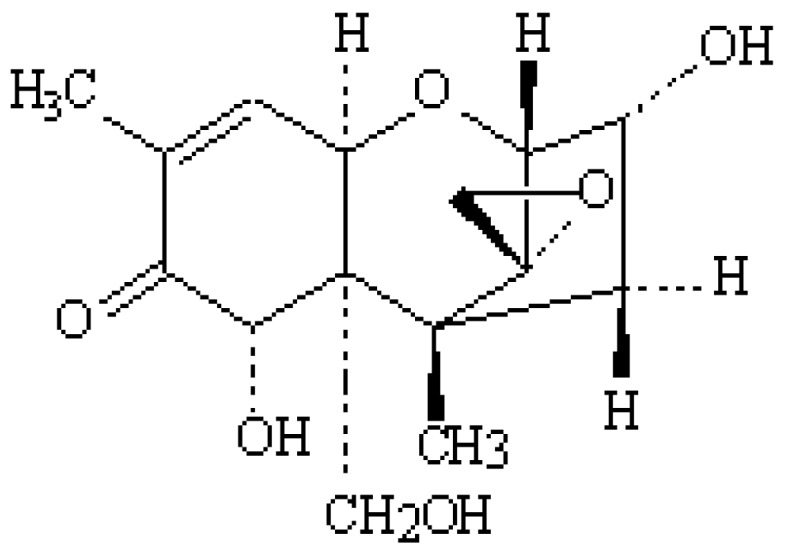
Deoxynivalenol (DON) is a common Fusarium toxin in poultry feed. Chickens are more resistant to the adverse impacts of deoxynivalenol (DON) compared to other species. In general, the acute form of DON mycotoxicosis rarely occurs in poultry flocks under normal conditions. However, if diets contain low levels of DON (less than 5 mg DON/kg diet), lower productivity, impaired immunity and higher susceptibility to infectious diseases can occur. The molecular mechanism of action of DON has not been completely understood. A significant influence of DON in chickens is the impairment of immunological functions. It was known that low doses of DON elevated the serum IgA levels and affected both cell-mediated and humoral immunity in animals. DON is shown to suppress the antibody response to infectious bronchitis vaccine (IBV) and to Newcastle disease virus (NDV) in broilers (10 mg DON/kg feed) and laying hens (3.5 to 14 mg of DON/kg feed), respectively. Moreover, DON (10 mg DON/kg feed) decreased tumor necrosis factor alpha (TNF-α) in the plasma of broilers. DON can severely affect the immune system and, due to its negative impact on performance and productivity, can eventually result in high economic losses to poultry producers. The present review highlights the impacts of DON intoxication on cell mediated immunity, humoral immunity, gut immunity, immune organs and pro-inflammatory cytokines in chickens.
Figures
References
-
- Eriksen G.S., Pettersson H., Lindberg J.E. Absorption, metabolism and excretion of 3-acetyl DON in pigs. Arch. Tierernähr. 2003;57:335–345. - PubMed
-
- Desjardins A.E. Fusarium Mycotoxins: Chemistry, Genetics and Biology. APS Press; St. Paul, MN, USA: 2006. Mechanism of Action of Trichothecenes; pp. 53–54.
-
- Swamy H.V.L.N., Smith T.K., Karrow N.A., Boermans H.J. Effects of feeding blends of grains naturally contaminated with Fusarium mycotoxins on growth and immunological parameters of broiler chickens. Poult. Sci. 2004;83:533–543. - PubMed
Publication types
MeSH terms
Substances
LinkOut - more resources
Full Text Sources
Other Literature Sources
Miscellaneous
