


Short-term in-vitro expansion improves monitoring and allows affordable generation of virus-specific T-cells against several viruses for a broad clinical application
- PMID: 23630567
- PMCID: PMC3632539
- DOI: 10.1371/journal.pone.0059592
Short-term in-vitro expansion improves monitoring and allows affordable generation of virus-specific T-cells against several viruses for a broad clinical application
Abstract
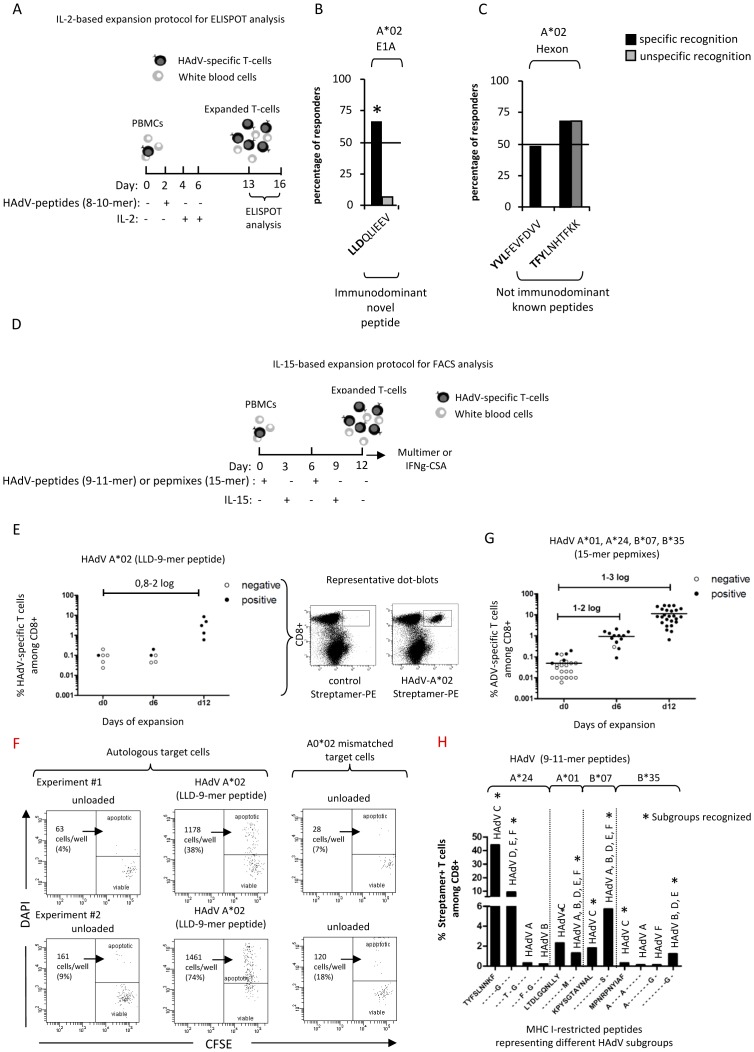
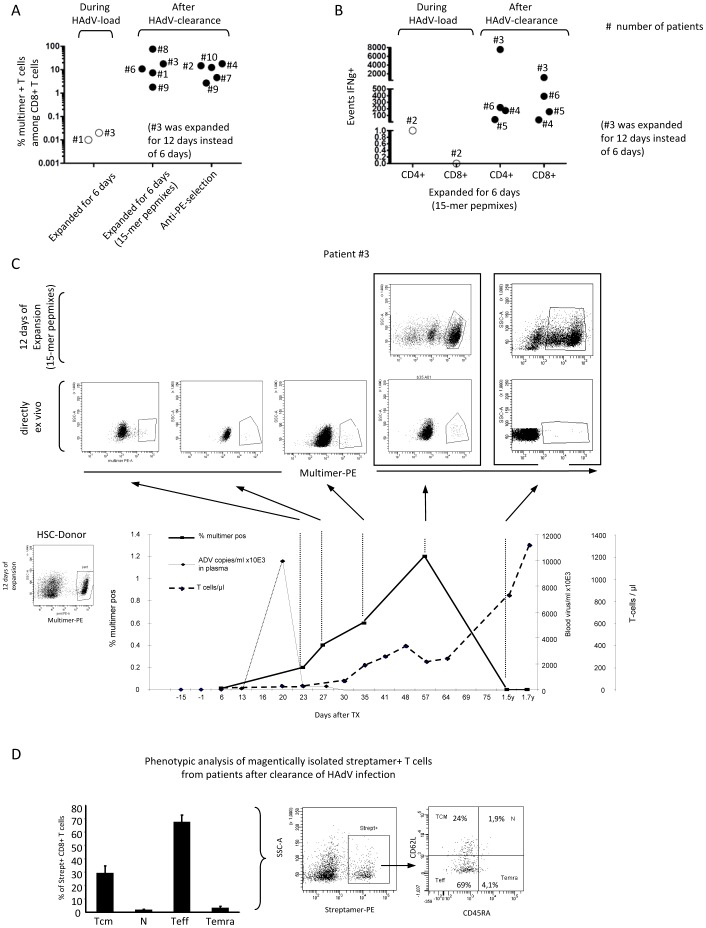
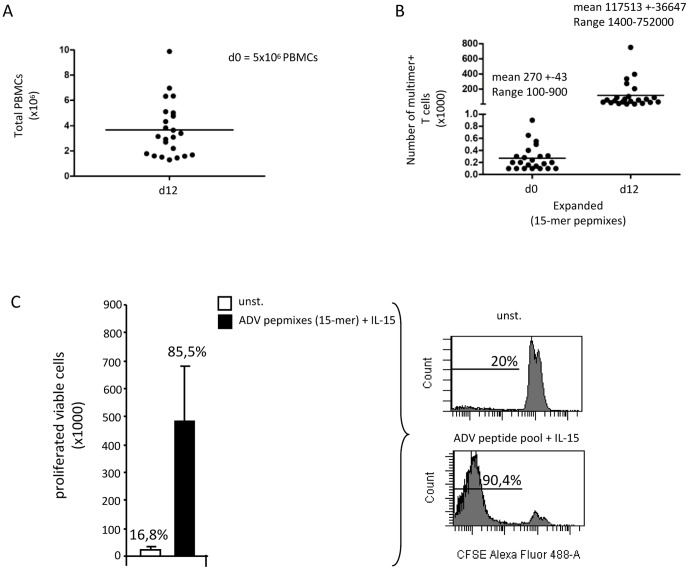
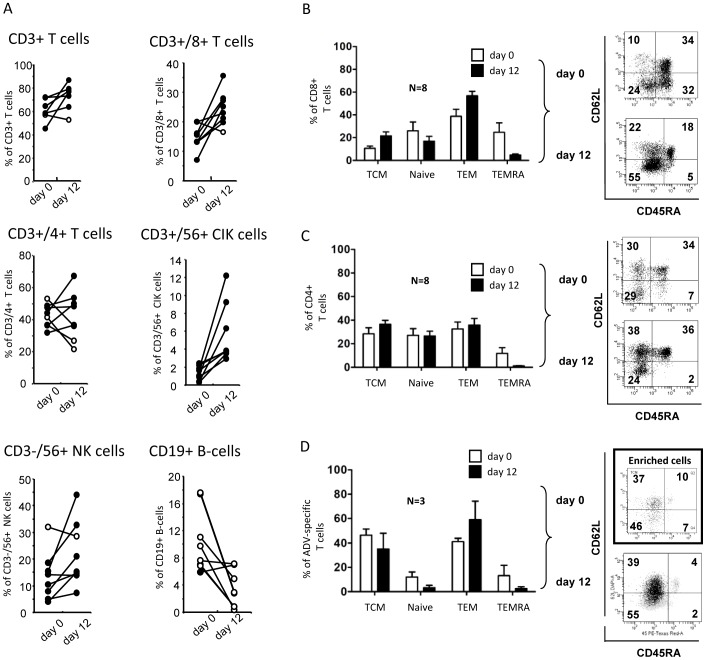
Adenoviral infections are a major cause of morbidity and mortality after allogeneic hematopoietic stem cell transplantation (HSCT) in pediatric patients. Adoptive transfer of donor-derived human adenovirus (HAdV)-specific T-cells represents a promising treatment option. However, the difficulty in identifying and selecting rare HAdV-specific T-cells, and the short time span between patients at high risk for invasive infection and viremia are major limitations. We therefore developed an IL-15-driven 6 to 12 day short-term protocol for in vitro detection of HAdV-specific T cells, as revealed by known MHC class I multimers and a newly identified adenoviral CD8 T-cell epitope derived from the E1A protein for the frequent HLA-type A*02∶01 and IFN-γ. Using this novel and improved diagnostic approach we observed a correlation between adenoviral load and reconstitution of CD8(+) and CD4(+) HAdV-specific T-cells including central memory cells in HSCT-patients. Adaption of the 12-day protocol to good manufacturing practice conditions resulted in a 2.6-log (mean) expansion of HAdV-specific T-cells displaying high cytolytic activity (4-fold) compared to controls and low or absent alloreactivity. Similar protocols successfully identified and rapidly expanded CMV-, EBV-, and BKV-specific T-cells. Our approach provides a powerful clinical-grade convertible tool for rapid and cost-effective detection and enrichment of multiple virus-specific T-cells that may facilitate broad clinical application.
Conflict of interest statement
Figures
References
-
- Lion T, Baumgartinger R, Watzinger F, Matthes-Martin S, Suda M, et al. (2003) Molecular monitoring of adenovirus in peripheral blood after allogeneic bone marrow transplantation permits early diagnosis of disseminated disease. Blood 102: 1114–1120. - PubMed
-
- Watcharananan SP, Kiertiburanakul S, Piyatuctsanawong W, Anurathapan U, Sungkanuparph S, et al. (2010) Cytomegalovirus, adenovirus, and polyomavirus co-infection among pediatric recipients of allogeneic stem cell transplantation: characteristics and outcome. Pediatr Transplant 14: 675–681. - PubMed
-
- George D, El-Mallawany NK, Jin Z, Geyer M, Della-Latta P, et al. (2012) Adenovirus infection in paediatric allogeneic stem cell transplantation recipients is a major independent factor for significantly increasing the risk of treatment related mortality. Br J Haematol 156: 99–108. - PubMed
-
- Schilham MW, Claas EC, van Zaane W, Heemskerk B, Vossen JM, et al. (2002) High levels of adenovirus DNA in serum correlate with fatal outcome of adenovirus infection in children after allogeneic stem-cell transplantation. Clin Infect Dis 35: 526–532. - PubMed
Publication types
MeSH terms
Substances
LinkOut - more resources
Full Text Sources
Other Literature Sources
Research Materials
