


Treatment of older patients with head and neck cancer: a review
- PMID: 23635557
- PMCID: PMC3662848
- DOI: 10.1634/theoncologist.2012-0427
Treatment of older patients with head and neck cancer: a review
Abstract
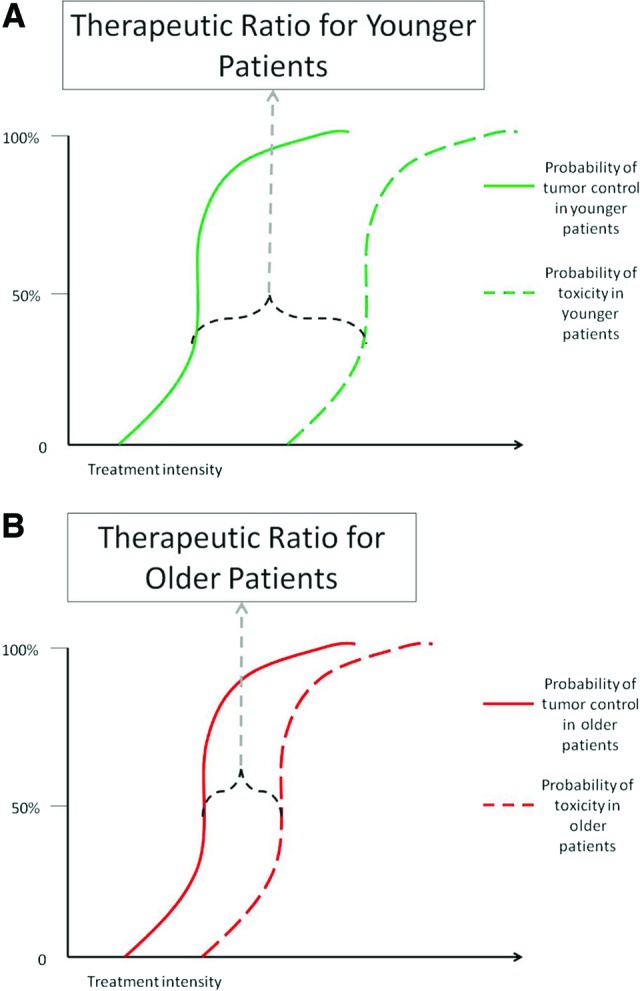
The incidence of head and neck cancer (HNC) in the elderly is increasing. The treatment of HNC often includes multimodality therapy that can be quite morbid. Older patients (herein, defined as ≥65 years) with HNC often have significant comorbidity and impaired functional status that may hinder their ability to receive and tolerate combined modality therapy. They have often been excluded from clinical trials that have defined standards of care. Therefore, tailoring cancer therapy for older patients with HNC can be quite challenging. In this paper, we performed a comprehensive literature review to better understand and discuss issues related to therapeutic recommendations that are particular to patients 65 years and older. Evidence suggests that older patients have similar survival outcomes compared with their younger peers; however, they may experience worse toxicity, especially with treatment intensification. Similarly, older patients may require more supportive care throughout the treatment process. Future studies incorporating geriatric tools for predictive and interventional purposes will potentially allow for improved patient selection and tolerance to intensive treatment.
Keywords: Aged; Geriatric oncology; Head and neck cancer; Multimodality therapy.
Conflict of interest statement
Disclosures of potential conflicts of interest may be found at the end of this article.
Figures
References
-
- Siegel R, Naishadham D, Jemal A. Cancer statistics, 2012. CA Cancer J Clin. 2012;62:10–29. - PubMed
-
- Patel SC, Carpenter WR, Tyree S, et al. Increasing incidence of oral tongue squamous cell carcinoma in young white women, age 18 to 44 years. J Clin Oncol. 2011;29:1488–1494. - PubMed
-
- National Cancer Institute. Surveillance, Epidemiology, and End Results Program. [Accessed April 30, 2011]. Available at http://www.seer.cancer.gov.
-
- Smith BD, Smith GL, Hurria A, et al. Future of cancer incidence in the United States: Burdens upon an aging, changing nation. J Clin Oncol. 2009;27:2758–2765. - PubMed
Publication types
MeSH terms
LinkOut - more resources
Full Text Sources
Other Literature Sources
Medical
