


Physical activity and physical activity induced energy expenditure in humans: measurement, determinants, and effects
- PMID: 23637685
- PMCID: PMC3636460
- DOI: 10.3389/fphys.2013.00090
Physical activity and physical activity induced energy expenditure in humans: measurement, determinants, and effects
Abstract
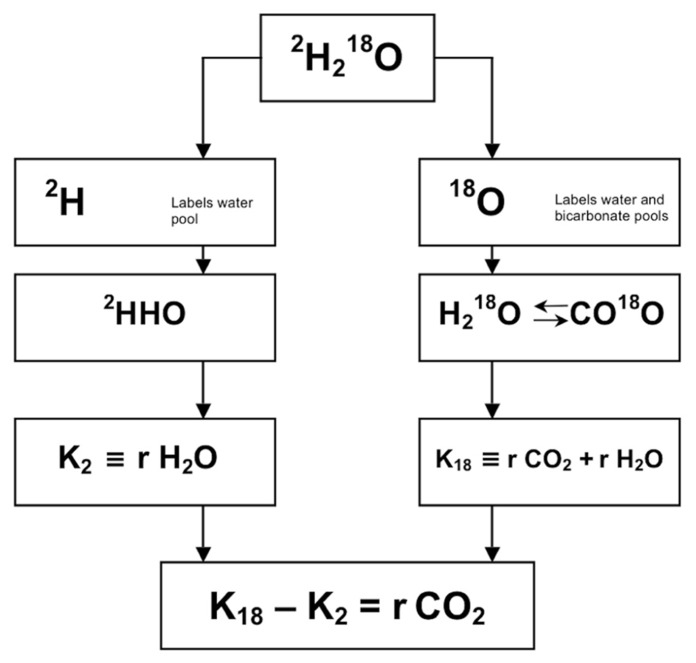
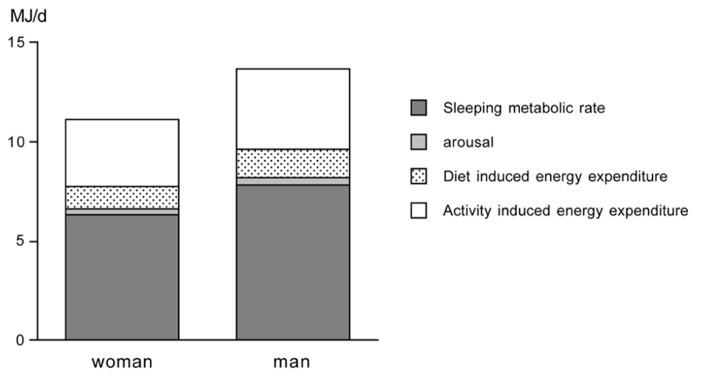
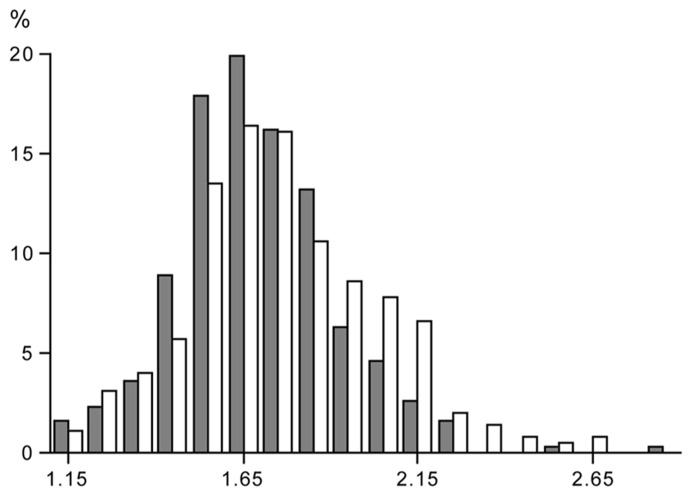
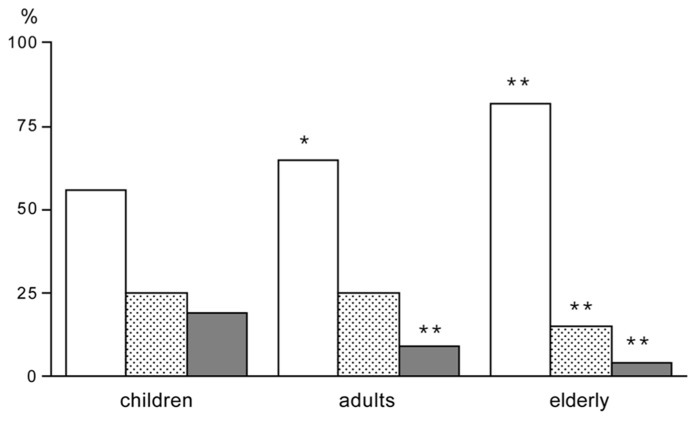
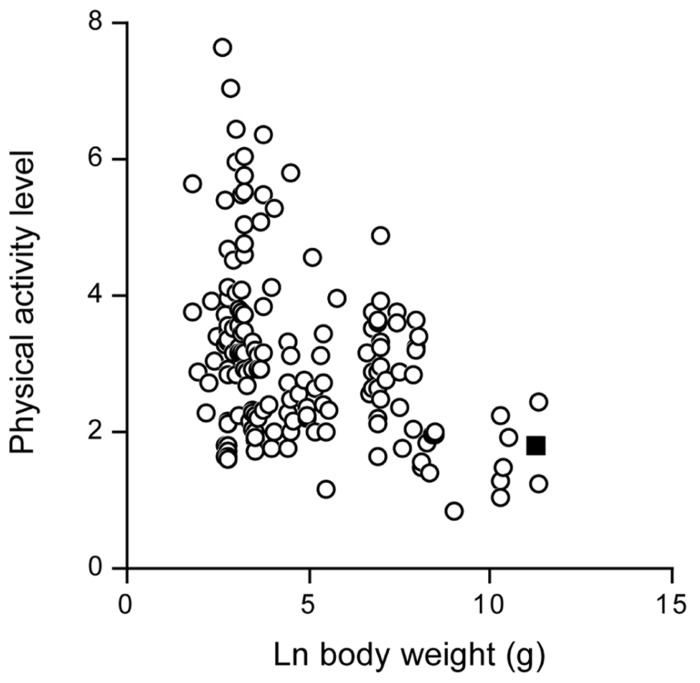
Physical activity is defined as any bodily movement produced by skeletal muscles that results in energy expenditure. The doubly labeled water method for the measurement of total energy expenditure (TEE), in combination with resting energy expenditure, is the reference for physical activity under free-living conditions. To compare the physical activity level (PAL) within and between species, TEE is divided by resting energy expenditure resulting in a figure without dimension. The PAL for sustainable lifestyles ranges between a minimum of 1.1-1.2 and a maximum of 2.0-2.5. The average PAL increases from 1.4 at age 1 year to 1.7-1.8 at reproductive age and declines again to 1.4 at age 90 year. Exercise training increases PAL in young adults when energy balance is maintained by increasing energy intake. Professional endurance athletes can reach PAL values around 4.0. Most of the variation in PAL between subjects can be ascribed to predisposition. A higher weight implicates higher movement costs and less body movement but not necessarily a lower PAL. Changes in physical activity primarily affect body composition and to a lesser extent body weight. Modern man has a similar PAL as a wild mammal of a similar body size.
Keywords: accelerometer; age; body composition; chronic disease; doubly labeled water; energy intake; exercise training; predisposition.
Figures
References
-
- Adriaens M. P. E., Schoffelen P. F. M., Westerterp K. R. (2003). Intra-individual variation of basal metabolic rate and the influence of physical activity before testing. Br. J. Nutr. 90 419–423 - PubMed
-
- Ainsli P. N., Campbell I. T., Frayn K. N., Humphreys S. M., MacLaren D. P. M., Reilly T., et al. (2002). Energy balance, metabolism, hydration, and performance during strenuous hill walking: the effect of age. J. Appl. Physiol. 93 714–723 - PubMed
-
- Bingham S. A., Goldberg G. R., Coward W. A., Prentice A. M., Cummings J. H. (1989). The effect of exercise and improved physical fitness on basal metabolic rate. Br. J. Nutr. 61 155–173 - PubMed
-
- Blaak E. E., Westerterp K. R., Bar-Or O., Wouters L. J. M, Saris W. H. M. (1992). Effect of training on total energy expenditure and spontaneous activity in obese boys. Am. J. Clin. Nutr. 55 777–782 - PubMed
LinkOut - more resources
Full Text Sources
Other Literature Sources
