


Composition of dietary fat source shapes gut microbiota architecture and alters host inflammatory mediators in mouse adipose tissue
- PMID: 23639897
- PMCID: PMC3812400
- DOI: 10.1177/0148607113486931
Composition of dietary fat source shapes gut microbiota architecture and alters host inflammatory mediators in mouse adipose tissue
Erratum in
- JPEN J Parenter Enteral Nutr. 2014 Mar-Apr;38(3):402
Abstract
Background: Growing evidence shows that dietary factors can dramatically alter the gut microbiome in ways that contribute to metabolic disturbance and progression of obesity. In this regard, mesenteric adipose tissue has been implicated in mediating these processes through the elaboration of proinflammatory adipokines. In this study, we examined the relationship of these events by determining the effects of dietary fat content and source on gut microbiota, as well as the effects on adipokine profiles of mesenteric and peripheral adipocytes.
Methods: Adult male C57Bl/6 mice were fed milk fat-based, lard-based (saturated fatty acid sources), or safflower oil (polyunsaturated fatty acid)-based high-fat diets for 4 weeks. Body mass and food consumption were measured. Stool 16S ribosomal RNA (rRNA) was isolated and analyzed via terminal restriction fragment length polymorphism as well as variable V3-4 sequence tags via next-generation sequencing. Mesenteric and gonadal adipose samples were analyzed for both lipogenic and inflammatory mediators via quantitative real-time polymerase chain reaction.
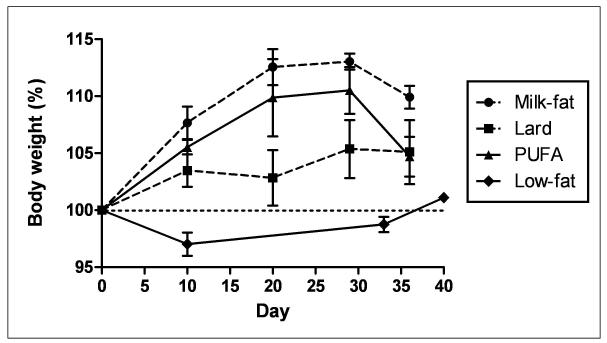
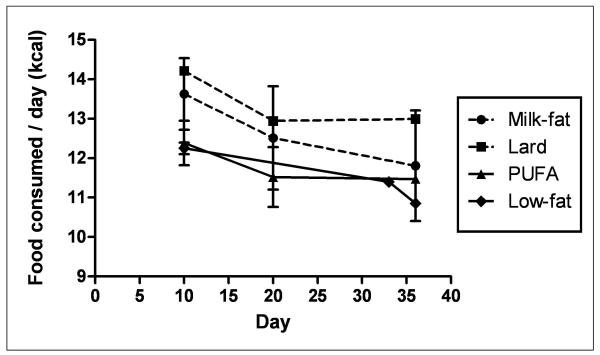
Results: High-fat feedings caused more weight gain with concomitant increases in caloric consumption relative to low-fat diets. In addition, each of the high-fat diets induced dramatic and specific 16S rRNA phylogenic profiles that were associated with different inflammatory and lipogenic mediator profiles of mesenteric and gonadal fat depots.
Conclusions: Our findings support the notion that dietary fat composition can both reshape the gut microbiota and alter host adipose tissue inflammatory/lipogenic profiles. They also demonstrate the interdependency of dietary fat source, commensal gut microbiota, and inflammatory profile of mesenteric fat that can collectively affect the host metabolic state.
Keywords: fatty acids; lipids; nutrition; obesity.
Figures

References
-
- Thivel D, Tremblay M, Chaput J-P. Modern Sedentary Behaviors Favor Energy Consumption in Children and Adolescents. Current Obesity Reports. :1–8.
-
- Cani PD, Bibiloni R, Knauf C, et al. Changes in Gut Microbiota Control Metabolic Endotoxemia-Induced Inflammation in High-Fat Diet Induced Obesity and Diabetes in Mice. Diabetes. 2008 Jun;57(6):1470–1481. 2008. - PubMed
-
- Scarpellini E, Tack J. Obesity and Metabolic Syndrome: An Inflammatory Condition. Digestive Diseases. 2012;30(2):148–153. - PubMed
-
- Wang X, Cheng M, Zhao M, et al. Differential effects of high-fat-diet rich in lard oil or soybean oil on osteopontin expression and inflammation of adipose tissue in diet-induced obese rats. Eur J Nutr. 2012 Jul 31; - PubMed
Publication types
MeSH terms
Substances
Grants and funding
LinkOut - more resources
Full Text Sources
Other Literature Sources
Medical
