


The safety and tolerability of newer antiepileptic drugs in children and adolescents
- PMID: 23650467
- PMCID: PMC3619554
- DOI: 10.4137/JCNSD.S5097
The safety and tolerability of newer antiepileptic drugs in children and adolescents
Abstract
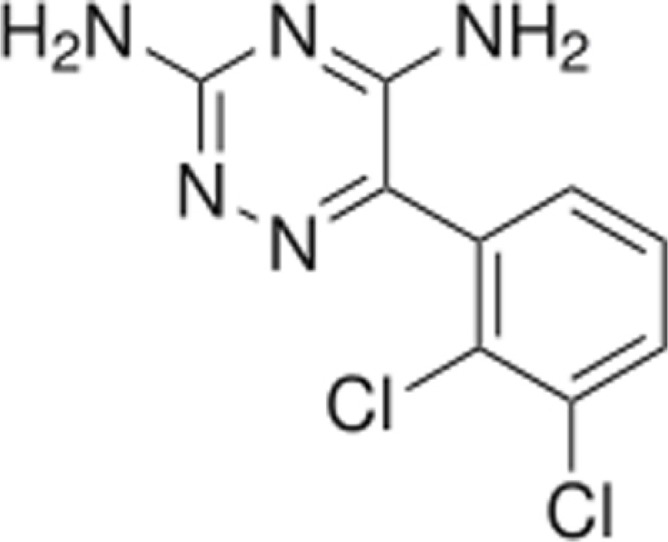
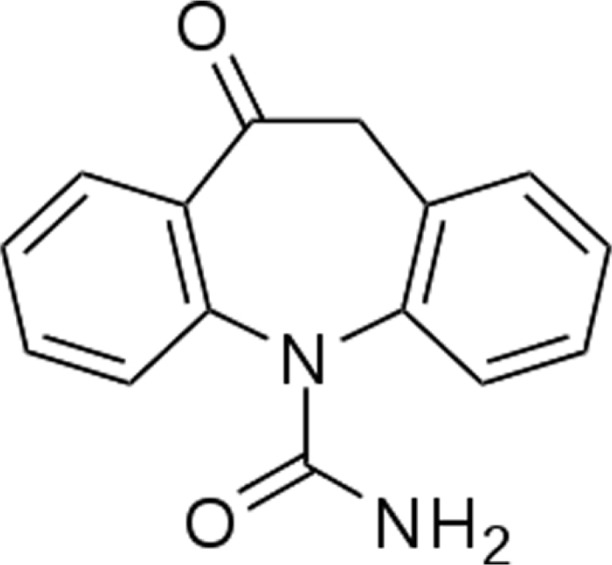
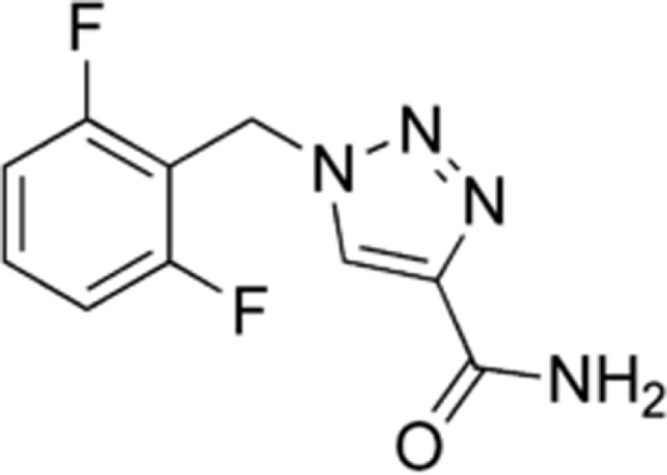
Childhood epilepsy continues to be intractable in more than 25% of patients diagnosed with epilepsy. The introduction of new anti-epileptic drugs (AEDs) provides more options for treatment of children with epilepsy. We review the safety and tolerability of seven new AEDs (levetiracetam, lamotrigine, oxcarbazepine, rufinamide, topiramate, vigabatrin and zonisamide) focusing on their side effect profiles and safety in children and adolescents. Many considerations that are specific for children such as the impact of AEDs on the developing brain are not addressed during the development of new AEDs. They are usually approved as adjunctive therapies based upon clinical trials involving adult patients with partial epilepsy. However, 2 of the AEDs reviewed here (rufinamide and vigabatrin) have FDA approval in the U.S. for specific Pediatric epilepsy syndromes, which are discussed below. The Pediatrician or Neurologists decision on the use of a new AED is an evolutionary process largely dependent on the patient characteristics, personal/peer experiences and literature about efficacy and safety profiles of these medications. Evidence based guidelines are limited due to a lack of randomized controlled trials involving pediatric patients for many of these new AEDs.
Keywords: new AEDs; pediatric epilepsy; safety; tolerability.




References
-
- 2009. Levetiracetam approved label. Food and Drug Administration.
-
- Vigevano F. Levetiracetam in pediatrics. Journal of Child Neurology. 2005 Feb;20(2):87–93. - PubMed
-
- Sirsi D, Safdieh JE. The safety of levetiracetam. Expert Opinion on Drug Safety. 2007 May;6(3):241–50. - PubMed
-
- Kugler SL. Behavioral profile of levetiracetam in children. Epilepsia. 2002;43(Suppl 7):1.
LinkOut - more resources
Full Text Sources
