


The biodiversity hypothesis and allergic disease: world allergy organization position statement
- PMID: 23663440
- PMCID: PMC3646540
- DOI: 10.1186/1939-4551-6-3
The biodiversity hypothesis and allergic disease: world allergy organization position statement
Abstract
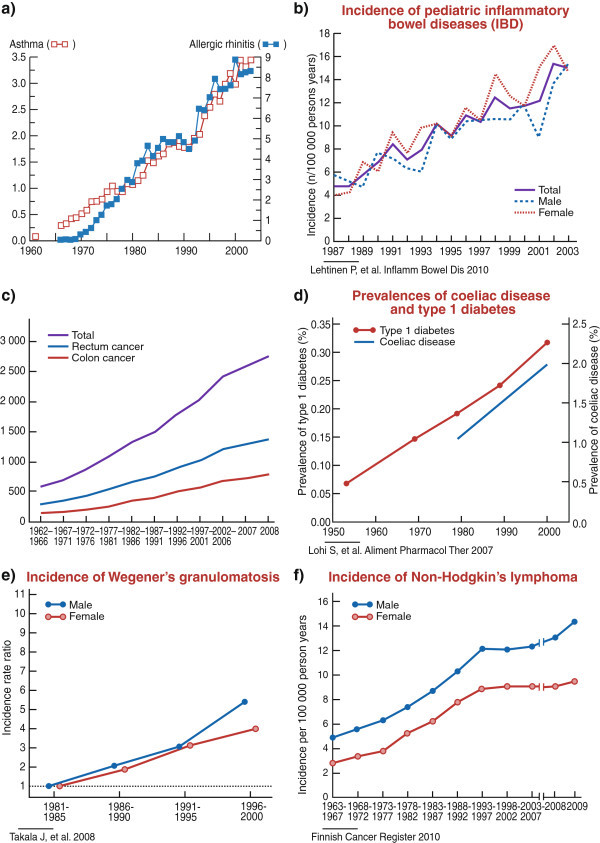
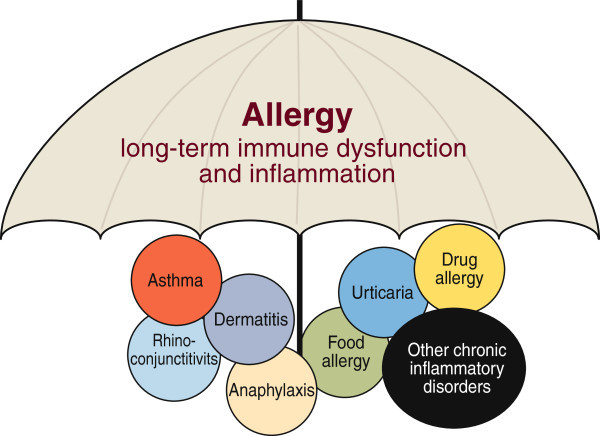
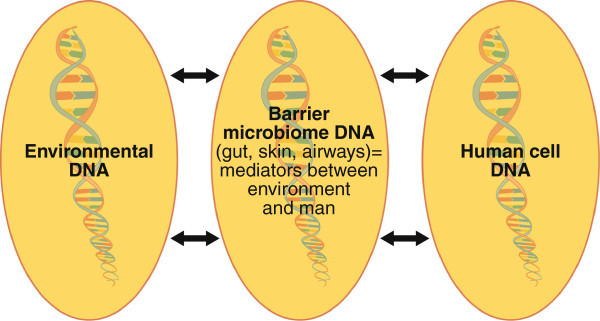
Biodiversity loss and climate change secondary to human activities are now being associated with various adverse health effects. However, less attention is being paid to the effects of biodiversity loss on environmental and commensal (indigenous) microbiotas. Metagenomic and other studies of healthy and diseased individuals reveal that reduced biodiversity and alterations in the composition of the gut and skin microbiota are associated with various inflammatory conditions, including asthma, allergic and inflammatory bowel diseases (IBD), type1 diabetes, and obesity. Altered indigenous microbiota and the general microbial deprivation characterizing the lifestyle of urban people in affluent countries appear to be risk factors for immune dysregulation and impaired tolerance. The risk is further enhanced by physical inactivity and a western diet poor in fresh fruit and vegetables, which may act in synergy with dysbiosis of the gut flora. Studies of immigrants moving from non-affluent to affluent regions indicate that tolerance mechanisms can rapidly become impaired in microbe-poor environments. The data on microbial deprivation and immune dysfunction as they relate to biodiversity loss are evaluated in this Statement of World Allergy Organization (WAO). We propose that biodiversity, the variability among living organisms from all sources are closely related, at both the macro- and micro-levels. Loss of the macrodiversity is associated with shrinking of the microdiversity, which is associated with alterations of the indigenous microbiota. Data on behavioural means to induce tolerance are outlined and a proposal made for a Global Allergy Plan to prevent and reduce the global allergy burden for affected individuals and the societies in which they live.
Figures


References
-
- von Hertzen L, Mäkelä MJ, Petäys T, Jousilahti P, Kosunen TU, Laatikainen T, Vartiainen E, Haahtela T. Growing disparities in atopy between the Finns and the Russians: a comparison of 2 generation. J Allergy Clin Immunol. 2006;6:151–157. - PubMed
-
- Kondrashova A, Reunanen A, Romanov A, Karvonen A, Viskari H, Vesikari T, Ilonen J, Knip M, HYöty H. A sixfold gradient in the incidence of type 1 diabetes at the eastren border of Finland. Ann Med. 2005;6:67–72. - PubMed
Grants and funding
LinkOut - more resources
Full Text Sources
Other Literature Sources
