


Prolonged running, not fluoxetine treatment, increases neurogenesis, but does not alter neuropathology, in the 3xTg mouse model of Alzheimer's disease
- PMID: 23670818
- PMCID: PMC4554490
- DOI: 10.1007/7854_2012_237
Prolonged running, not fluoxetine treatment, increases neurogenesis, but does not alter neuropathology, in the 3xTg mouse model of Alzheimer's disease
Abstract
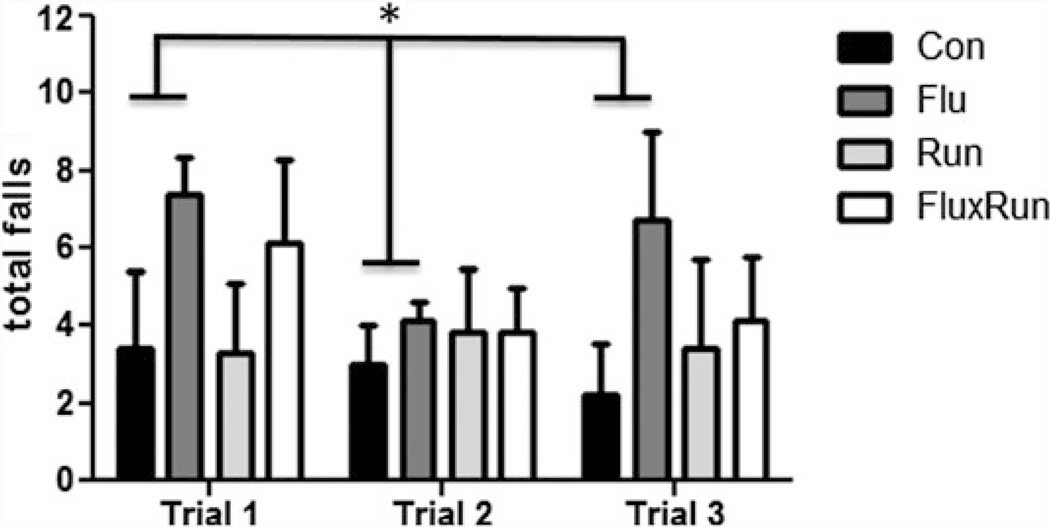
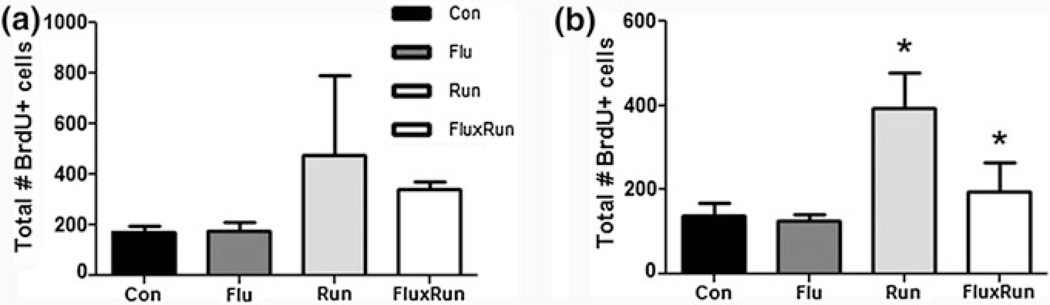
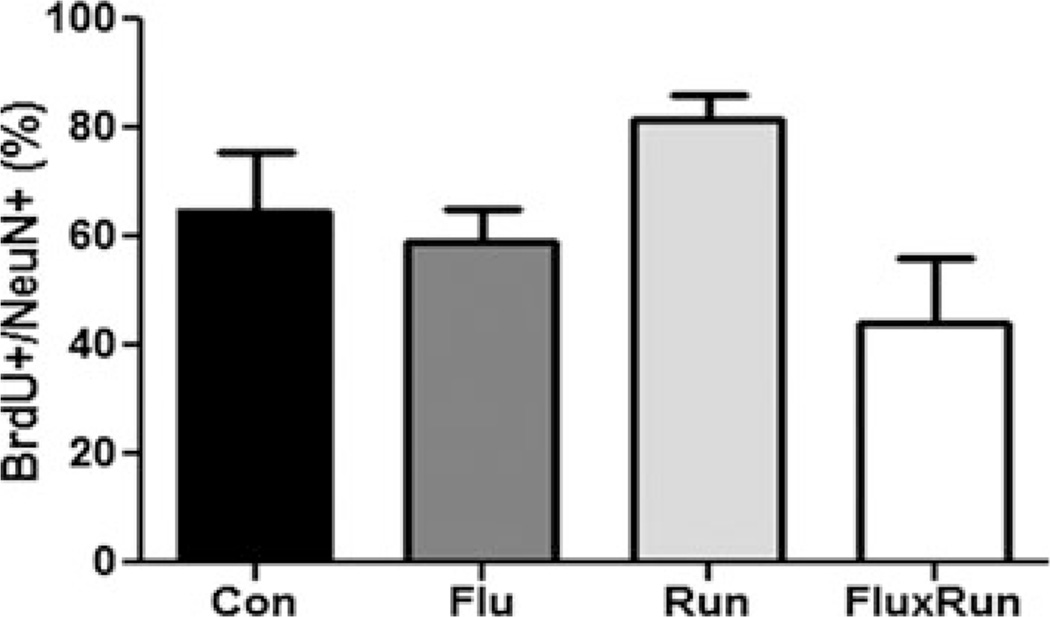
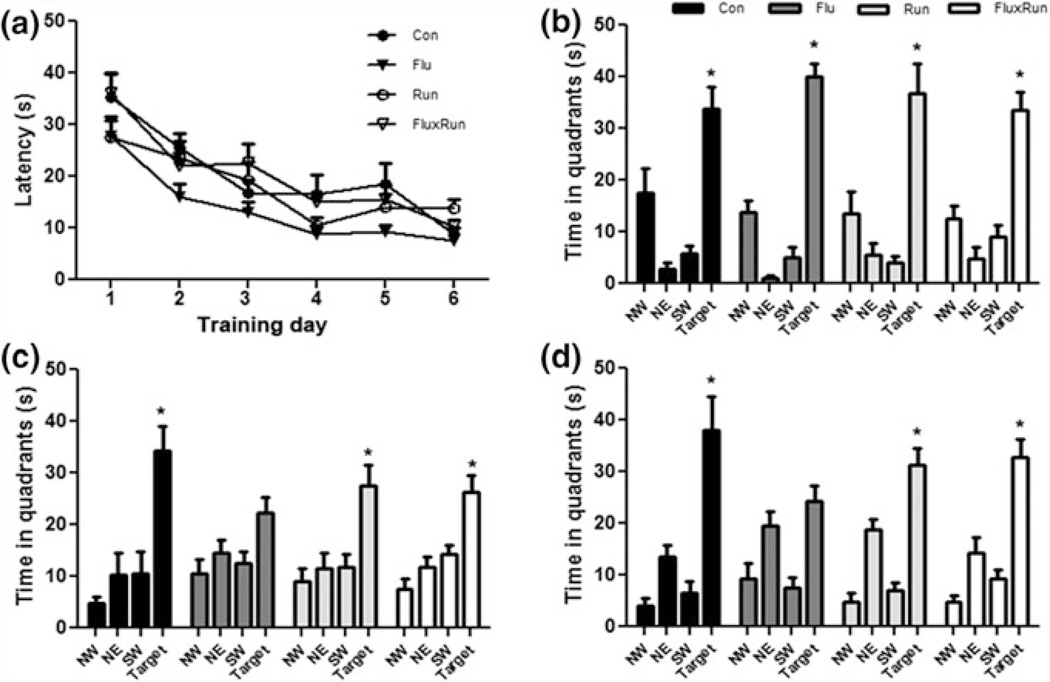
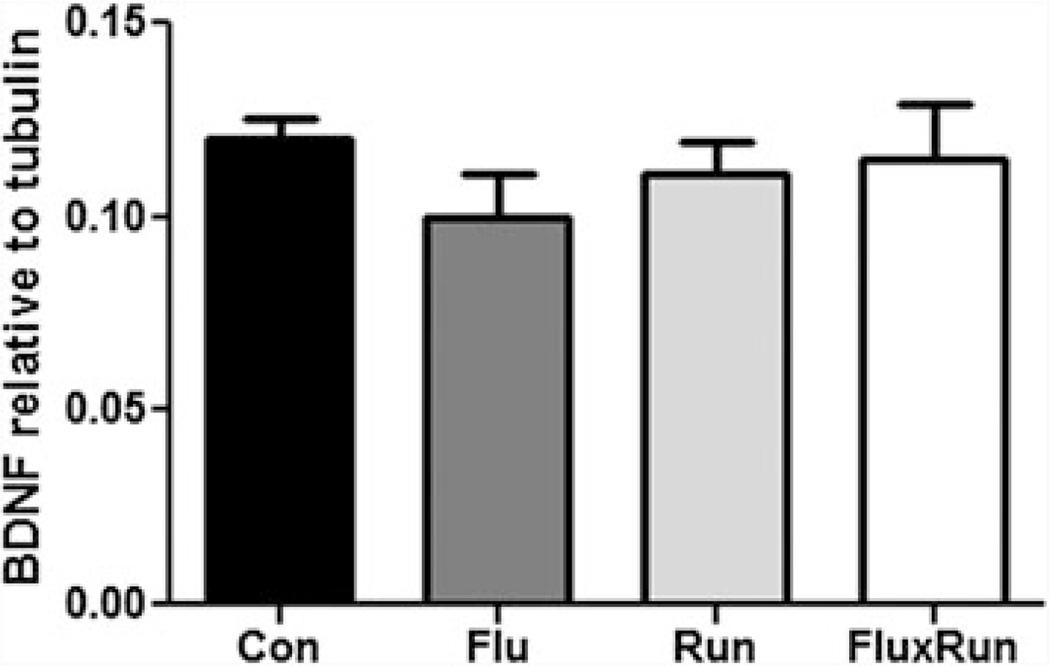
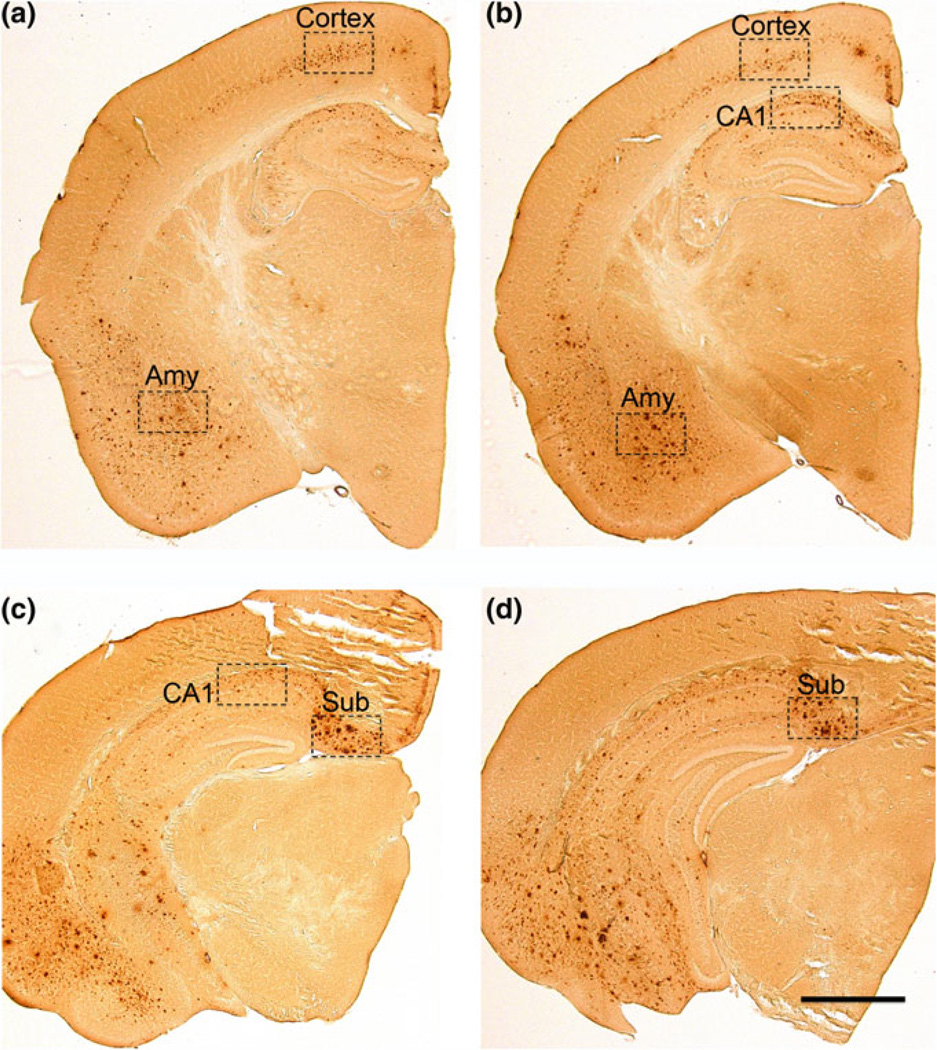
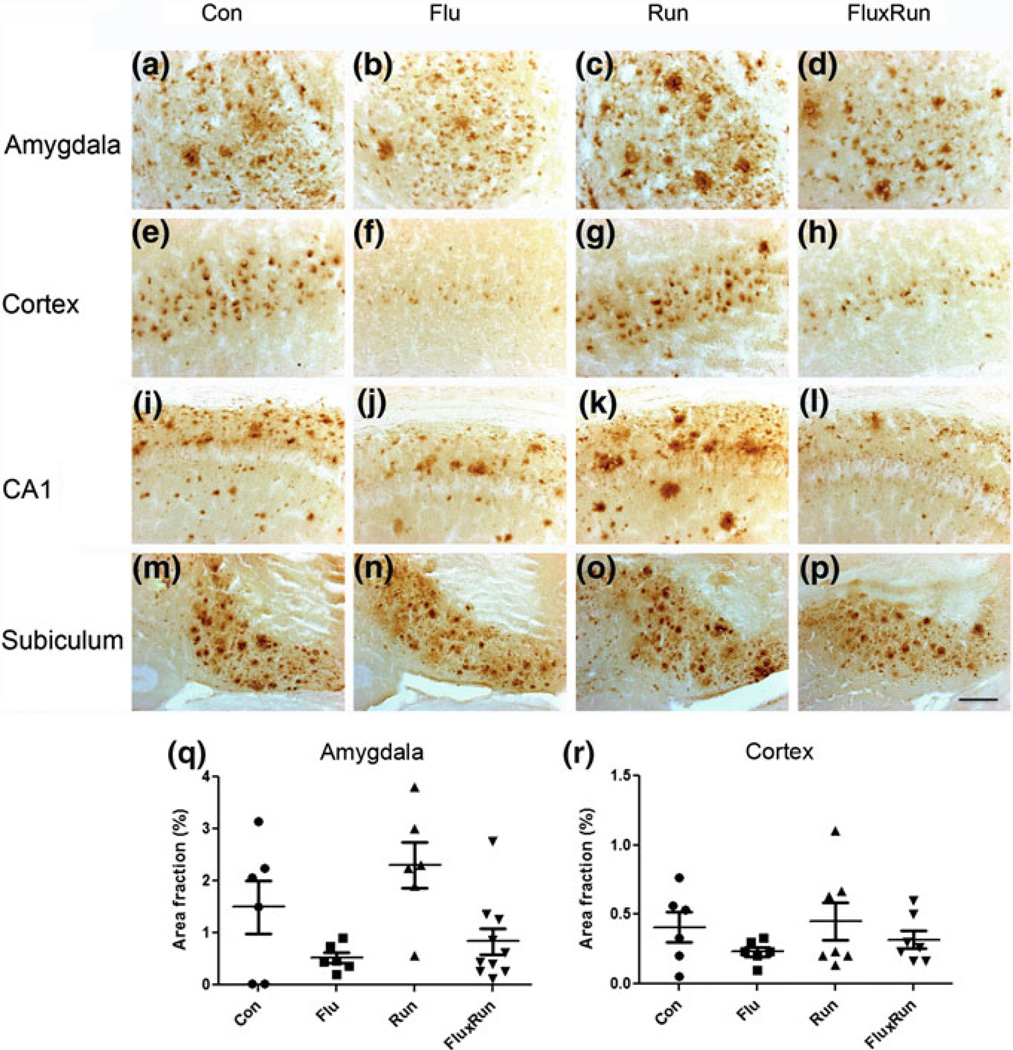
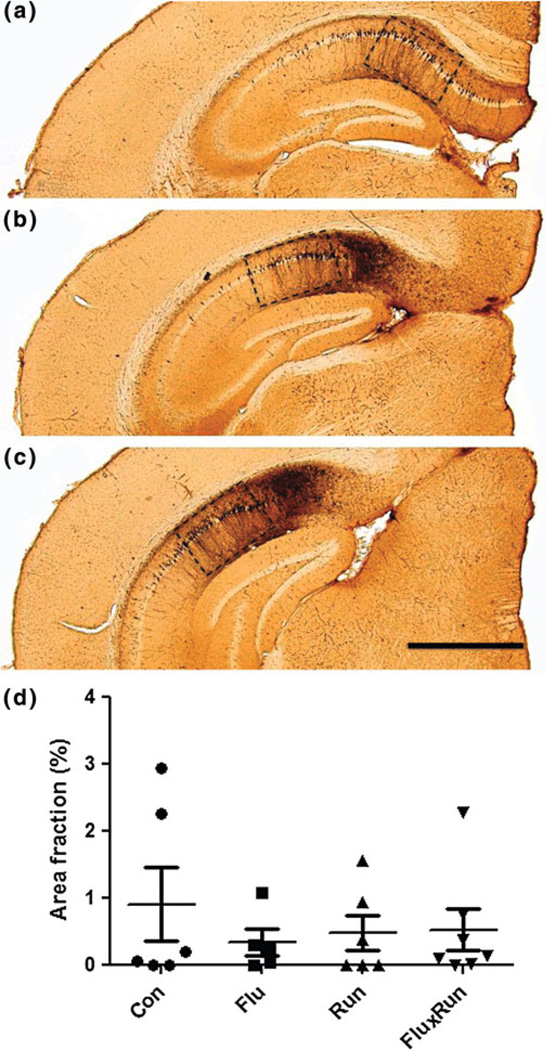
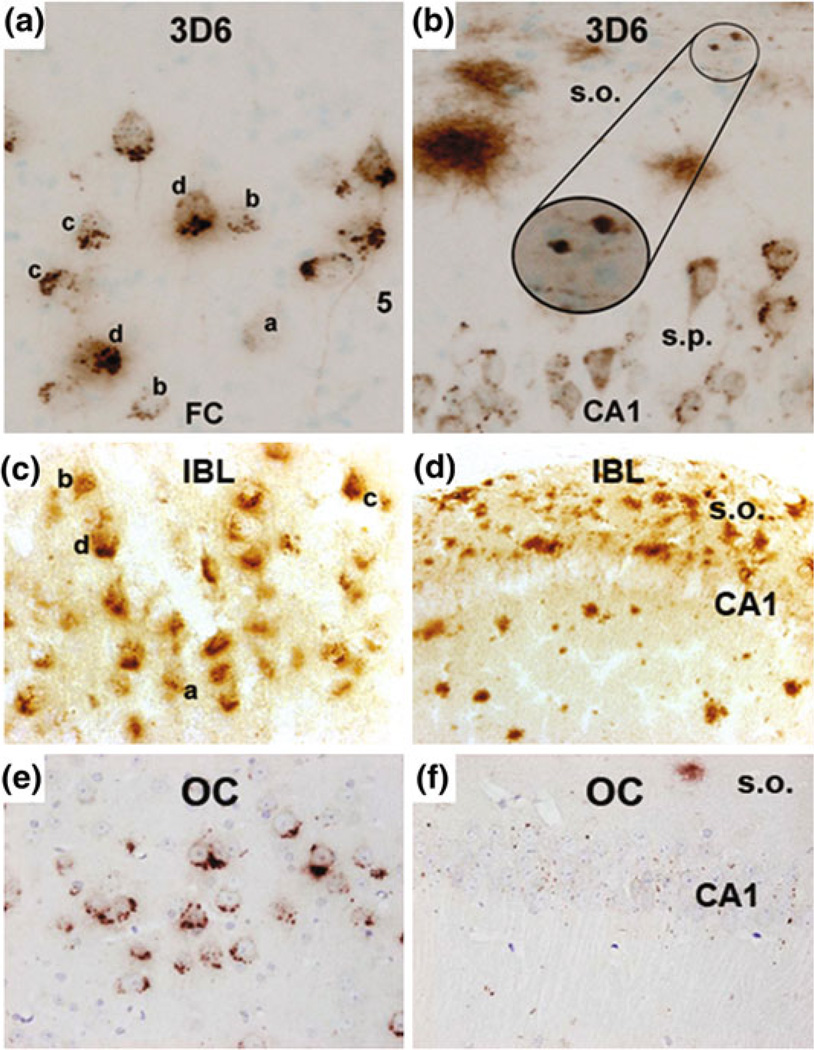
Reductions in adult neurogenesis have been documented in the original 3xTg mouse model of Alzheimer's disease (AD), notably occurring at the same age when spatial memory deficits and amyloid plaque pathology appeared. As this suggested reduced neurogenesis was associated with behavioral deficits, we tested whether activity and pharmacological stimulation could prevent memory deficits and modify neurogenesis and/or neuropathology in the 3xTg model backcrossed to the C57Bl/6 strain. We chronically administered the antidepressant fluoxetine to one group of mice, allowed access to a running wheel in another, and combined both treatments in a third cohort. All treatments lasted for 11 months. The female 3xTg mice failed to exhibit any deficits in spatial learning and memory as measured in the Morris water maze, indicating that when backcrossed to the C57Bl/6 strain, the 3xTg mice lost the behavioral phenotype that was present in the original 3xTg mouse maintained on a hybrid background. Despite this, the backcrossed 3xTg mice expressed prominent intraneuronal amyloid beta (Aβ) levels in the cortex and amygdala, with lower levels in the CA1 area of the hippocampus. In the combined cohort, fluoxetine treatment interfered with exercise and reduced the total distance run. The extent of Aβ neuropathology, the tau accumulations, or BDNF levels, were not altered by prolonged exercise. Thus, neuropathology was present but not paralleled by spatial memory deficits in the backcrossed 3xTg mouse model of AD. Prolonged exercise for 11 months did improve the long-term survival of newborn neurons generated during middle-age, whereas fluoxetine had no effect. We further review and discuss the relevant literature in this respect.
Figures
References
-
- Billings LM, Oddo S, Green KN, McGaugh JL, LaFerla FM. Intraneuronal Abeta causes the onset of early Alzheimer’s disease-related cognitive deficits in transgenic mice. Neuron. 2005;45(5):675–688. - PubMed
-
- Boekhoorn K, Joels M, Lucassen PJ. Increased proliferation reflects glial and vascular-associated changes, but not neurogenesis in the presenile Alzheimer hippocampus. Neurobiol Dis. 2006a;24(1):1–14. - PubMed
Publication types
MeSH terms
Substances
Grants and funding
LinkOut - more resources
Full Text Sources
Other Literature Sources
Medical
Research Materials
Miscellaneous
