


Immune recovery uveitis masked as an endogenous endophthalmitis in a patient with active CMV retinitis
- PMID: 23691386
- PMCID: PMC3638558
- DOI: 10.1155/2013/462968
Immune recovery uveitis masked as an endogenous endophthalmitis in a patient with active CMV retinitis
Abstract
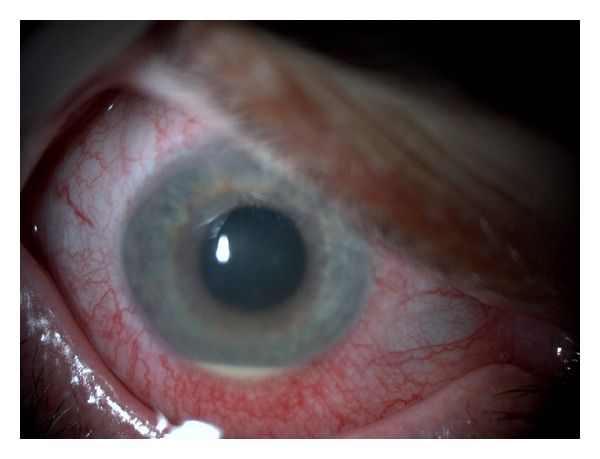
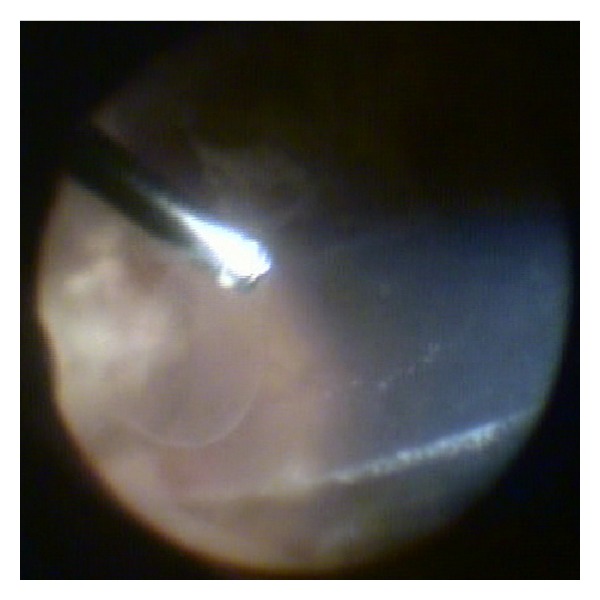
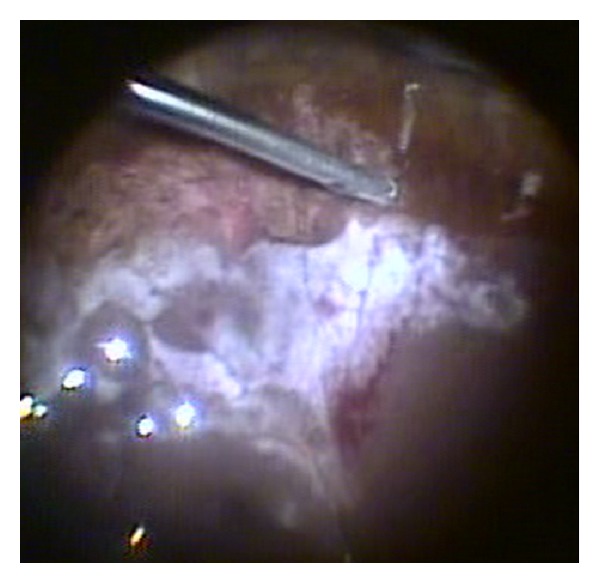
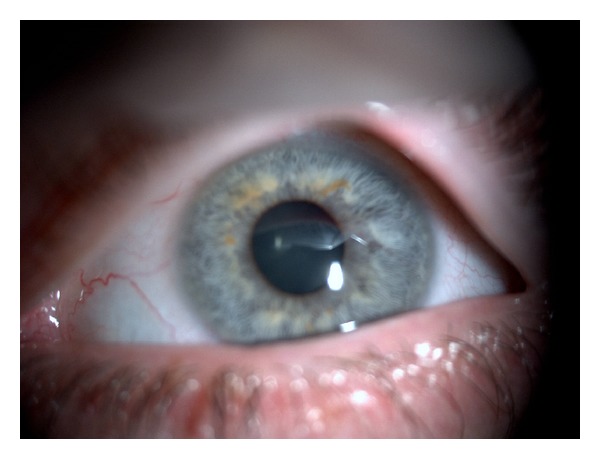
Cytomegalovirus (CMV) retinitis may occur in profoundly immunocompromised patients and be the initial AIDS-defining infection. The incidence and prevalence of CMV retinitis has declined substantially in the era of highly active antiretroviral therapy (HAART); nevertheless, it remains a leading cause of ocular morbility. We report the case of a 40-year-old man with blurred vision and pain in the right eye, three weeks after the initiation of effective HAART treatment. Ocular examination revealed a panuveitis causing an anterior chamber reaction with hypopyon and a dense vitreous haze. An endogenous endophthalmitis was suspected and treatment was ensued, without improvement. A vitreous tap was performed, and a positive polymerase chain reaction for CMV was found. A diagnosis of immune recovery uveitis (IRU) was made, and the patient responded to treatment with valganciclovir and dexamethasone. IRU is an intraocular inflammation that develops in patients with HAART-induced immune recovery and inactive CMV retinitis, although cases of active CMV retinitis have been described. Presentation with panuveitis and hypopion is rare and may be misleading regarding diagnosis and management.
Figures
References
-
- Canzano JC, Reed JB, Morse LS. Vitreomacular traction syndrome following highly active antiretroviral therapy in AIDS patients with cytomegalovirus retinitis. Retina. 1998;18(5):443–447. - PubMed
-
- Jabs DA, Holbrook JT, van Natta ML, et al. Risk factors for mortality in patients with AIDS in the era of highly active antiretroviral therapy. Ophthalmology. 2005;112(5):771–779. - PubMed
-
- Gallant JE, Moore RD, Richman DD, Keruly J, Chaisson RE. Incidence and natural history of cytomegalovirus disease in patients with advanced human immunodeficiency virus disease treated with zidovudine. Journal of Infectious Diseases. 1992;166(6):1223–1227. - PubMed
-
- Pertel P, Hirschtick R, Phair J, Chmiel J, Poggensee L, Murphy R. Risk of developing cytomegalovirus retinitis in persons infected with the human immunodeficiency virus. Journal of Acquired Immune Deficiency Syndromes. 1992;5(11):1069–1074. - PubMed
-
- Vrabec TR. Posterior segment manifestations of HIV/AIDS. Survey of Ophthalmology. 2004;49(2):131–157. - PubMed
LinkOut - more resources
Full Text Sources
Other Literature Sources
Miscellaneous
