


The comparative genomics of human respiratory syncytial virus subgroups A and B: genetic variability and molecular evolutionary dynamics
- PMID: 23698290
- PMCID: PMC3700225
- DOI: 10.1128/JVI.03278-12
The comparative genomics of human respiratory syncytial virus subgroups A and B: genetic variability and molecular evolutionary dynamics
Abstract
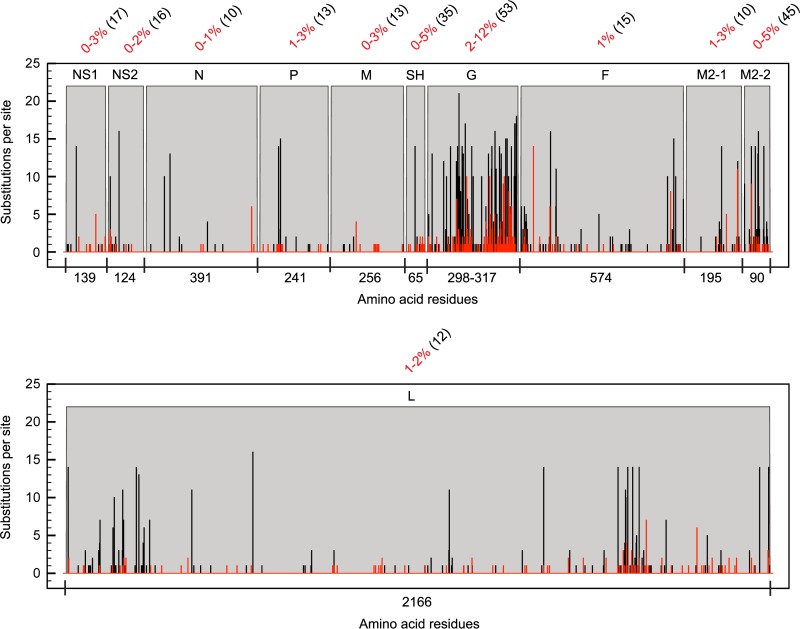
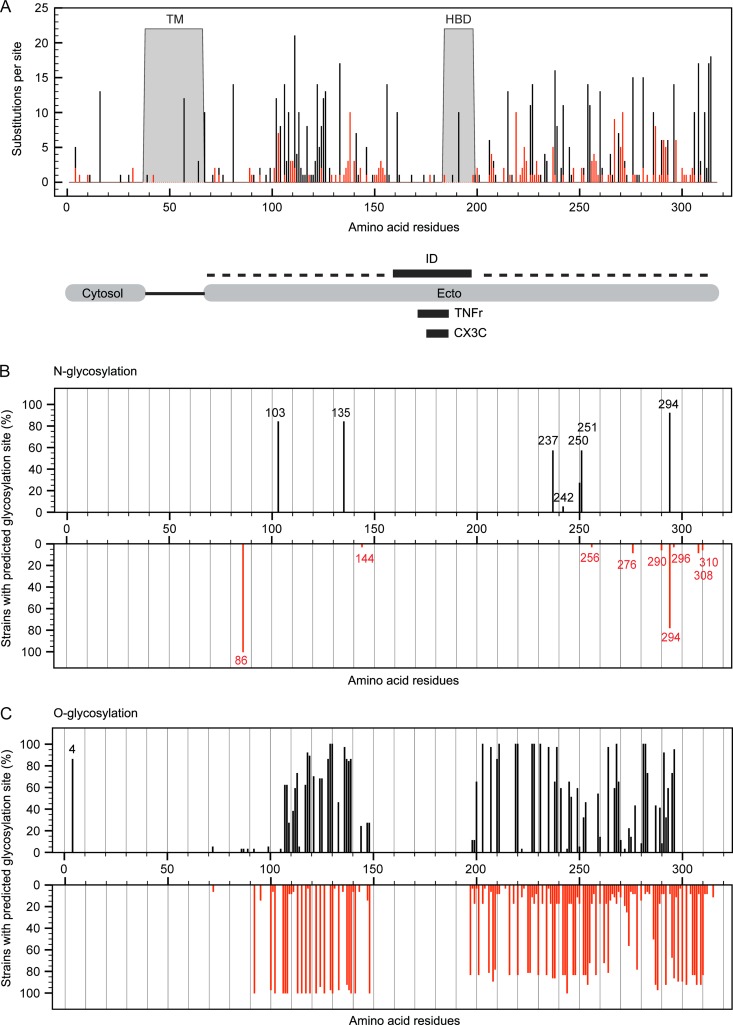
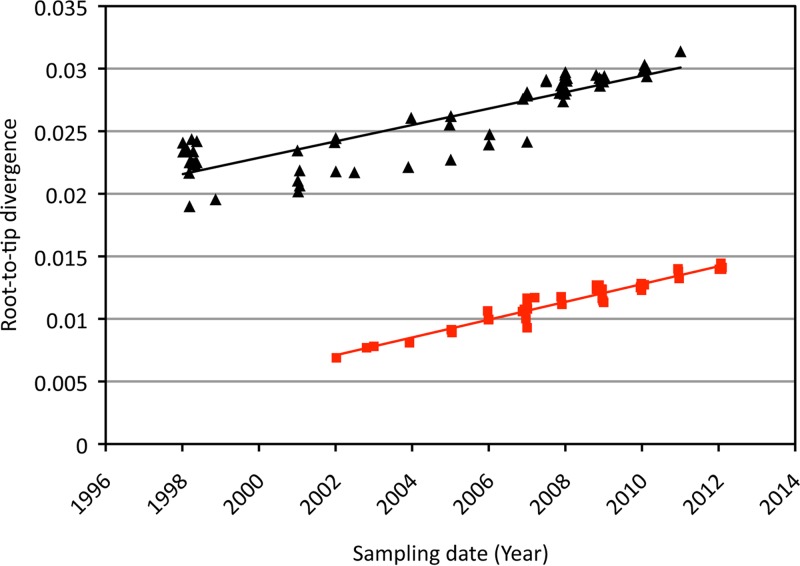
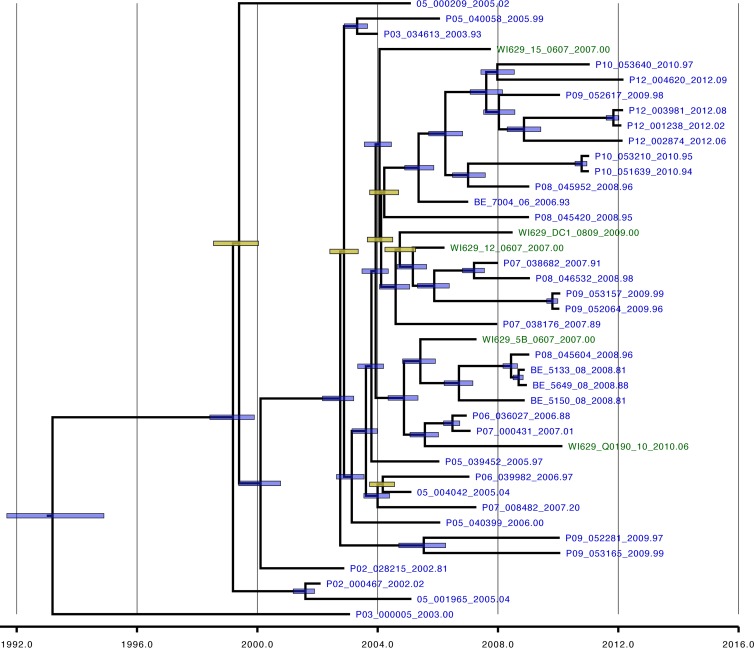
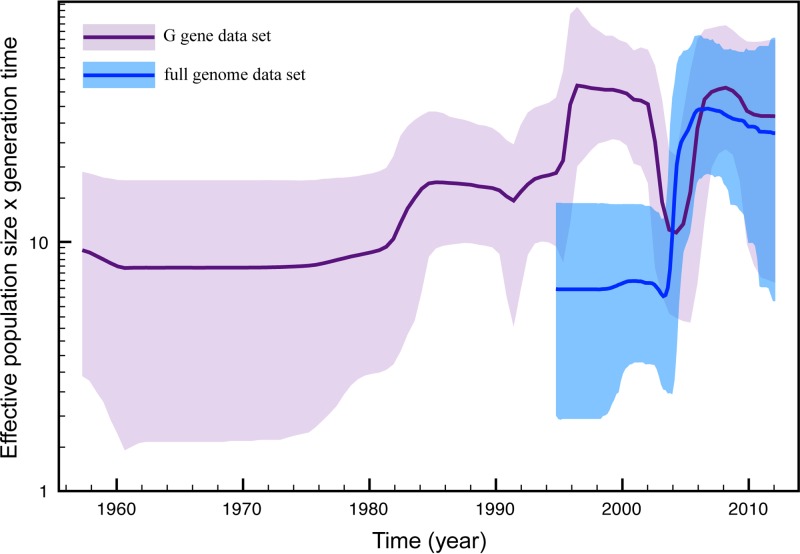
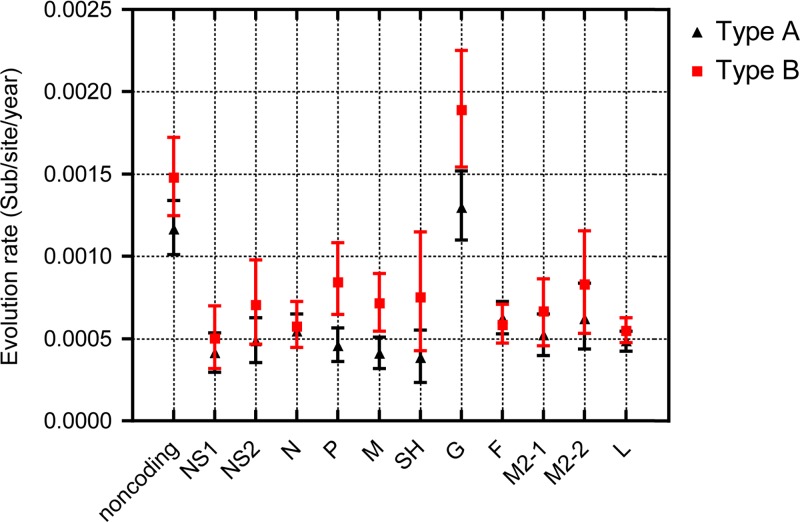
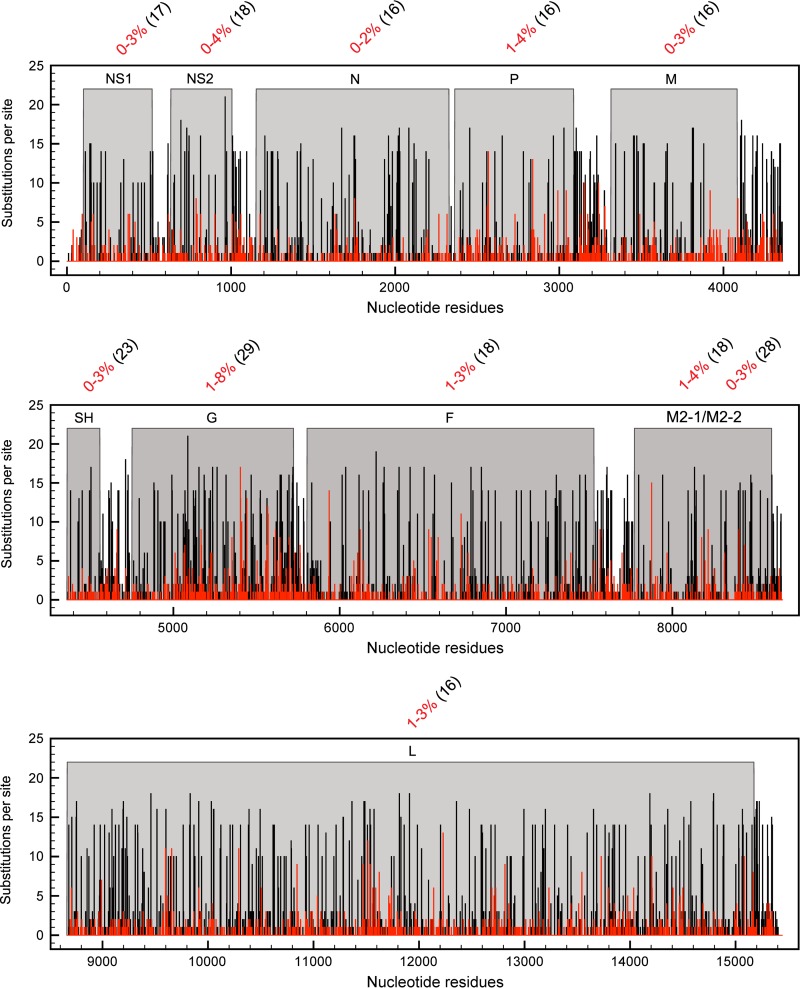
Genomic variation and related evolutionary dynamics of human respiratory syncytial virus (RSV), a common causative agent of severe lower respiratory tract infections, may affect its transmission behavior. RSV evolutionary patterns are likely to be influenced by a precarious interplay between selection favoring variants with higher replicative fitness and variants that evade host immune responses. Studying RSV genetic variation can reveal both the genes and the individual codons within these genes that are most crucial for RSV survival. In this study, we conducted genetic diversity and evolutionary rate analyses on 36 RSV subgroup B (RSV-B) whole-genome sequences. The attachment protein, G, was the most variable protein; accordingly, the G gene had a higher substitution rate than other RSV-B genes. Overall, less genetic variability was found among the available RSV-B genome sequences than among RSV-A genome sequences in a comparable sample. The mean substitution rates of the two subgroups were, however, similar (for subgroup A, 6.47 × 10(-4) substitutions/site/year [95% credible interval {CI 95%}, 5.56 × 10(-4) to 7.38 × 10(-4)]; for subgroup B, 7.76 × 10(-4) substitutions/site/year [CI 95%, 6.89 × 10(-4) to 8.58 × 10(-4)]), with the time to their most recent common ancestors (TMRCAs) being much lower for RSV-B (19 years) than for RSV-A (46.8 years). The more recent RSV-B TMRCA is apparently the result of a genetic bottleneck that, over longer time scales, is still compatible with neutral population dynamics. Whereas the immunogenic G protein seems to require high substitution rates to ensure immune evasion, strong purifying selection in conserved proteins such as the fusion protein and nucleocapsid protein is likely essential to preserve RSV viability.
Figures
References
-
- Henrickson KJ, Hoover S, Kehl KS, Hua W. 2004. National disease burden of respiratory viruses detected in children by polymerase chain reaction. Pediatr. Infect. Dis. J. 23:S11–S18 - PubMed
-
- Falsey AR, Hennessey PA, Formica MA, Cox C, Walsh EE. 2005. Respiratory syncytial virus infection in elderly and high-risk adults. N. Engl. J. Med. 352:1749–1759 - PubMed
-
- Han LL, Alexander JP, Anderson LJ. 1999. Respiratory syncytial virus pneumonia among the elderly: an assessment of disease burden. J. Infect. Dis. 179:25–30 - PubMed
-
- Nair H, Nokes DJ, Gessner BD, Dherani M, Madhi SA, Singleton RJ, O'Brien KL, Roca A, Wright PF, Bruce N, Chandran A, Theodoratou E, Sutanto A, Sedyaningsih ER, Ngama M, Munywoki PK, Kartasasmita C, Simoes EA, Rudan I, Weber MW, Campbell H. 2010. Global burden of acute lower respiratory infections due to respiratory syncytial virus in young children: a systematic review and meta-analysis. Lancet 375:1545–1555 - PMC - PubMed
Publication types
MeSH terms
LinkOut - more resources
Full Text Sources
Other Literature Sources
