


Mood disorders and complementary and alternative medicine: a literature review
- PMID: 23700366
- PMCID: PMC3660126
- DOI: 10.2147/NDT.S43419
Mood disorders and complementary and alternative medicine: a literature review
Abstract
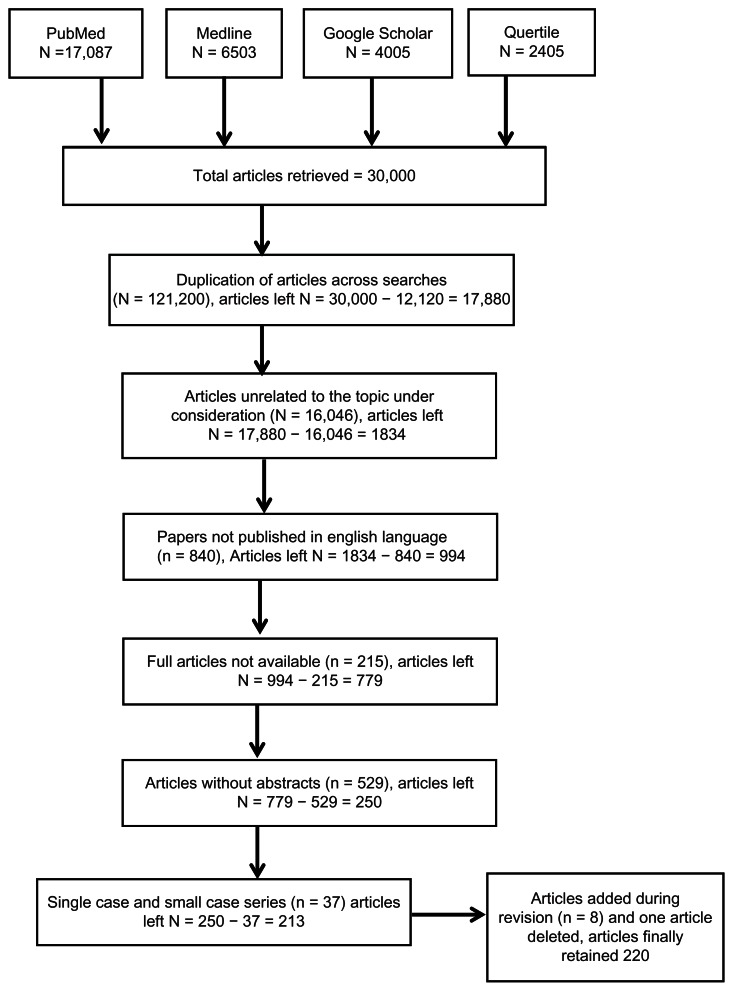
Mood disorders are a major public health problem and are associated with considerable burden of disease, suicides, physical comorbidities, high economic costs, and poor quality of life. Approximately 30%-40% of patients with major depression have only a partial response to available pharmacological and psychotherapeutic interventions. Complementary and alternative medicine (CAM) has been used either alone or in combination with conventional therapies in patients with mood disorders. This review of the literature examines evidence-based data on the use of CAM in mood disorders. A search of the PubMed, Medline, Google Scholar, and Quertile databases using keywords was conducted, and relevant articles published in the English language in the peer-reviewed journals over the past two decades were retrieved. Evidence-based data suggest that light therapy, St John's wort, Rhodiola rosea, omega-3 fatty acids, yoga, acupuncture, mindfulness therapies, exercise, sleep deprivation, and S-adenosylmethionine are effective in the treatment of mood disorders. Clinical trials of vitamin B complex, vitamin D, and methylfolate found that, while these were useful in physical illness, results were equivocal in patients with mood disorders. Studies support the adjunctive role of omega-3 fatty acids, eicosapentaenoic acid, and docosahexaenoic acid in unipolar and bipolar depression, although manic symptoms are not affected and higher doses are required in patients with resistant bipolar depression and rapid cycling. Omega-3 fatty acids are useful in pregnant women with major depression, and have no adverse effects on the fetus. Choline, inositol, 5-hydroxy-L-tryptophan, and N-acetylcysteine are effective adjuncts in bipolar patients. Dehydroepiandrosterone is effective both in bipolar depression and depression in the setting of comorbid physical disease, although doses should be titrated to avoid adverse effects. Ayurvedic and homeopathic therapies have the potential to improve symptoms of depression, although larger controlled trials are needed. Mind-body-spirit and integrative medicine approaches can be used effectively in mild to moderate depression and in treatment-resistant depression. Currently, although CAM therapies are not the primary treatment of mood disorders, level 1 evidence could emerge in the future showing that such treatments are effective.
Keywords: Ayurveda; complementary and alternative medicine; homeopathy; integrative medicine; mood disorders.
References
-
- World Health Organization. World Mental Health Survey Consortium: prevalence, severity and unmet need for treatment of mental disorders in WHO world mental health surveys. JAMA. 2004;291:2581–2590. - PubMed
-
- Fandino-Losada A, Forsell Y, Lundberg I. Demands, skill discretion, decision authority and social climate at work as determinants of major depression in a 3-year follow-up study. Int Arch Occup Environ Health. 2012 Jul 4; [Epub ahead of print.] - PubMed
LinkOut - more resources
Full Text Sources
Other Literature Sources
Miscellaneous
