


Pathogenic substitution of IVS15 + 5G > A in SLC26A4 in patients of Okinawa Islands with enlarged vestibular aqueduct syndrome or Pendred syndrome
- PMID: 23705809
- PMCID: PMC3664218
- DOI: 10.1186/1471-2350-14-56
Pathogenic substitution of IVS15 + 5G > A in SLC26A4 in patients of Okinawa Islands with enlarged vestibular aqueduct syndrome or Pendred syndrome
Abstract
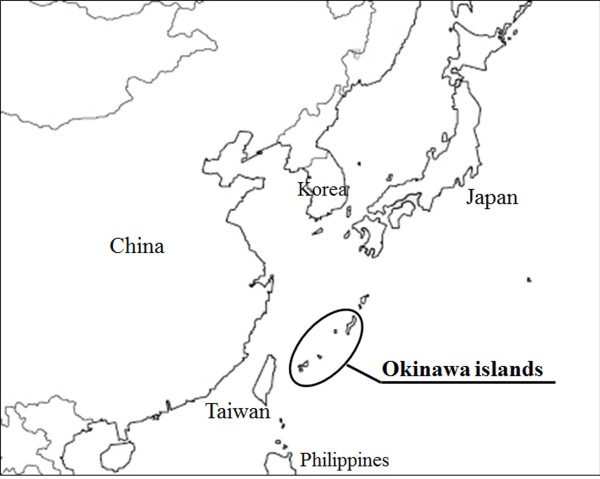
Background: Pendred syndrome (PS) and nonsyndromic hearing loss associated with enlarged vestibular aqueduct (EVA) are caused by SLC26A4 mutations. The Okinawa Islands are the southwestern-most islands of the Japanese archipelago. And ancestral differences have been reported between people from Okinawa Island and those from the main islands of Japan. To confirm the ethnic variation of the spectrum of SLC26A4 mutations, we investigated the frequencies of SLC26A4 mutations and clinical manifestations of patients with EVA or PS living in the Okinawa Islands.
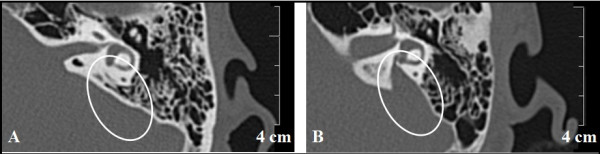
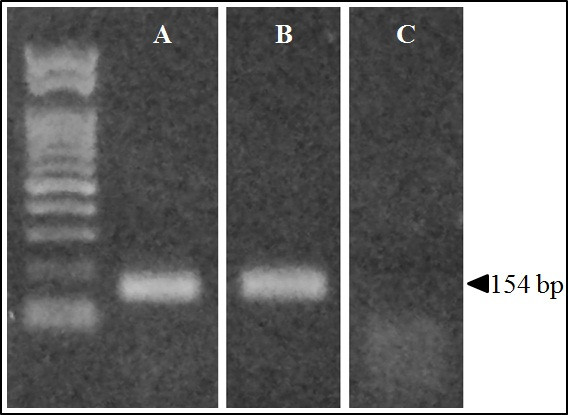
Methods: We examined 22 patients with EVA or PS from 21 unrelated families in Okinawa Islands. The patient's clinical history, findings of physical and otoscopic examinations, hearing test, and computed tomography (CT) scan of the temporal bones were recorded. To detect mutations, all 21 exons and the exon-intron junctions of SLC26A4 were sequenced for all subjects. Quantitative reverse-transcription polymerase chain reaction (qRT-PCR) for SLC26A4 and calculations using the comparative CT (2(-ΔΔCT)) method were used to determine the pathogenicity associated with gene substitutions.
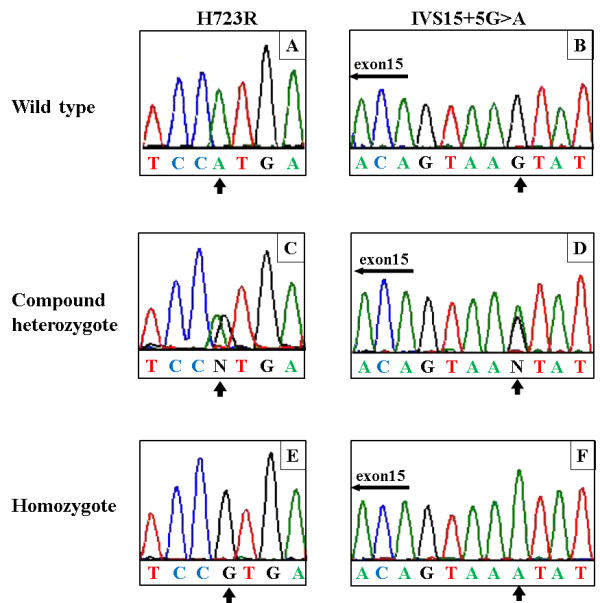
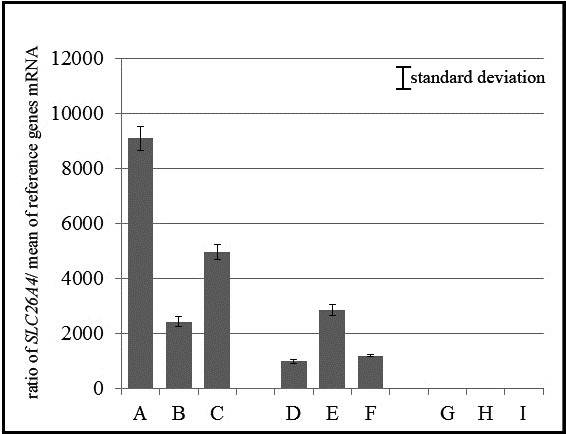
Results: SLC26A4 mutations were identified in 21 of the 22 patients. We found a compound heterozygous mutation for IVS15 + 5G > A/H723R in nine patients (41%), a homozygous substitution of IVS15 + 5G > A in six patients (27%), and homozygous mutation for H723R in five patients (23%). The most prevalent types of SLC26A4 alleles were IVS15 + 5G > A and H723R, which both accounted for 15/22 (68%) of the patients. There were no significant correlations between the types of SLC26A4 mutation and clinical manifestations. Based on qRT-PCR results, expression of SLC26A4 was not identified in patients with the homozygous substitution of IVS15 + 5G > A.
Conclusions: The substitution of IVS15 + 5G > A in SLC26A4 was the most common mutation in uniquely found in patients with PS and EVA in Okinawa Islands. This suggested that the spectrum of SLC26A4 mutation differed from main islands of Japan and other East Asian countries. The substitution of IVS15 + 5G > A leads to a loss of SLC26A expression and results in a phenotype of PS and EVA.
Figures
References
-
- Mehl AL, Thomson V. Newborn hearing screening: the great omission. Pediatrics. 1998;101:E4. - PubMed
Publication types
MeSH terms
Substances
Supplementary concepts
LinkOut - more resources
Full Text Sources
Other Literature Sources
