


Sleep, anxiety and fatigue in family members of patients admitted to the intensive care unit: a questionnaire study
- PMID: 23705988
- PMCID: PMC3706908
- DOI: 10.1186/cc12736
Sleep, anxiety and fatigue in family members of patients admitted to the intensive care unit: a questionnaire study
Abstract
Introduction: Family members of critically ill patients often experience increased incidence of physical and mental health issues. One of the first ways family members suffer is by losing sleep. The purpose of this study is to understand sleep quality, levels of fatigue and anxiety, and factors contributing to poor sleep in adult family members of critically ill patients.
Methods: A questionnaire was designed to evaluate sleep, fatigue and anxiety during the intensive care unit (ICU) admission. We incorporated three validated instruments: General Sleep Disturbance Scale (GSDS), Beck Anxiety Index (BAI) and Lee Fatigue Scale (NRS-F). Adult family members of patients in ICU for more than 24 hours were approached for questionnaire completion. Patient demographics were recorded.
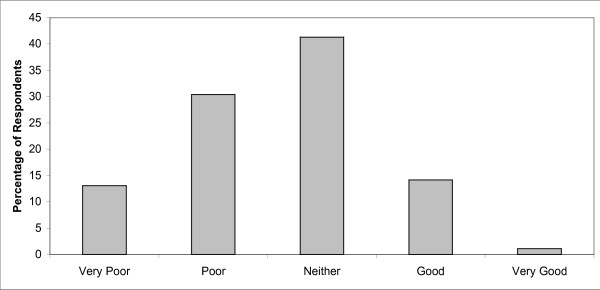
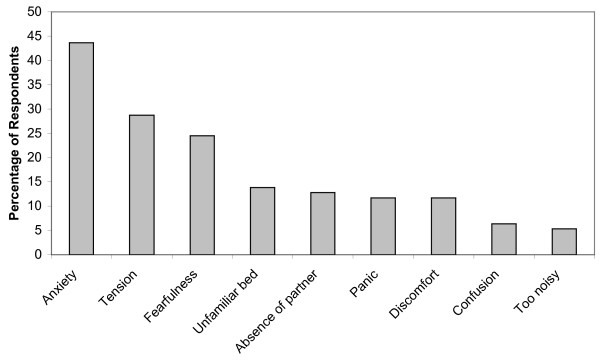
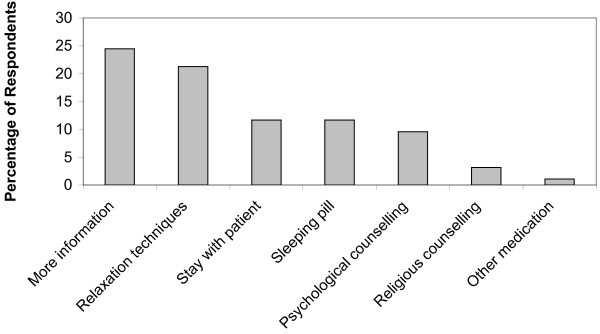
Results: The study population consisted of 94 respondents, (49.1 ± 12.9 years, 52.7% male); 43.6% were children and 21.3% were spouses of ICU patients. Sleep quality was rated as poor/very poor by 43.5% of respondents, and good/very good by 15.2%. The most common factors contributing to poor sleep were anxiety (43.6%), tension (28.7%) and fear (24.5%). Respondents' most common suggestions to improve sleep were more information regarding the patient's health (24.5%) and relaxation techniques (21.3%). Mean GSDS score was 38.2 ± 19.3, with 58.1% of respondents experiencing moderate to severe sleep disturbance. Mean BAI was 12.3 ± 10.2, with 20.7% of respondents experiencing moderate to severe anxiety. Mean NRS-F was 3.8 ± 2.5, with 57.6% of respondents experiencing moderate to high fatigue. Family members who spent one or more nights in the hospital had significantly higher GSDS, BAI and NRS-F scores. The patient's Acute Physiology and Chronic Health Evaluation (APACHE) II score at survey completion correlated significantly with family members' GSDS, BAI and NRS-F.
Conclusion: The majority of family members of ICU patients experience moderate to severe sleep disturbance and fatigue, and mild anxiety.
Figures
Comment in
-
Sleepless nights in the ICU: the awaken family.Crit Care. 2013 Oct 8;17(5):1003. doi: 10.1186/cc12781. Crit Care. 2013. PMID: 24099493 Free PMC article.
References
-
- Plowright CI. Needs of visitors in the intensive care unit. Br J Nurs. 1995;4:1081–1083. - PubMed
-
- Van Horn E, Tesh A. The effect of critical care hospitalization on family members: stress and responses. Dimens Crit Care Nurs. 2000;19:40–49. - PubMed
-
- Carter PA, Clark AP. Assessing and treating sleep problems in family caregivers of intensive care unit patients. Crit Care Nurse. 2005;25:16–23. - PubMed
MeSH terms
LinkOut - more resources
Full Text Sources
Other Literature Sources
Medical
