


The metabolomic window into hepatobiliary disease
- PMID: 23714158
- PMCID: PMC4095886
- DOI: 10.1016/j.jhep.2013.05.030
The metabolomic window into hepatobiliary disease
Abstract
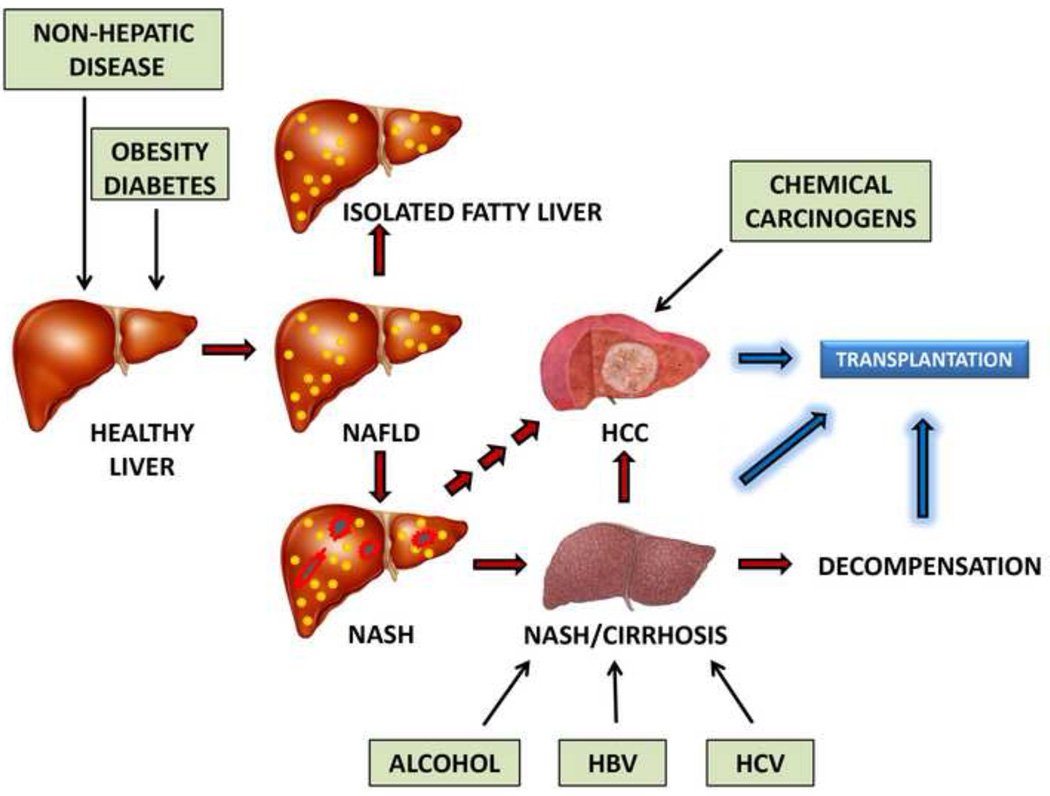
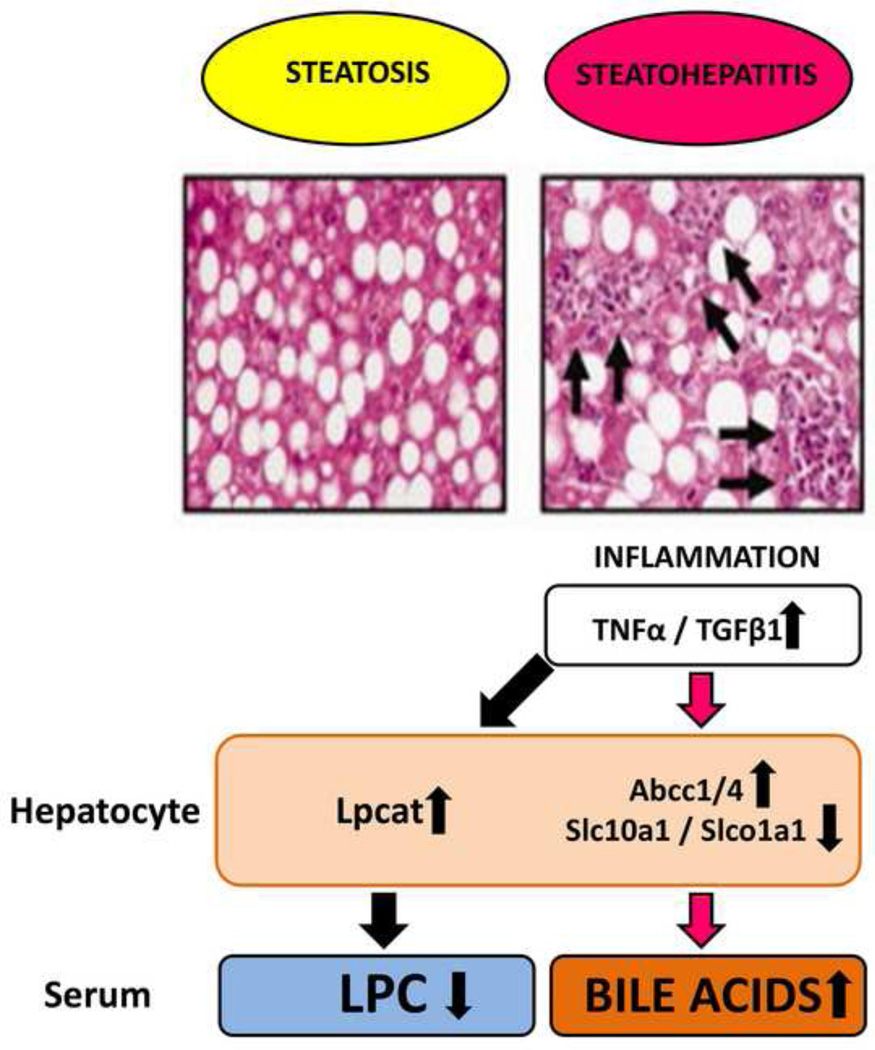
The emergent discipline of metabolomics has attracted considerable research effort in hepatology. Here we review the metabolomic data for non-alcoholic fatty liver disease (NAFLD), non-alcoholic steatohepatitis (NASH), cirrhosis, hepatocellular carcinoma (HCC), cholangiocarcinoma (CCA), alcoholic liver disease (ALD), hepatitis B and C, cholecystitis, cholestasis, liver transplantation, and acute hepatotoxicity in animal models. A metabolomic window has permitted a view into the changing biochemistry occurring in the transitional phases between a healthy liver and hepatocellular carcinoma or cholangiocarcinoma. Whether provoked by obesity and diabetes, alcohol use or oncogenic viruses, the liver develops a core metabolomic phenotype (CMP) that involves dysregulation of bile acid and phospholipid homeostasis. The CMP commences at the transition between the healthy liver (Phase 0) and NAFLD/NASH, ALD or viral hepatitis (Phase 1). This CMP is maintained in the presence or absence of cirrhosis (Phase 2) and whether or not either HCC or CCA (Phase 3) develops. Inflammatory signalling in the liver triggers the appearance of the CMP. Many other metabolomic markers distinguish between Phases 0, 1, 2 and 3. A metabolic remodelling in HCC has been described but metabolomic data from all four Phases demonstrate that the Warburg shift from mitochondrial respiration to cytosolic glycolysis foreshadows HCC and may occur as early as Phase 1. The metabolic remodelling also involves an upregulation of fatty acid β-oxidation, also beginning in Phase 1. The storage of triglycerides in fatty liver provides high energy-yielding substrates for Phases 2 and 3 of liver pathology. The metabolomic window into hepatobiliary disease sheds new light on the systems pathology of the liver.
Keywords: Cirrhosis; Core metabolomic phenotype; Hepatocellular carcinoma; Metabolic remodelling; Metabolomics; NAFLD; NASH; Warburg effect.
Copyright © 2013 European Association for the Study of the Liver. Published by Elsevier B.V. All rights reserved.
Figures


References
-
- Torres DM, Williams CD, Harrison SA. Features, diagnosis, and treatment of nonalcoholic fatty liver disease. Clin Gastroenterol Hepatol. 2012;10:837–858. - PubMed
-
- Vinaixa M, Rodriguez MA, Rull A, Beltran R, Blade C, Brezmes J, et al. Metabolomic assessment of the effect of dietary cholesterol in the progressive development of fatty liver disease. J Proteome Res. 2010;9:2527–2538. - PubMed
-
- van Ginneken V, Verhey E, Poelmann R, Ramakers R, van Dijk KW, Ham L, et al. Metabolomics (liver and blood profiling) in a mouse model in response to fasting: a study of hepatic steatosis. Biochim Biophys Acta. 2007;1771:1263–1270. - PubMed
Publication types
MeSH terms
Grants and funding
LinkOut - more resources
Full Text Sources
Other Literature Sources
Medical
