National estimates of emergency department visits for pediatric severe sepsis in the United States
- PMID: 23717801
- PMCID: PMC3661074
- DOI: 10.7717/peerj.79
National estimates of emergency department visits for pediatric severe sepsis in the United States
Abstract
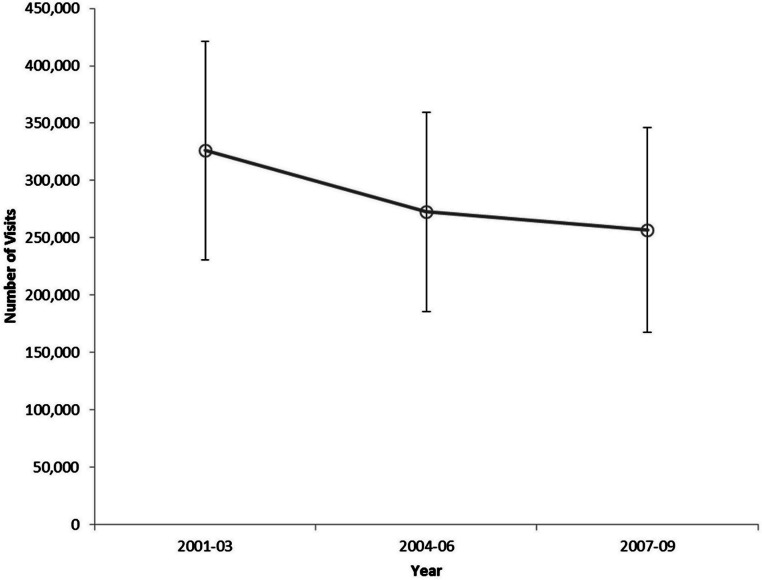
Objective. We sought to determine the characteristics of children presenting to United States (US) Emergency Departments (ED) with severe sepsis. Study design. Cross-sectional analysis using data from the National Hospital Ambulatory Medical Care Survey (NHAMCS). Using triage vital signs and ED diagnoses (defined by the International Classification of Diseases, Ninth Revision codes), we identified children <18 years old presenting with both infection (triage fever or ICD-9 infection) and organ dysfunction (triage hypotension or ICD-9 organ dysfunction). Results. Of 28.2 million pediatric patients presenting to US EDs each year, severe sepsis was present in 95,055 (0.34%; 95% CI: 0.29-0.39%). Fever and respiratory infection were the most common indicators of an infection. Hypotension and respiratory failure were the most common indicators of organ dysfunction. Most severe sepsis occurred in children ages 31 days-1 year old (32.1%). Most visits for pediatric severe sepsis occurred during winter months (37.4%), and only 11.1% of patients arrived at the ED by ambulance. Over half of severe sepsis cases were self-pay or insured by Medicaid. A large portion (44.1%) of pediatric severe sepsis ED visits occurred in the South census region. ED length of stay was over 3 h, and 16.5% were admitted to the hospital. Conclusion. Nearly 100,000 children annually present to US EDs with severe sepsis. The findings of this study highlight the unique characteristics of children treated in the ED for severe sepsis.
Keywords: Cross-sectional; Emergency department; Epidemiology; Pediatrics; Sepsis.
Figures
References
Grants and funding
LinkOut - more resources
Full Text Sources
Other Literature Sources