. 2013 May 28;8(5):e64730.
doi: 10.1371/journal.pone.0064730. Print 2013.

Alpha-particle emitting 213Bi-anti-EGFR immunoconjugates eradicate tumor cells independent of oxygenation

Affiliations

Alpha-particle emitting 213Bi-anti-EGFR immunoconjugates eradicate tumor cells independent of oxygenation

Christian Wulbrand et al. PLoS One. .

Abstract

Hypoxia is a central problem in tumor treatment because hypoxic cells are less sensitive to chemo- and radiotherapy than normoxic cells. Radioresistance of hypoxic tumor cells is due to reduced sensitivity towards low Linear Energy Transfer (LET) radiation. High LET α-emitters are thought to eradicate tumor cells independent of cellular oxygenation. Therefore, the aim of this study was to demonstrate that cell-bound α-particle emitting (213)Bi immunoconjugates kill hypoxic and normoxic CAL33 tumor cells with identical efficiency. For that purpose CAL33 cells were incubated with (213)Bi-anti-EGFR-MAb or irradiated with photons with a nominal energy of 6 MeV both under hypoxic and normoxic conditions. Oxygenation of cells was checked via the hypoxia-associated marker HIF-1α. Survival of cells was analysed using the clonogenic assay. Cell viability was monitored with the WST colorimetric assay. Results were evaluated statistically using a t-test and a Generalized Linear Mixed Model (GLMM). Survival and viability of CAL33 cells decreased both after incubation with increasing (213)Bi-anti-EGFR-MAb activity concentrations (9.25 kBq/ml-1.48 MBq/ml) and irradiation with increasing doses of photons (0.5-12 Gy). Following photon irradiation survival and viability of normoxic cells were significantly lower than those of hypoxic cells at all doses analysed. In contrast, cell death induced by (213)Bi-anti-EGFR-MAb turned out to be independent of cellular oxygenation. These results demonstrate that α-particle emitting (213)Bi-immunoconjugates eradicate hypoxic tumor cells as effective as normoxic cells. Therefore, (213)Bi-radioimmunotherapy seems to be an appropriate strategy for treatment of hypoxic tumors.


Conflict of interest statement

Competing Interests: The authors have declared that no competing interests exist.

Figures

Figure 1
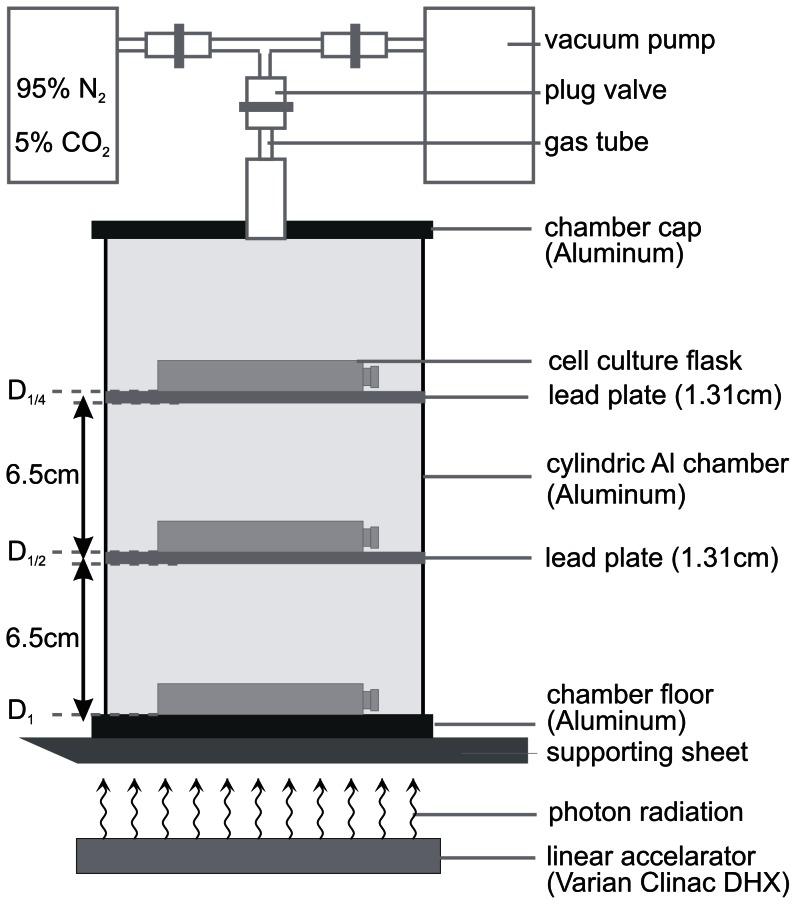
Figure 1. Photon irradiation of CAL33 cells in the aluminium hypoxic chamber.
Culture flasks were arranged in three levels, separated by lead plates (thickness 1.31 cm; distance 6.5 cm). Thus, irradiation doses were reduced by half (D1, D1/2, D1/4), respectively, as confirmed by dosimetric measurements. Cells were irradiated with three different doses in one irradiation experiment. Hypoxia was established by repeated aspiration of air and influx of 95% N2, 5% CO2.
Figure 2
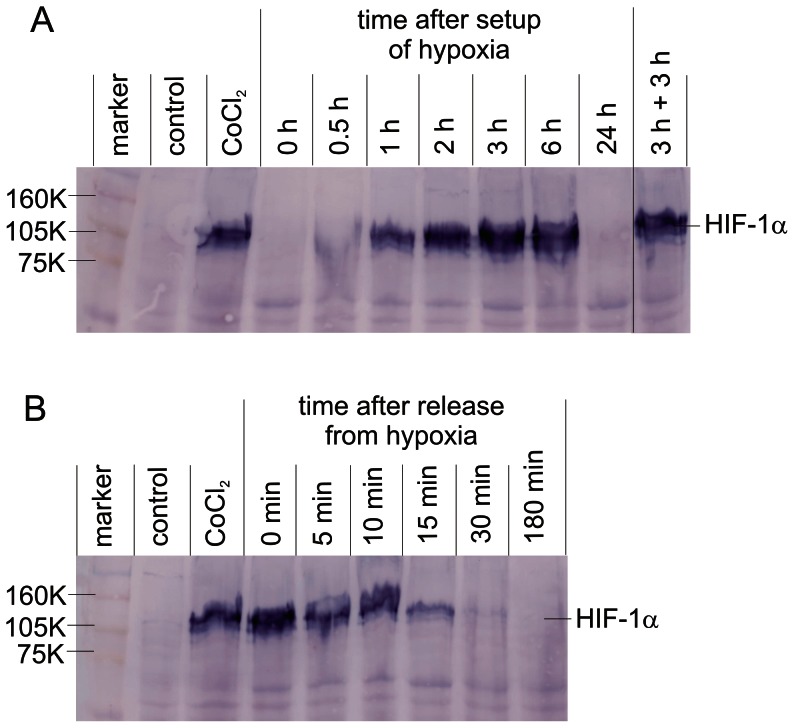
Figure 2. Western blot analysis of HIF-1α expression in CAL33 cells under normoxia and hypoxia.
A) HIF-1α expression at different times (0–24 h) after setup of hypoxia; 3 h+3 h: incubation of cells done twice for 3 hours under hypoxia, interrupted by a 10 min phase under normoxic conditions. B) HIF-1α expression at different times (0–180 min) after release of CAL33 from hypoxia and incubation under normoxic conditions; control: normoxic cells; CoCl2: cells treated with CoCl2 used as positive control; 160 K, 105 K, 75 K molecular weight markers (RPN800, GE Healthcare). Unspecific staining of protein bands other than HIF-1α was used as sample loading control.
Figure 3
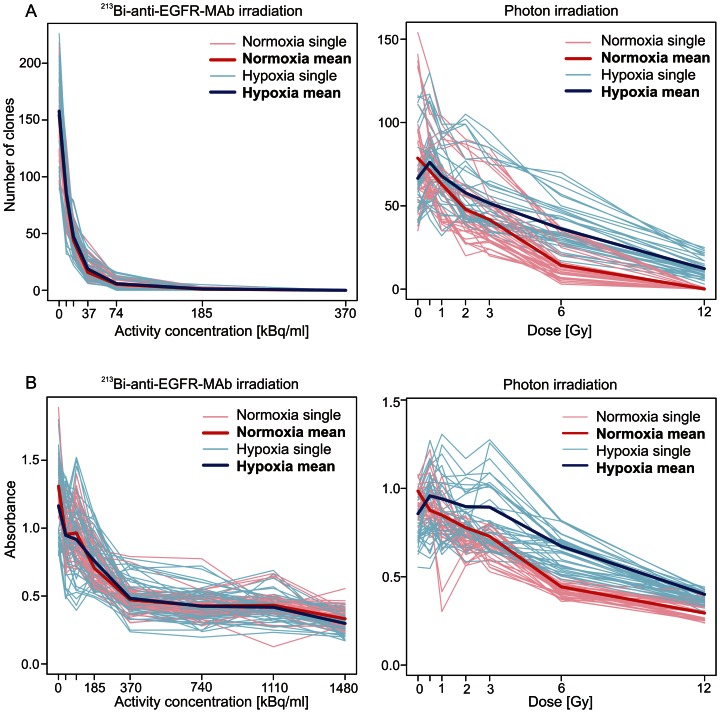
Figure 3. Clonogenic survival and viability of normoxic and hypoxic cells after irradiation with photons or 213Bi-anti-EGFR-MAb.
Results of single experiments are shown as pale coloured graphs, results of means as bold coloured graphs. A) Number of clones (clonogenic assay) and B) absorbance (WST viability assay) as a function of activity concentration (213Bi-anti-EGFR-MAb) or photon dose, respectively.
Figure 4
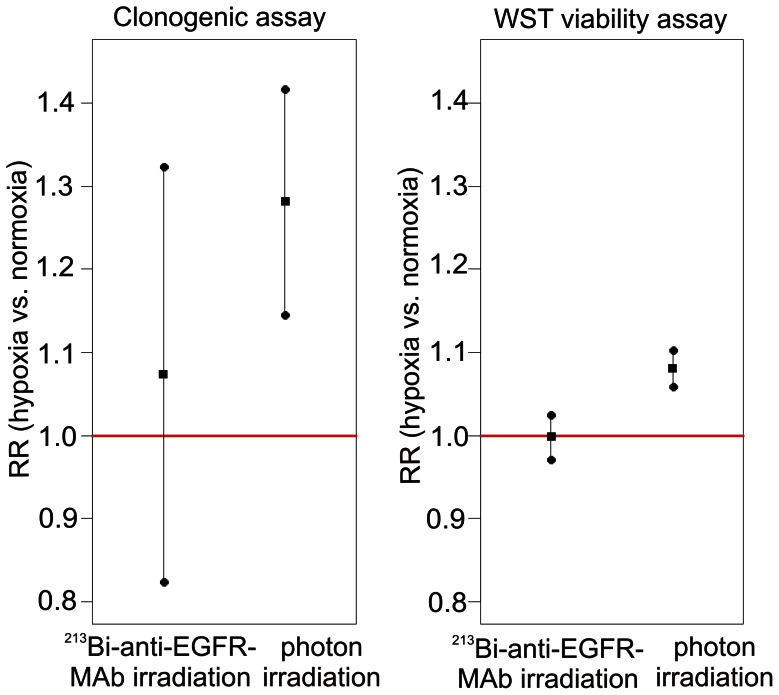
Figure 4. Relative risk for cell survival/viability after irradiation with photons/213Bi-anti-EGFR-MAb under normoxia/hypoxia.
Relative risk (RR) (▪) denotes RR-fold higher survival of CAL33 cells irradiated under hypoxia compared to normoxia. RR was calculated according to the Generalized Linear Mixed Model (GLMM). Overall cell survival/viability is significantly (RR-fold) higher under hypoxia, if the 95%- confidence interval (•) doesn't include the value 1 (red line).
Figure 5
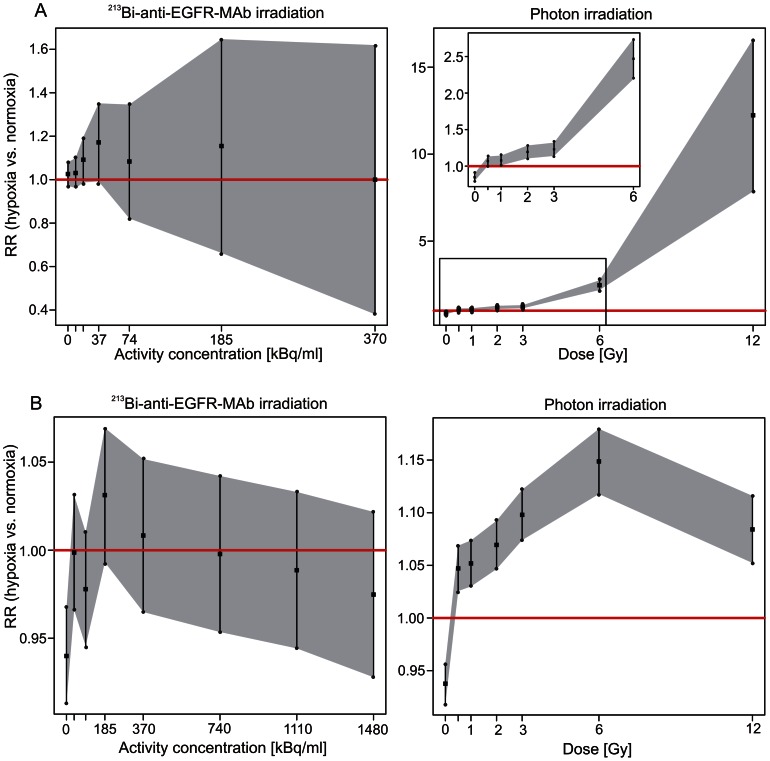
Figure 5. Relative risk for cell survival (A)/viability (B) at different photon doses/213Bi-anti-EGFR-MAb activity concentrations under normoxia/hypoxia.
Relative risk (RR) (▪) denotes RR-fold higher survival of CAL33 cells irradiated under hypoxia compared to normoxia. RR was calculated according to the Generalized Linear Mixed Model (GLMM). Overall cell survival/viability is significantly (RR-fold) higher under hypoxia, if the 95%- confidence interval (•) doesn't include the value 1 (red line).

References

    1. Harada H (2011) How can we overcome tumor hypoxia in radiation therapy? J Radiat Res 52: 545–556. - PubMed
    1. Jordan BF, Sonveaux P (2012) Targeting tumor perfusion and oxygenation to improve the outcome of anticancer therapy. Front Pharmacol 3: 94. - PMC - PubMed
    1. Brown JM, Wilson WR (2004) Exploiting tumour hypoxia in cancer treatment. Nat Rev Cancer 4: 437–447. - PubMed
    1. Bertout JA, Patel SA, Simon MC (2008) The impact of O2 availability on human cancer. Nat Rev Cancer 8: 967–975. - PMC - PubMed
    1. Chaudary N, Hill RP (2007) Hypoxia and metastasis. Clin Cancer Res 13: 1947–1949. - PubMed

MeSH terms