


In vivo antioxidant and antiulcer activity of Parkia speciosa ethanolic leaf extract against ethanol-induced gastric ulcer in rats
- PMID: 23724090
- PMCID: PMC3665813
- DOI: 10.1371/journal.pone.0064751
In vivo antioxidant and antiulcer activity of Parkia speciosa ethanolic leaf extract against ethanol-induced gastric ulcer in rats
Retraction in
-
Retraction: In Vivo Antioxidant and Antiulcer Activity of Parkia speciosa Ethanolic Leaf Extract against Ethanol-Induced Gastric Ulcer in Rats.PLoS One. 2023 Nov 10;18(11):e0294012. doi: 10.1371/journal.pone.0294012. eCollection 2023. PLoS One. 2023. PMID: 37948324 Free PMC article. No abstract available.
Abstract
Background: The current study was carried out to examine the gastroprotective effects of Parkia speciosa against ethanol-induced gastric mucosa injury in rats.
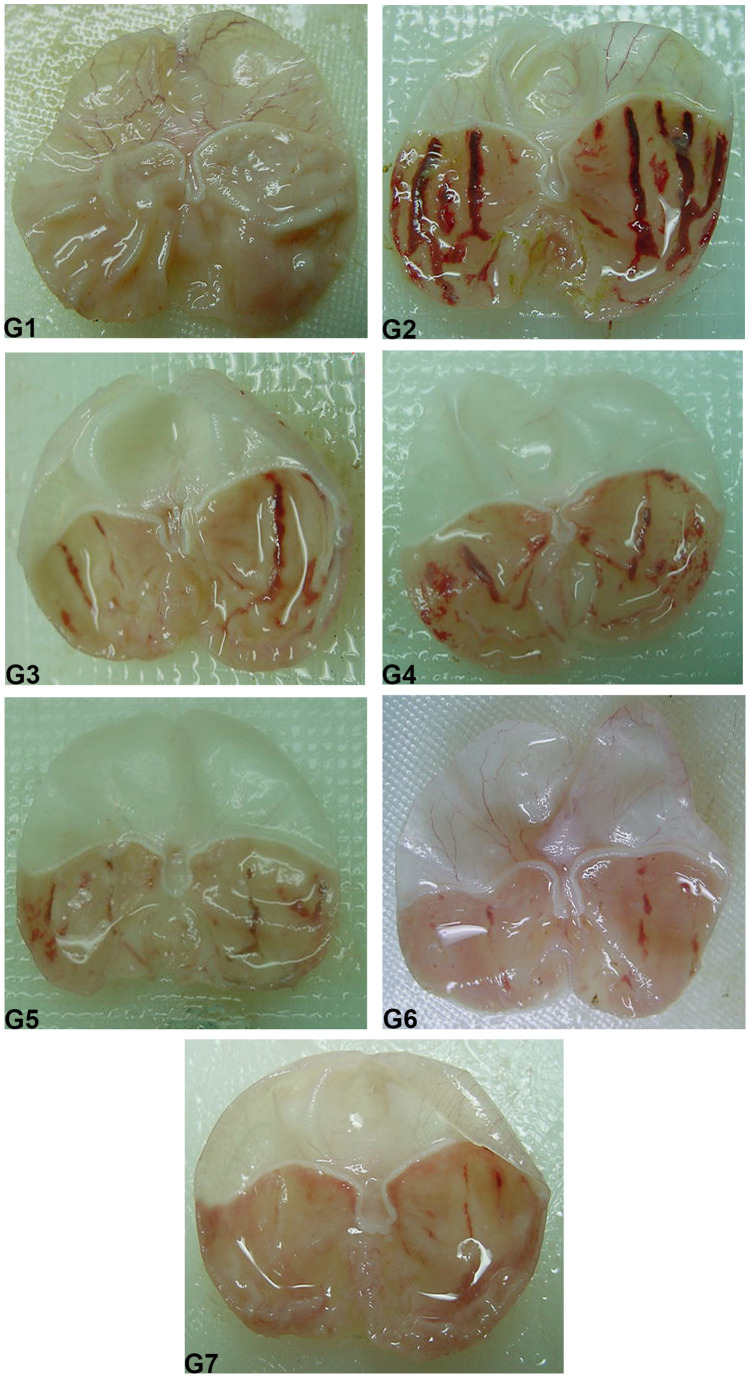
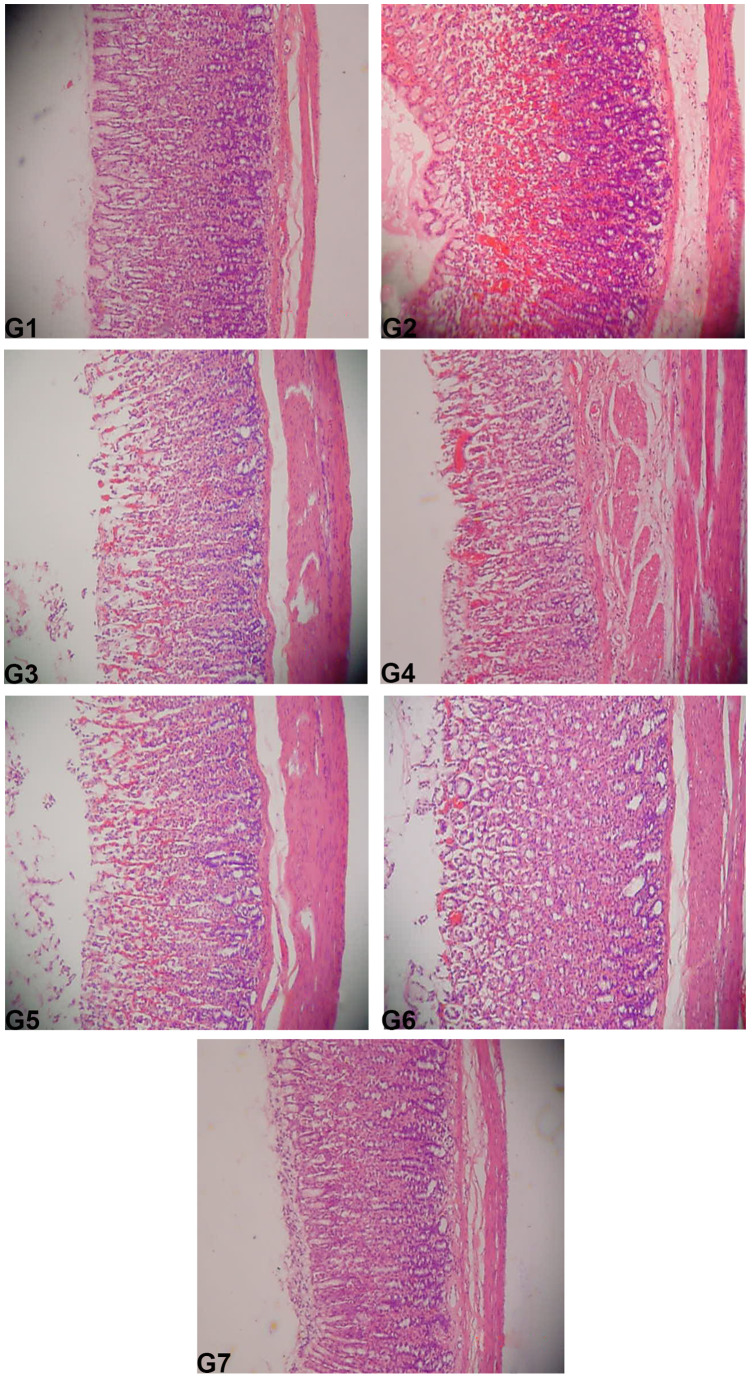
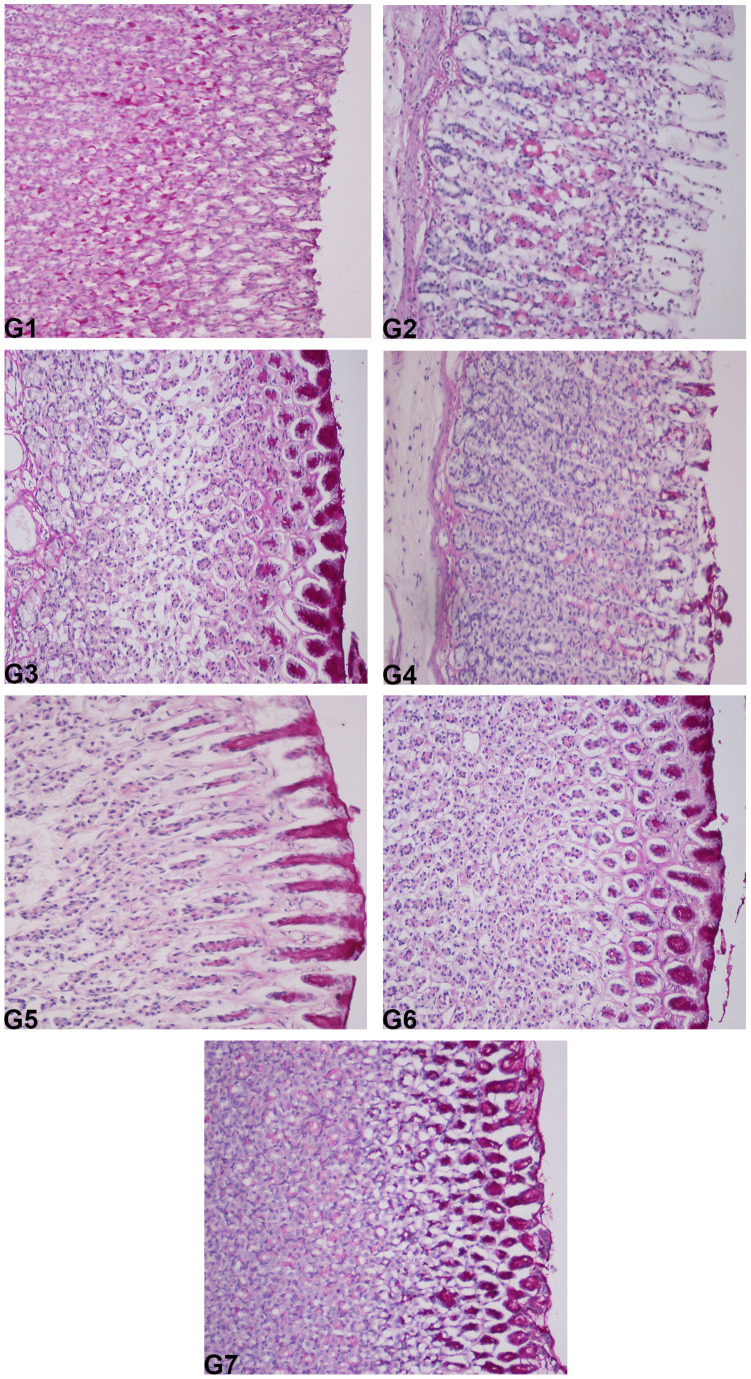
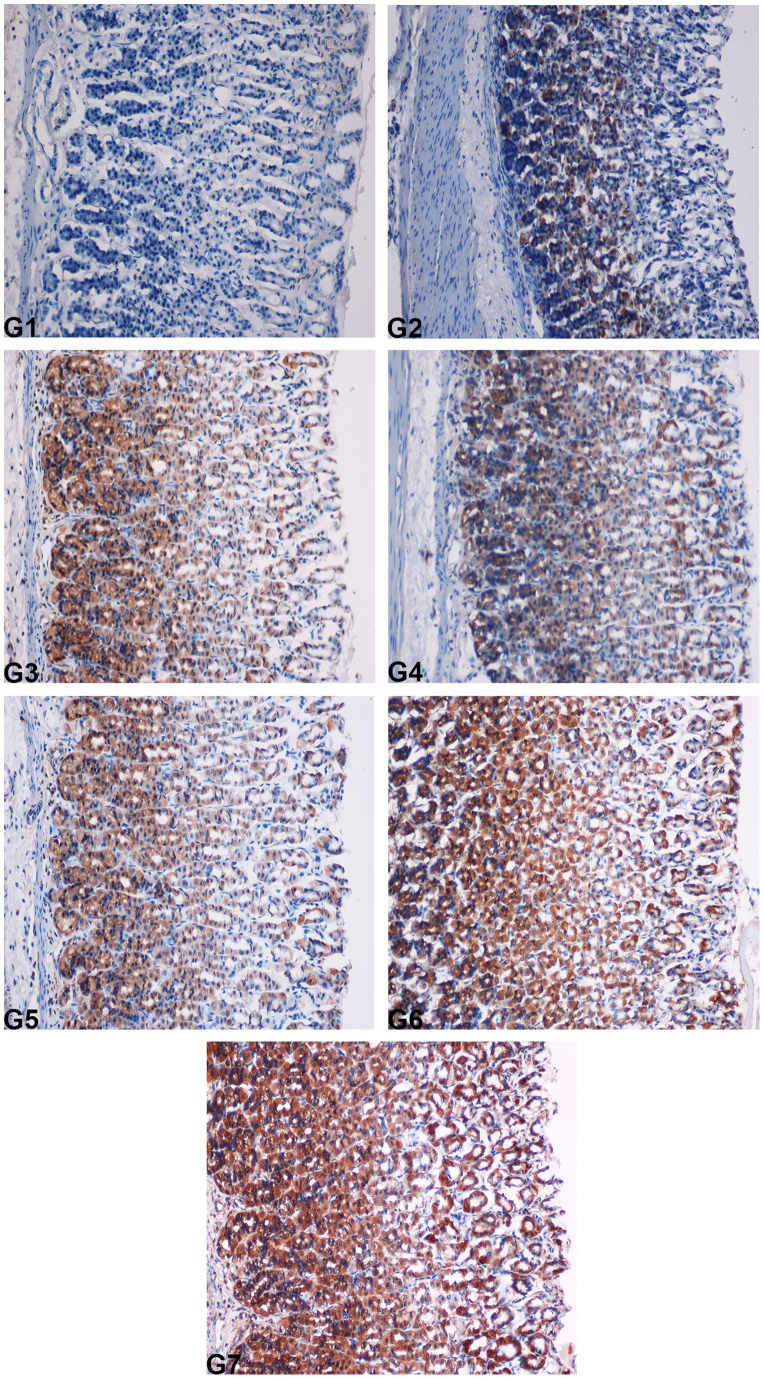
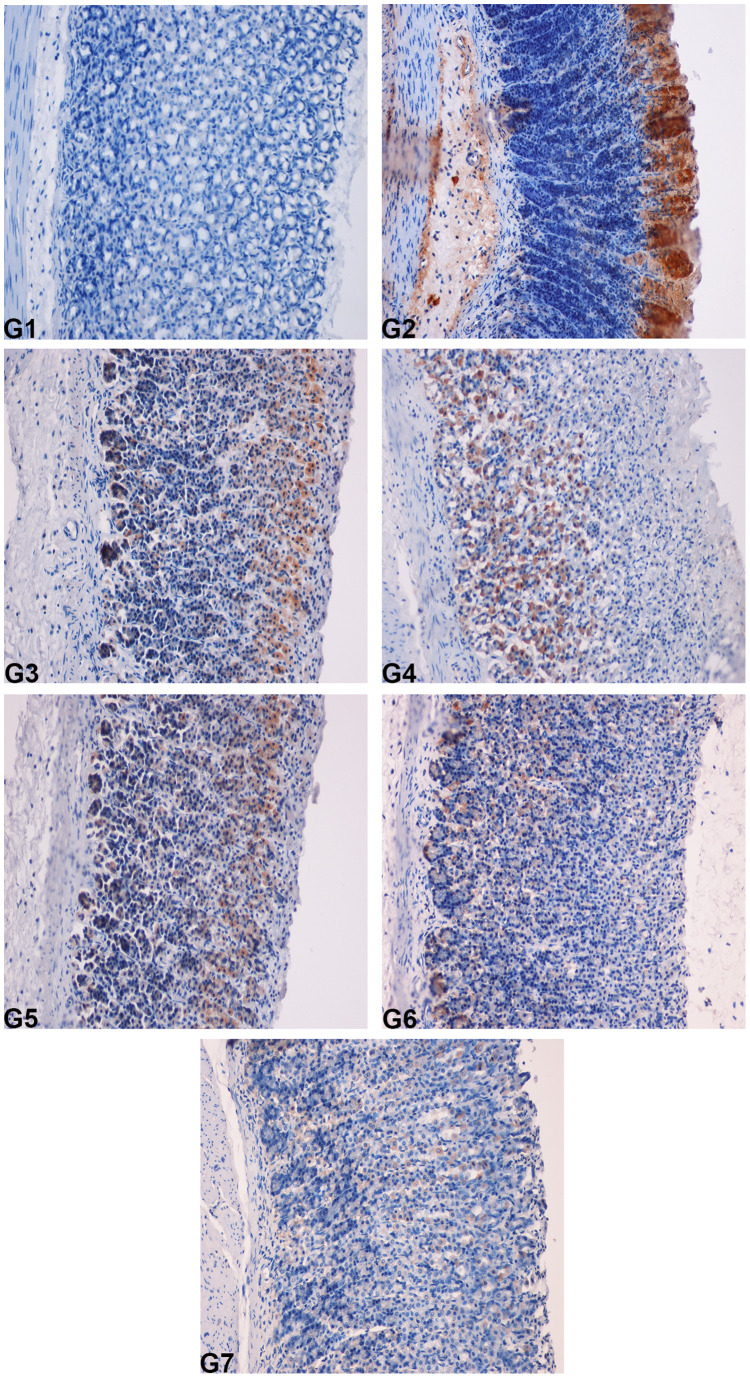
Methodology/principal findings: Sprague Dawley rats were separated into 7 groups. Groups 1-2 were orally challenged with carboxymethylcellulose (CMC); group 3 received 20 mg/kg omeprazole and groups 4-7 received 50, 100, 200 and 400 mg/kg of ethanolic leaf extract, respectively. After 1 h, CMC or absolute ethanol was given orally to groups 2-7. The rats were sacrificed after 1 h. Then, the injuries to the gastric mucosa were estimated through assessment of the gastric wall mucus, the gross appearance of ulcer areas, histology, immunohistochemistry and enzymatic assays. Group 2 exhibited significant mucosal injuries, with reduced gastric wall mucus and severe damage to the gastric mucosa, whereas reductions in mucosal injury were observed for groups 4-7. Groups 3-7 demonstrated a reversal in the decrease in Periodic acid-Schiff (PAS) staining induced by ethanol. No symptoms of toxicity or death were observed during the acute toxicity tests.
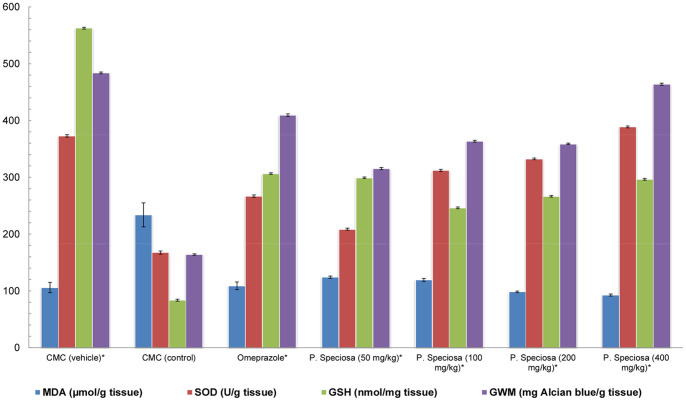
Conclusion: Treatment with the extract led to the upregulation of heat-shock protein 70 (HSP70) and the downregulation of the pro-apoptotic protein BAX. Significant increases in the levels of the antioxidant defense enzymes glutathione (GSH) and superoxide dismutase (SOD) in the gastric mucosal homogenate were observed, whereas that of a lipid peroxidation marker (MDA) was significantly decreased. Significance was defined as p<0.05 compared to the ulcer control group (Group 2).
Conflict of interest statement
Figures
References
-
- Yeomans ND, Hawkey CJ, Brailsford W, Næsdal J (2009) Gastroduodenal toxicity of low-dose acetylsalicylic acid: a comparison with non-steroidal anti-inflammatory drugs. Current Medical Research & Opinion 25: 2785–2793. - PubMed
-
- Yuan L, Wang JH, Sun TM (2010) Total synthesis and anticancer activity studies of the stereoisomers of asperphenamate and patriscabratine. Chinese Chemical Letters 21: 155–158.
-
- Itatsu T, Nagahara A, Hojo M, Miyazaki A, Murai T, et al. (2011) Use of selective serotonin reuptake inhibitors and upper gastrointestinal disease. Internal Medicine 50: 713–717. - PubMed
-
- Søberg T, Hofstad B, Sandvik L, Johansen M, Lygren I (2010) Risk factors for peptic ulcer bleeding. Tidsskrift for den Norske Laegeforening: Tidsskrift for Praktisk Medicin, ny Raekke 130: 1135–1139. - PubMed
-
- Lanas A (2009) Nonsteroidal antiinflammatory drugs and cyclooxygenase inhibition in the gastrointestinal tract: a trip from peptic ulcer to colon cancer. The American Journal of the Medical Sciences 338: 96. - PubMed
Publication types
MeSH terms
Substances
LinkOut - more resources
Full Text Sources
Other Literature Sources
Medical
Research Materials
