Hepatosplenic alpha/beta T-cell lymphoma masquerading as cirrhosis
- PMID: 23730508
- PMCID: PMC3635184
- DOI: 10.3978/j.issn.2078-6891.2013.017
Hepatosplenic alpha/beta T-cell lymphoma masquerading as cirrhosis
Abstract
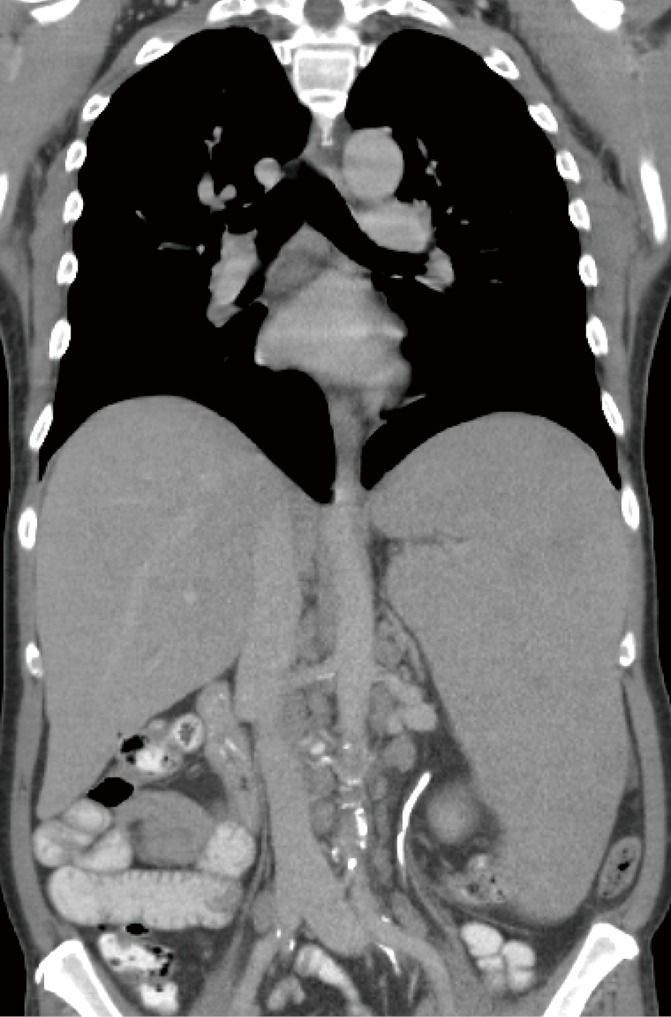
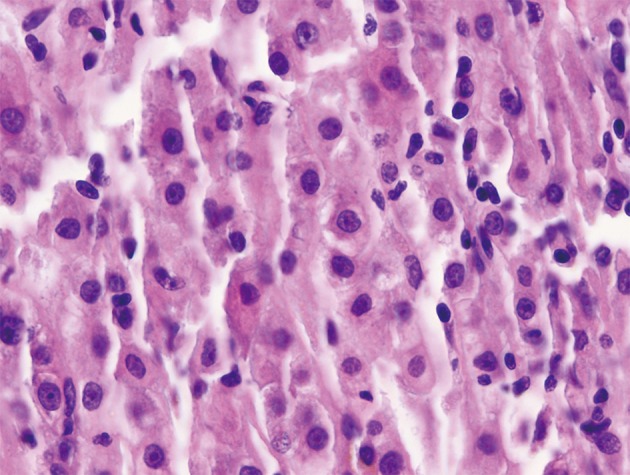
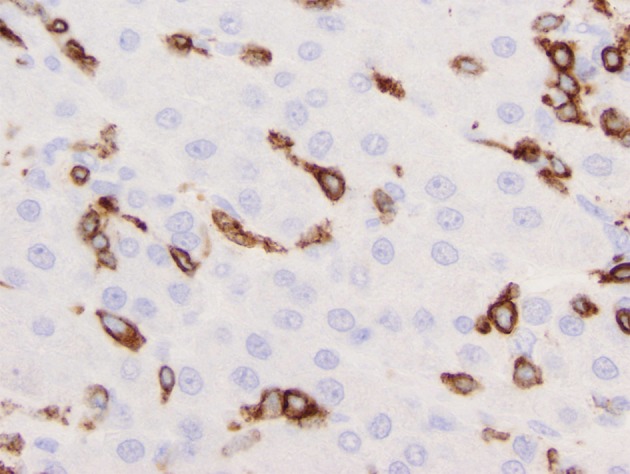
A 59-year-old man with diabetes mellitus, prior hepatitis B infection and recently diagnosed cirrhosis with prior Babesiosis presented to our institution from an outside hospital with six months of worsening abdominal pain, myalgias and fevers. On admission, physical examination revealed jaundice, hepatosplenomegaly and diffuse lymphadenopathy. Laboratory investigations demonstrated mild anemia, thrombocytopenia, hyperbilirubinemia and elevated lactate dehydrogenase. Tests for human immunodeficiency virus, and active Babesia microti infection were negative, however Epstein-Barr virus DNA by quantitative PCR was markedly elevated. CT scan revealed features suggestive of a cirrhotic liver without focal mass lesions as well as massive splenomegaly with axillary, retroperitoneal and inguinal lymphadenopathy. Bone marrow and lymph node biopsies were obtained which ultimately revealed hepatosplenic T-cell lymphoma. The patient's initial liver biopsy from five months prior to presentation was re-evaluated by our institution's pathologists. Histologic analysis showed hepatic sinusoidal and portal infiltration of atypical lymphocytes morphologically identical to those present on the more recently excised lymph node tissue. The hepatic sinusoidal lymphoid cells were strongly positive for CD2, CD3 and CD5 whereas CD4, CD8 stained only minor subsets of the T cells. Subsequent flow cytometric immunophenotypying of peripheral blood identified T-cell receptor alpha/beta positive cells that lacked CD4 and CD8 (double negative alpha/beta T cells). Given the established bone marrow involvement, he was diagnosed with stage IV disease and treated with chemotherapy. His clinical course involved multiple hospitalizations complicated by hyponatremia, neutropenic fevers and pulmonary emboli. Following his fourth cycle of chemotherapy, he developed worsening liver failure and expired approximately three months after initial diagnosis of lymphoma. Hepatosplenic lymphoma of alpha/beta T cells is a rare malignancy with largely unclear risk factors and varied clinical presentations. Notably, diffuse infiltration of liver parenchyma is a prominent feature and the disease can mimic cirrhosis clinically as well as radiographically. Early recognition of this aggressive lymphoma is important and should be considered in the evaluation of patients in whom the etiology of cirrhosis remains in question.
Keywords: Babesia microti; Liver cirrhosis; T-cell lymphoma; autoimmune hepatitis.
Figures
References
-
- 1. Farcet JP, Gaulard P, Marolleau JP, et al. Hepatosplenic T-cell lymphoma: sinusal/sinusoidal localization of malignant cells expressing the T-cell receptor gamma delta. Blood 1990;75:2213-9. - PubMed
-
- Kotlyar DS, Osterman MT, Diamond RH, et al. A systematic review of factors that contribute to hepatosplenic T-cell lymphoma in patients with inflammatory bowel disease. Clin Gastroenterol Hepatol 2011;9:36-41.e1. - PubMed
-
- Ohshima K, Haraoka S, Harada N, et al. Hepatosplenic gammadelta T-cell lymphoma: relation to Epstein-Barr virus and activated cytotoxic molecules. Histopathology 2000;36:127-35 - PubMed
-
- Nagai Y, Ikegame K, Mori M, et al. Hepatosplenic alphabeta T cell lymphoma. Int J Clin Oncol 2010;15:215-9 - PubMed
LinkOut - more resources
Full Text Sources
Research Materials