Randomized Controlled Trial
. 2013:4:1935.
doi: 10.1038/ncomms2922.

Aerosol transmission is an important mode of influenza A virus spread

Affiliations
Randomized Controlled Trial

Aerosol transmission is an important mode of influenza A virus spread

Benjamin J Cowling et al. Nat Commun. 2013.

Abstract

Influenza A viruses are believed to spread between humans through contact, large respiratory droplets and small particle droplet nuclei (aerosols), but the relative importance of each of these modes of transmission is unclear. Volunteer studies suggest that infections via aerosol transmission may have a higher risk of febrile illness. Here we apply a mathematical model to data from randomized controlled trials of hand hygiene and surgical face masks in Hong Kong and Bangkok households. In these particular environments, inferences on the relative importance of modes of transmission are facilitated by information on the timing of secondary infections and apparent differences in clinical presentation of secondary infections resulting from aerosol transmission. We find that aerosol transmission accounts for approximately half of all transmission events. This implies that measures to reduce transmission by contact or large droplets may not be sufficient to control influenza A virus transmission in households.


Conflict of interest statement

Declaration of interest

BJC has received research funding from MedImmune Inc., and consults for Crucell NV; DKMI has received research funding from F. Hoffmann-La Roche Ltd; JSMP receives research funding from Crucell NV and serves as an ad hoc consultant for GlaxoSmithKline and Sanofi; JMS has retired from the US CDC and now works with Sanofi Pasteur. The other authors report no other potential conflicts of interest.

Figures

Figure 1
Figure 1. Risk of infection and illness in household contacts
Cumulative hazards of confirmed influenza A virus infections presenting with fever plus cough or not presenting with fever plus cough, in household contacts in 275 and 507 households in Hong Kong and Bangkok, respectively. Increases in the risk of confirmed infection with fever plus cough, and decreases in the risk of confirmed infection without fever plus cough, are particularly apparent in the intervention arms compared to the control arm in Bangkok.
Figure 2
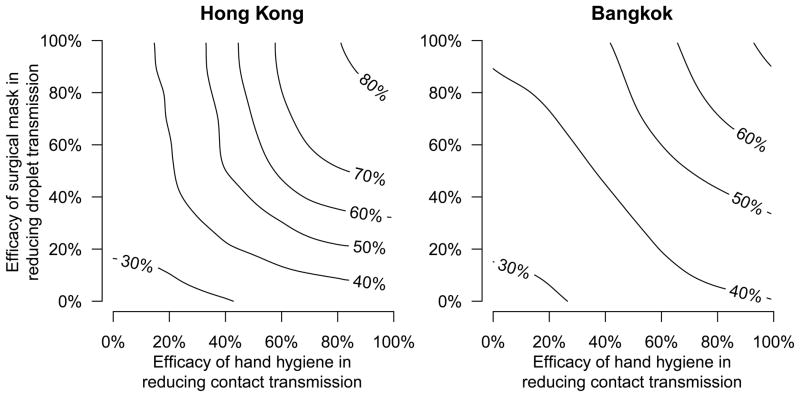
Figure 2. The cause-specific probabilities of aerosol transmission
The relative importance of aerosol transmission in households in Hong Kong and Bangkok, quantified in terms of the cause-specific probability of aerosol transmission. The contour lines show the proportion of secondary influenza virus infections attributed to aerosol transmission in the control arm of each study, under varying assumptions about the efficacy of randomization to the hand hygiene and surgical mask interventions in reducing contact (x-axis) and droplet (y-axis) transmission respectively. The parameter estimates in Table 1 correspond to the exemplar plausible assumption that randomization to the hand hygiene and face mask interventions led to 50% reductions in contact and droplet transmission respectively from the time of application of those interventions, which corresponds to the centroid of each panel.

References

    1. Tellier R. Review of aerosol transmission of influenza A virus. Emerg Infect Dis. 2006;12:1657. - PMC - PubMed
    1. Brankston G, Gitterman L, Hirji Z, Lemieux C, Gardam M. Transmission of influenza A in human beings. Lancet Infect Dis. 2007;7:257. - PubMed
    1. Weber TP, Stilianakis NI. Inactivation of influenza A viruses in the environment and modes of transmission: a critical review. J Infect. 2008;57:361. - PMC - PubMed
    1. Tellier R. Aerosol transmission of influenza A virus: a review of new studies. J R Soc Interface. 2009;6(Suppl 6):S783. - PMC - PubMed
    1. Cowling BJ. Airborne transmission of influenza: implications for control in healthcare and community settings. Clin Infect Dis. 2012;54:1578. - PMC - PubMed

Publication types