


Increased consumption of fruit and vegetables for the primary prevention of cardiovascular diseases
- PMID: 23736950
- PMCID: PMC6464871
- DOI: 10.1002/14651858.CD009874.pub2
Increased consumption of fruit and vegetables for the primary prevention of cardiovascular diseases
Abstract
Editorial note: This Cochrane Review has been superseded by a review entitled Vegan dietary pattern for the primary and secondary prevention of cardiovascular diseases (https://www.cochranelibrary.com/cdsr/doi/10.1002/14651858.CD013501.pub2/full) https://pubmed.ncbi.nlm.nih.gov/33629376/
Background: There is increasing evidence that high consumption of fruit and vegetables is beneficial for cardiovascular disease (CVD) prevention.
Objectives: The primary objective is to determine the effectiveness of i) advice to increase fruit and vegetable consumption ii) the provision of fruit and vegetables to increase consumption, for the primary prevention of CVD.
Search methods: We searched the following electronic databases: The Cochrane Library (2012, issue 9-CENTRAL, HTA, DARE, NEED), MEDLINE (1946 to week 3 September 2012); EMBASE (1980 to 2012 week 39) and the Conference Proceedings Citation Index - Science on ISI Web of Science (5 October 2012). We searched trial registers, screened reference lists and contacted authors for additional information where necessary. No language restrictions were applied.
Selection criteria: Randomised controlled trials with at least three months follow-up (follow-up was considered to be the time elapsed since the start of the intervention) involving healthy adults or those at high risk of CVD. Trials investigated either advice to increase fruit and vegetable intake (via any source or modality) or the provision of fruit and vegetables to increase intake. The comparison group was no intervention or minimal intervention. Outcomes of interest were CVD clinical events (mortality (CVD and all-cause), myocardial infarction (MI), coronary artery bypass grafting (CABG) or percutaneous transluminal coronary angioplasty (PTCA), angiographically-defined angina pectoris, stroke, carotid endarterectomy, peripheral arterial disease (PAD)) and major CVD risk factors (blood pressure, blood lipids, type 2 diabetes). Trials involving multifactorial lifestyle interventions (including different dietary patterns, exercise) or where the focus was weight loss were excluded to avoid confounding.
Data collection and analysis: Two review authors independently selected trials for inclusion, extracted data and assessed the risk of bias. Trials of provision of fruit and vegetables were analysed separately from trials of dietary advice.
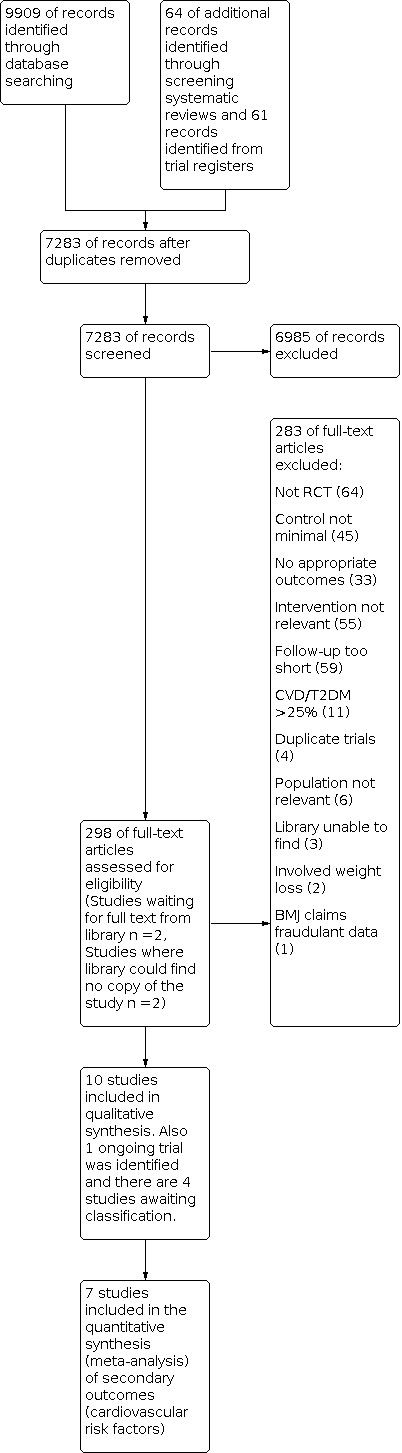
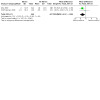
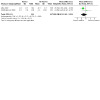
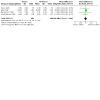
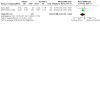
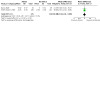
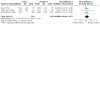
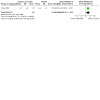
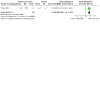
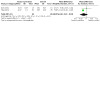
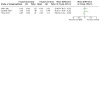
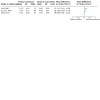
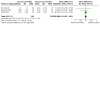
Main results: We identified 10 trials with a total of 1730 participants randomised, and one ongoing trial. Six trials investigated the provision of fruit and vegetables, and four trials examined advice to increase fruit and vegetable consumption.The ongoing trial is examining the provision of an avocado-rich diet.The number and type of intervention components for provision, and the dietary advice provided differed between trials.None of the trials reported clinical events as they were all relatively short term. There was no strong evidence for effects of individual trials of provision of fruit and vegetables on cardiovascular risk factors, but trials were heterogeneous and short term. Furthermore, five of the six trials only provided one fruit or vegetable. Dietary advice showed some favourable effects on blood pressure (systolic blood pressure (SBP): mean difference (MD) -3.0 mmHg (95% confidence interval (CI) -4.92 to -1.09), diastolic blood pressure (DBP): MD -0.90 mmHg (95% CI -2.03 to 0.24)) and low-density lipoprotein (LDL) cholesterol but analyses were based on only two trials. Three of the 10 included trials examined adverse effects, which included increased bowel movements, bad breath and body odour.
Authors' conclusions: There are very few studies to date examining provision of, or advice to increase the consumption of, fruit and vegetables in the absence of additional dietary interventions or other lifestyle interventions for the primary prevention of CVD. The limited evidence suggests advice to increase fruit and vegetables as a single intervention has favourable effects on CVD risk factors but more trials are needed to confirm this.
Conflict of interest statement
None known.
Figures
Comment in
-
[Consumption of fruits and vegetables for the prevention of cardiovascular diseases].Krankenpfl Soins Infirm. 2014;107(10):34-5. Krankenpfl Soins Infirm. 2014. PMID: 25345203 German. No abstract available.
References
References to studies included in this review
Dichi 2011 {published and unpublished data}
-
- Dichi, IS. Ingestion of soybean or fish increases adiponectin and nitric oxide levels and decreases blood pressure in women with metabolic syndrome. In: Journal of Diabetes. Vol. Conference (var.pagings): April. 2011.
Djuric 2006 {published data only}
-
- Chen G, Heilbrun LK, Venkatramanamoorthy R, Maranci V, Redd JN, Klurfeld DM et al. Effects of low-fat and/or high-fruit-and-vegetable diets on plasma levels of 8-isoprostane-F2alpha in the Nutrition and Breast Health study. Nutrition and Cancer 2004;50(2):155-60. - PubMed
-
- Djuric Z, Chen G, Ren J, Venkatramanamoorthy R, Covington CY, Kucuk O et al. Effects of high fruit-vegetable and/or low-fat intervention on breast nipple aspirate fluid micronutrient levels. Cancer Epidemiology, Biomarkers and Prevention 2007;16(7):1393-9. - PubMed
-
- Djuric Z, Ren J, Mekhovich O, Venkatranamoorthy R, Heilbrun LK. Effects of high fruit-vegetable and/or low-fat intervention on plasma micronutrient levels. Journal of the American College of Nutrition 2006;25(3):178-87. - PubMed
Finley 2007 {published data only}
-
- Finley JW, Burrell JB, Reeves PG. Pinto bean consumption changes SCFA profiles in fecal fermentations, bacterial populations of the lower bowel, and lipid profiles in blood of humans. Journal of Nutrition 2007;137(11):2391-8. - PubMed
Fujioka 2006 {published data only}
-
- Fujioka KG. The effects of grapefruit on weight and insulin resistance: Relationship to the metabolic syndrome. Journal of Medicinal Food 2006;9(1):49-54. - PubMed
Gardner 2007 {published data only}
-
- Gardner CD, Lawson LD, Block E, Chatterjee LM, Kiazand A, Balise RR et al. Effect of raw garlic vs commercial garlic supplements on plasma lipid concentrations in adults with moderate hypercholesterolemia: a randomized clinical trial. Archives of Internal Medicine 2007;167(4):346-53. - PubMed
Gravel 2009 {unpublished data only}
-
- Gravel K, Lemieux S, Asselin G, Lemay A, West G, Forest JC et al. Does legumes consumption in a real life context can improve components of metabolic syndrome?. A randomized controlled trial. Journal of Diabetes Conference (var.pagings): April 2009;1:A277.
John 2002 {published data only}
-
- John JH, Ziebland S, Yudkin P, Roe LS, Neil HA. Effects of fruit and vegetable consumption on plasma antioxidant concentrations and blood pressure: a randomised controlled trial. Lancet 2002;359(9322):1969-74. - PubMed
Maskarinec 1999 {published data only}
-
- Maskarinec G, Chan CL, Meng L, Franke AA, Cooney RV. Exploring the feasibility and effects of a high-fruit and -vegetable diet in healthy women. Cancer Epidemiology and Biomarkers & Prevention 1999;8(10):919-24. - PubMed
Smith‐Warner 2000 {published data only}
-
- Smith-Warner SA, Elmer PJ, Tharp TM, Fosdick L, Randall B, Gross M et al. Increasing vegetable and fruit intake: randomized intervention and monitoring in an at-risk population. Cancer Epidemiology and Biomarkers & Prevention 2000;9(3):307-17. - PubMed
Thies 2012 {published data only}
-
- Thies F, Masson LF, Rudd A, Vaughan N, Tsang C, Brittenden J et al. Effect of a tomato-rich diet on markers of cardiovascular disease risk in moderately overweight, disease-free, middle-aged adults: a randomized controlled trial. The American Journal of Clinical Nutrition 2012;95(5):1013-22. - PubMed
References to studies excluded from this review
Ali 1995 {published data only}
-
- Ali MT. Consumption of a garlic clove a day could be beneficial in preventing thrombosis. Prostaglandins Leukotrienes and Essential Fatty Acids 1995;53(3):211-2. - PubMed
Appel 2000 {published data only}
-
- Appel LJ, Miller ER 3rd, Jee SH, Stolzenberg-Solomon R, Lin PH, Erlinger T et al. Effect of dietary patterns on serum homocysteine: results of a randomized, controlled feeding study. Circulation 2000;102(8):852-7. - PubMed
Beresford 2001 {published data only}
-
- Beresford S, Thompson B, Feng Z, Christianson A, McLerran D, Patrick D. Seattle 5 a Day worksite program to increase fruit and vegetable consumption. Preventive Medicine 2001;32(3):230-8. - PubMed
Blum 2007 {published data only}
-
- Blum A, Monir M, Khazim K, Peleg A, Blum N. Tomato-rich (Mediterranean) diet does not modify inflammatory markers. Clinical & Investigative Medicine - Medecine Clinique et Experimentale 2007;30(2):E70-E74. - PubMed
Broekmans 2000 {published data only}
-
- Broekmans WMR. Fruits and vegetables increase plasma carotenoids and vitamins and decrease homocysteine in humans. Journal of Nutrition 2000;130(6):1578-83. - PubMed
DASH 1995 {published data only}
-
- Sacks FM, Obarzanek E, Windhauser MM, Svetkey LP, Vollmer WM, McCullough M et al. Rationale and design of the Dietary Approaches to Stop Hypertension trial (DASH). A multicenter controlled-feeding study of dietary patterns to lower blood pressure. Annals of Epidemiology 1995;5(2):108-18. - PubMed
-
- Yarmohammadi H, Turban SI, Appel L. Effect of dietary patterns on blood pressure variability. Journal of the American College of Cardiology 2012;59:E1631.
Fielding 2005 {published data only}
-
- Fielding JM, Rowley KG, Cooper P, O' Dea K. Increases in plasma lycopene concentration after consumption of tomatoes cooked with olive oil. Asia Pacific Journal of Clinical Nutrition 2005;14(2):131-6. - PubMed
Fuemmeler 2006 {published data only}
-
- Fuemmeler BF, Masse LC, Yaroch A, Resnicow K, Campbell MK, Carr C et al. Psychosocial mediation of fruit and vegetable consumption in the body and soul effectiveness trial. Health Psychology 2006;25(4):474-83. - PubMed
Havas 2003 {published data only}
-
- Havas S, Anliker J, Breenberg D, Block G, Block T, Blik C et al. Final results of the Maryland WIC Food for life programme. Preventive Medicine 2003;37(5):406-16. - PubMed
Lehtonen 2010 {published data only (unpublished sought but not used)}
-
- Lehtonen HM, Suomela JP, Tahvonen R, Vaarno J, Venojarvi M, Viikari J et al. Berry meals and risk factors associated with metabolic syndrome. European Journal of Clinical Nutrition 2010;64(6):1-8. - PubMed
Lutz 1999 {published data only}
-
- Lutz SF, Ammerman AS, Atwood JR, Campbell MK, DeVellis RF, Rosamond WD. Innovative newsletter interventions improve fruit and vegetable consumption in healthy adults. Journal of the American Dietetic Association 1999;99(6):705-9. - PubMed
Nomikos 2007 {published data only}
-
- Nomikos TD. Boiled wild artichoke reduces postprandial glycemic and insulinemic responses in normal subjects but has no effect on metabolic syndrome patients. Nutrition Research 2007;27(12):741-9.
Porrini 2011 {unpublished data only}
-
- Porrini M. Effect of wild blueberry intake on reduction of cardiovascular risk factors. ISRCTN47732406.
Rock 2001 {published data only}
-
- Rock CL, Moskowitz A, Huizer B, Saenz CC, Clark JT, Daly TL et al. High vegetable and fruit diet intervention in premenopausal women with cervical intraepithelial neoplasia. Journal of the American Dietetic Association 2001;101(10):1167-74. - PubMed
Singh 1992 {published data only}
-
- Singh R, Rastogi S, Singh R, Ghosh S, Niaz M. Effects of guava intake on serum total and high-density lipoprotein cholesterol levels and on systemic blood pressure. American Journal of Cardiology 1992;70(15):1287-91. - PubMed
Sorensen 1999 {published data only}
Staten 2004 {published data only}
-
- Staten LK, Gregory-Mercado KY, Ranger-Moore J, Will JC, Giuliano AR, Ford ES et al. Provider counseling, health education and community health workers: the Arizona WISEWOMAN project. Journal of Women's Health 2004;13(5):547-56. - PubMed
Steptoe 2004 {published data only}
-
- Steptoe A, Perkins-Porras L, Hilton S, Rink E, Cappuccio FP. Quality of life and self-rated health in relation to changes in fruit and vegetable intake and in plasma vitamins C and E in a randomised trial of behavioural and nutritional education counselling. British Journal of Nutrition 2004;92:177-84. - PubMed
Svetkey 2003 {published data only}
-
- Svetkey LP, Harsha DW, Vollmer WM, Stevens VJ, Obarzanek E, Elmer PJ et al. Premier: a clinical trial of comprehensive lifestyle modification for blood pressure control: rationale, design and baseline characteristics. Annals of Epidemiology 2003 ;13(6):462-71. - PubMed
Takai 2003 {published data only}
-
- Takai M, Suido H, Tanaka T, Kotani M, Fujita A, Takeuchi A et al. LDL-cholesterol-lowering effect of a mixed green vegetable and fruit beverage containing broccoli and cabbage in hypercholesterolemic subjects. Rinsho Byori - Japanese Journal of Clinical Pathology 2003;51(11):1073-83. - PubMed
Thomson 2011 {unpublished data only}
-
- Thomson C. A grapefruit feeding trial in healthy, overweight adults. NCT01452841.
Verlangieri 1985 {published data only}
-
- Verlangieri AJ, Kapeghian JC, el-Dean S, Bush M. Fruit and vegetable consumption and cardiovascular mortality. Medical Hypotheses 1985;16(1):7-15. - PubMed
WHI {published data only}
-
- Howard BV, Van Horn L, Hsia J, Manson JE, Stefanick ML, Wassertheil-Smoller S et al. Low-fat dietary pattern and risk of cardiovascular disease: the Women's Health Initiative Randomized Controlled Dietary Modification Trial. JAMA 2006;295(6):655-66. - PubMed
-
- White E, Shattuck AL, Kristal AR, Urban N, Prentice RL, Henderson MM et al. Maintenance of a low-fat diet: follow-up of the Women's Health Trial. Cancer Epidemiology, Biomarkers and Prevention 1992;1(4):315-23. - PubMed
Winham 2007 {published data only}
-
- Winham DM, Hutchins AM, Johnston CS. Pinto bean consumption reduces biomarkers for heart disease risk. Journal of the American College of Nutrition 2007;26(3):243-9. - PubMed
References to studies awaiting assessment
George 2009 {published data only}
-
- George TW, Niwat C, Waroonphan S, Gordon MH, Lovegrove JA, Paterson E. Effects of chronic and acute fruit and vegetable juice consumption on cardiovascular disease risk factors. Ii International Symposium on Human Health Effects of Fruits and Vegetables: Favhealth 2007 2009;841:201-6.
Groen 1952 {published data only}
-
- Groen J, Tjiong BK. The influence of nutrition, individuality and some other factors, including various forms of stress, on the serum cholesterol; an experiment of 9 months' duration in 60 normal human volunteers. Voeding 1952;13(11):556-87.
Teeple (2011) {unpublished data only}
-
- Teeple JA, Kaume L, Gbur E, Devareddy L. Antioxidant-rich berries reduce inflammation and oxidative stress in postmenopausal smokers. FASEB Journal 2011;25:339.3.
Wallace 2012 {published data only}
References to ongoing studies
Wang 2011 {published data only}
-
- Wang L, Bordi PL, Rothblat GH, Sankaranarayanan S, Fleming JA, Kris-Etherton PM. The effect of one avocado per day on established and emerging cardiovascular disease (CVD) risk factors: study design. The FASEB Journal 2011;25:971.5.
Additional references
Agudo 2004
-
- Agudo A. Measuring intake of fruit and vegetables. Background paper for Joint FAO/WHO Workshop on Fruit and Vegetables for Health. 1-3 September 2004. Kobe, Japan.
Ajzen 1991
-
- Ajzen I. The theory of planned behavior. Organizational Behavior and Human Decision Processes 1991;50(2):179-211.
Ammerman 2002
-
- Ammerman AS, Lindquist CH, Lohr KN, Hersey J. The efficacy of behavioural interventions to modify dietary fat and fruit and vegetable intake: a review of the evidence. Preventive Medicine 2002;35(1):25-41. - PubMed
Anderson 1994
-
- Anderson AS, Marshall D, Lean ME, Foster A. Five a day? Factors affecting fruit and vegetable consumption in Scotland. Nutrition and Food Sciences 1994;5:14-6.
Asgard 2007
-
- Asgard R, Rytter E, Basu S, Abramsson-Zettererg L, Moller L, Vessby B. High intake of fruit and vegetables is related to low oxidative stress and inflammation in a group of patients with type 2 diabetes. Scandinavian Joutnal of Food & Nutrition 2007;51(4):149-58.
Bandura 1986
-
- Bandura A. Social Foundations of Thought and Action: A Social Cognitive Theory. Englewood Cliffs, New Jersey: Prentice Hall, 1986.
Bazzano 2002
-
- Bazzano LA, He J, Ogden LG, Loria CM, Vupputuri S, Myers L et al. Friut and vegetable intake and risk of cardiovascular disease in U.S Adults: the first National Health and Nutrition Examination Survey Epidemiologic Follow-up Study. American Journal of Clinical Nutrition 2002;76(1):93-9. - PubMed
Begg 2007
-
- Begg S, Vos T, Barker B, Stevenson C, Stanley L, Lopez A. The burden of disease and injury in Australia 2003. Cat. no. PHE 82. Canberra: AIHW 2007.
Blanchflower 2012
-
- Blanchflower DG, Oswald AJ, Stewart-Brown S. Is psychological well-being linked to the consumption of fruit and vegetables? The Warwick Economics Research Paper Series (TWERPS) 996, University of Warwick, Department of Economics. 2012.
Brug 1995
-
- Brug J, Debi S, Assema P, Weijts W. Psychosocial determinants of fruit and vegetable consumption among adults: results of focus group interviews. Food Quality and Preference 1995;6(2):99-107.
Brunner 2007
-
- Brunner E, Rees K, Ward K, Burke M, Thorogood M. Dietary advice for reducing cardiovascular risk. Cochrane Databaseof Systematic Reviews 2007;17(4):Art. No.: CD002128. DOI: 10.1002/14651858.CD002128.pub3. - PubMed
Burchett 2003
-
- Burchett H. Increasing fruit and vegetable consumption among British primary schoolchildren: a review. Health Education 2003;103(2):99-109.
Carter 2010
Clark 1998
-
- Clark JE. Taste and flavour: their importance in food choice and acceptance. Proceedings of the Nutrition Society 1998;57:639-43. - PubMed
Contento 1995
-
- Contento I, Balch GI, Bronner YL, Lytle LA, Maloney SK, Olson CM et al. The effectiveness of nutrition education and implication for nutrition education policy, programs, and research: a review of research. Journal of Nutrition Education 1995;27:277-418.
Dauchet 2006
-
- Dauchet L, Amouyel P, Hercberg S, Dallongeville J. Fruit and Vegetable Consumption and Risk of Cornary Heart Disease: A Meta-anlaysis of Cohort Studies. J Nutr 2006;136(10):2588-93. - PubMed
Department of Health 2010
-
- Department of Health (2010). 5 A DAY general information. Available at: http://webarchive.nationalarchives.gov.uk/+/www.dh.gov.uk/en/Publichealt.... Accessed 27 October 2011.
Egger 1997
Ganann 2010
-
- Ganann R, Fitzpatrick-Lewis D, Ciliska D, Dobbins M, Krishnaratne S, Beyers J et al. Community-based interventions for enhancing access to or consumption of fruit and vegetables (or both) among five to 18-year olds. Cochrane Database of Systematic Reviews 2010, Issue 8. Art. No: CD008644. [DOI: 10.1002/14651858.CD008644] - DOI
Higgins 2011
-
- Higgins JPT, Green S (editors). Cochrane Handbook for Systematic Reviews of interventions Version 5.1.0. [updated March 2011]. Available from www.cochrane-handbook.org.
Hooper 2007
Joshipura 2001
-
- Joshipura KJ, Hu FB, Manson JE, Stampfer MJ, Rimm EB, Speizer FE et al. The effect of fruit and vegetable intake on risk for coronary heart disease. Annals of Internal Medicine 2001;134(12):1106-14. - PubMed
Law 1999
Lennernas 1997
-
- Lennernäs M, Fjellström C, Becker W, Giachetti I, Schmitt A, Remaut de Winter A et al. Influences on food choice perceived to be important by nationally-representative samples of adults in the European union. European Journal of Clinical Nutrition 1997;51 (suppl) 2:S8-S15. - PubMed
Liu 2000
-
- Liu S, Manson JE, Lee IM, Cole SR, Hennekens CH, Willett WC et al. Fruit and vegetable intake and risk of cardiovascular disease: the Women's Health Study. American Journal of Clinical Nutrition 2000;72(4):922-8. - PubMed
Liu 2001
-
- Liu S, Lee IM, Ajani U, Cole SR, Buring JE, Manson JE. Intake of vegetables rich in carotenoids and risk of coronary heart disease in men: the Physician's Health Study. International Journal of Epidemiology 2001;30(1):130-5. - PubMed
Lock 2005
Maheswaran 2013
Miller 2000
-
- Miller He, Rigelhof F, Marquart L, Prakash A, Kanter M. Antioxidant content of whole grain breakfast cereal, fruit and vegetables. Journal of the American College of Nutrition 2000;19(3):312-9S. - PubMed
Miller 2000a
-
- Miller M, Stafford H. An intervention portfolio to promote fruit and vegetable consumption; review of interventions. Melbourne, National Public Health Partnership 2000:1-32.
Müller‐Nordhorn 2008
-
- Müller-Nordhorn J, Binting S, Roll S, Willich S. An update on regional variation in cardiovascular mortality within Europe. European Heart Journal 2008;29:1316-26. - PubMed
Ness 1997
-
- Ness AR, Powles JW. Fruit and vegetables, and cardiovascular disease: a review. International Journal of Epidemiology 1997;26(1):1-13. - PubMed
NHS 2009
-
- NHS. Why 5 a Day? http://www.nhs.uk/Livewell/5ADAY/Pages/Why5ADAY.aspx 2009.
Ogden 2001
-
- Ogden J. Health Psychology: A Textbook. 2nd edition. Buckingham, Milton Keynes: Open University Press, 2001.
Peterson 2002
-
- Peterson KE, Sorensen G, Pearson M, Hebert JR, Gottlieb BR, McCormick MC. Design of an intervention addressing multiple levels of influence on dietary and activity patterns of low-income, postpartum women. Health Education Research 2002;17(5):531-40. - PubMed
Pollard 2002
-
- Pollard J, Kirk S, Cade J. Factors affecting food choices in relation to fruit and vegetable intake: a review. Nutrition Research Reviews 2002;15:373-87. - PubMed
Pomerleau 2004
-
- Pomerleau J, Lock K, McKee M. Effectiveness of interventions and programmes promoting Fruit and Vegetable intake: Background paper for the joint FAO/WHO workshop on fruit and vegetables for health. http://www.who.int/dietphysicalactivity/publications/f%26v_promotion_eff... 1-3 September 2004. Kobe, Japan.
Pomerleau 2005
-
- Pomerleau J, Lock K, Knai C, McKee M. Interventions designed to increase adult fruit and vegetable intake can be effective: a systematic review of the literature. Journal of Nutrition 2005;135(10):2486–95. - PubMed
Prochaska 1984
-
- Prochaska JO, DiClimente CC. The Transtheoretical Approach: Crossing Traditional Boundaries of Therapy. Homewood, Illinois: Dow Jones Irwin, 1984.
Robinson 2008
-
- Robinson T. Applying the socio-ecological model to improving fruit and vegetable intake among low-income African Americans. Journal of Community Health 2008;33(6):395–406. - PubMed
Rosenstock 1966
-
- Rosenstock IM. Why people use health services. Millbank Memorial Fund Quarterly 1966;44:94-124. - PubMed
Scarborough 2011
Suido 2002
-
- Suido H, Tanaka T, Tabei T, Takeuchi A, Okita M, Kishimoto T et al. A mixed green vegetable and fruit beverage decreased the serum level of low-density lipoprotein cholesterol in hypercholesterolemic patients. Journal of Agricultural and Food Chemistry 2002;50(11):3346-50. - PubMed
Thompson 1999
Tobias 2001
-
- Tobias M. Ministry of Health. Ministry of Health, New Zealand, 2001.
U.S. Department of Agriculture 2005
-
- US Department of Agriculture. Center for Nutrition Policy and Promotion. Washington DC: US Government Printing Office, 2005.
Van Duyn 2000
-
- Van Duyn MA, Pivonka E. Overview of the health benefits of fruit and vegetable consumption for the dietetics professional: Selected literature. Journal of the American Dietetic Association 2000;100(12):1511-21. - PubMed
WHO 2004
-
- Global Strategy on Diet, Physical Activity. World Health Organization. http://www.who.int/dietphysicalactivity/strategy/eb11344/strategy_englis... 2004:1-19.
WHO 2011
-
- Cardiovascular Diseases (CVDs). World Health Organization. http://www.who.int/mediacentre/factsheets/fs317/en/index.html September 2011;Fact Sheet Number 317.
Wolfenden 2012
-
- Wolfenden L, Wyse RJ, Britton BI, Campbell KJ, Hodder RK, Stacey FG et al. Interventions for increasing fruit and vegetable consumption in children aged 5 years and under. Cochrane Database of Systematic Reviews 2012, Issue 11. Art. No: CD008552. [DOI: 10.1002/14651858.CD008552.pub2] - DOI - PMC - PubMed
Yusuf 2001
-
- Yusuf S, Reddy S, Ôunpuu S, Anand S. Global burden of cardiovascular diseases. Part II: variations in cardiovascular disease by specific ethnic groups and geographic regions and prevention strategies. Circulation 2001;104(23):2855-64. - PubMed
Publication types
MeSH terms
Grants and funding
LinkOut - more resources
Full Text Sources
Other Literature Sources
Research Materials
