


Neuroprotective properties and mechanisms of resveratrol in in vitro and in vivo experimental cerebral stroke models
- PMID: 23758534
- PMCID: PMC3750679
- DOI: 10.1021/cn400094w
Neuroprotective properties and mechanisms of resveratrol in in vitro and in vivo experimental cerebral stroke models
Abstract
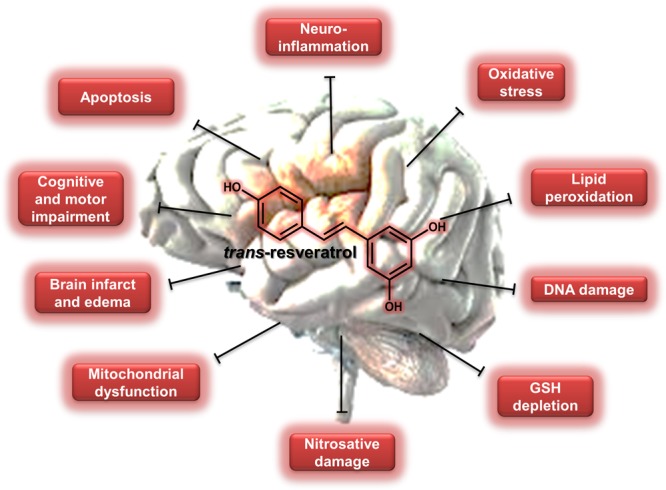
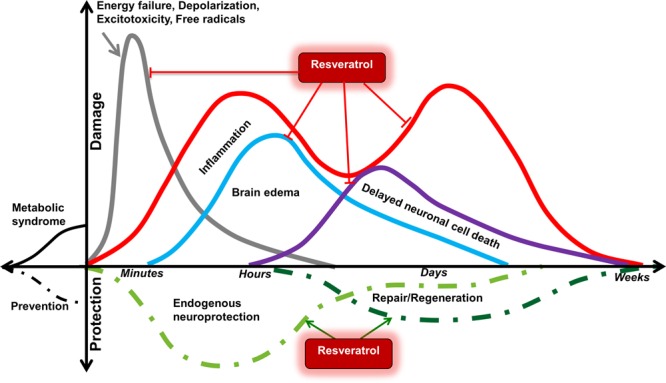
Resveratrol, a natural stilbene present at relatively high concentrations in grape skin and seeds and red wine, is known for its purported antioxidant activity in the vascular and nervous systems. In contrast to its direct antioxidant role within the central nervous system, recent research supports a protective mechanism through increasing endogenous cellular antioxidant defenses, which triggers a cascade of parallel neuroprotective pathways. A growing body of in vitro and in vivo evidence indicates that resveratrol acts through multiple pathways and reduces ischemic damage in vital organs, such as the heart and the brain, in various rodent models. Most of the protective biological actions of resveratrol have been associated with its antioxidative, anti-inflammatory, and antiapoptotic properties and other indirect pathways. Continued public interest and increasing resveratrol supplements on the market warrant a review of the available in vitro and in vivo science reported in the stroke-related literature. Rigorous clinical trials evaluating the effects of resveratrol in stroke are absent, though the general population consumption appears to be relatively safe. Resveratrol has shown potential for treating stroke in laboratory animals and in vitro human cell studies, yet there is still a need for human research in preclinical settings. This review summarizes many of the findings on the neuroprotective potential of resveratrol in cerebral stroke, focusing on both the in vitro and in vivo experimental models and some proposed mechanisms of action.
Figures
References
-
- Albani D.; Polito L.; Signorini A.; Forloni G. (2010) Neuroprotective properties of resveratrol in different neurodegenerative disorders. Biofactors 36, 370–376. - PubMed
-
- Jeandet P.; Douillet-Breuil A. C.; Bessis R.; Debord S.; Sbaghi M.; Adrian M. (2002) Phytoalexins from the Vitaceae: Biosynthesis, phytoalexin gene expression in transgenic plants, antifungal activity, and metabolism. J. Agric. Food Chem. 50, 2731–2741. - PubMed
-
- Ribeiro de Lima M. T.; Waffo-Teguo P.; Teissedre P. L.; Pujolas A.; Vercauteren J.; Cabanis J. C.; Merillon J. M. (1999) Determination of stilbenes (trans-astringin, cis- and trans-piceid, and cis- and trans-resveratrol) in Portuguese wines. J. Agric. Food Chem. 47, 2666–2670. - PubMed
-
- Berzas Nevado J. J.; Contento Salcedo A. M.; Castaneda Penalvo G. (1999) Simultaneous determination of cis- and trans-resveratrol in wines by capillary zone electrophoresis. Analyst 124, 61–66. - PubMed
Publication types
MeSH terms
Substances
Grants and funding
LinkOut - more resources
Full Text Sources
Other Literature Sources
Medical
