Lower incisor dentoalveolar compensation and symphysis dimensions among Class I and III malocclusion patients with different facial vertical skeletal patterns
- PMID: 23758599
- PMCID: PMC8722832
- DOI: 10.2319/011913-48.1
Lower incisor dentoalveolar compensation and symphysis dimensions among Class I and III malocclusion patients with different facial vertical skeletal patterns
Abstract
Objective: To compare lower incisor dentoalveolar compensation and mandible symphysis morphology among Class I and Class III malocclusion patients with different facial vertical skeletal patterns.
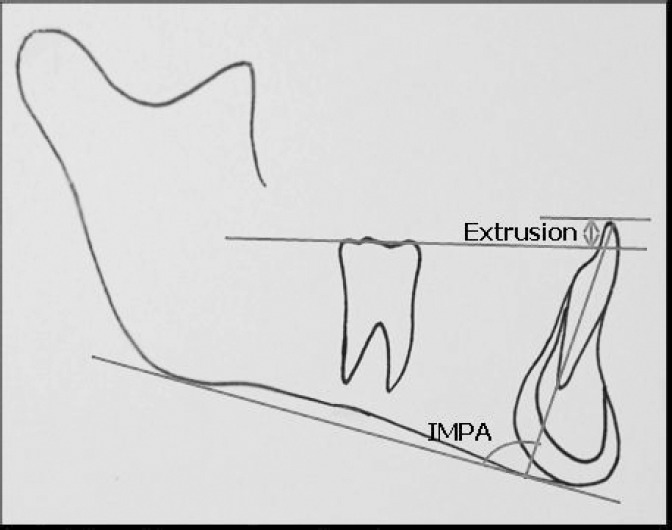
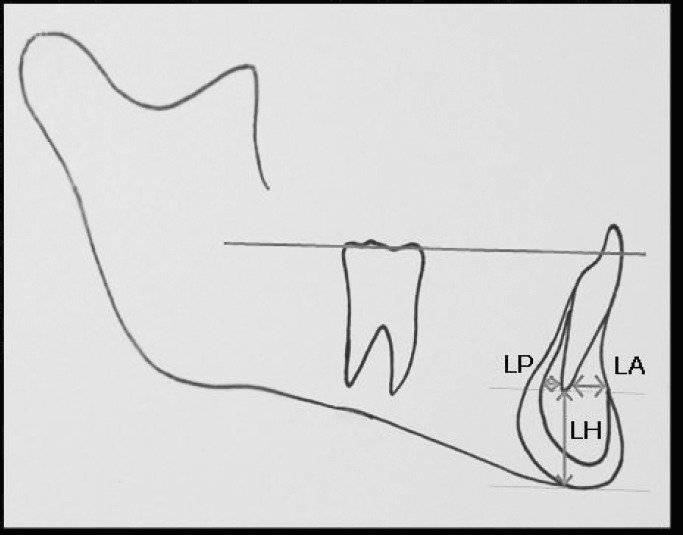
Materials and methods: Lower incisor extrusion and inclination, as well as buccal (LA) and lingual (LP) cortex depth, and mandibular symphysis height (LH) were measured in 107 lateral cephalometric x-rays of adult patients without prior orthodontic treatment. In addition, malocclusion type (Class I or III) and facial vertical skeletal pattern were considered. Through a principal component analysis (PCA) related variables were reduced. Simple regression equation and multivariate analyses of variance were also used.
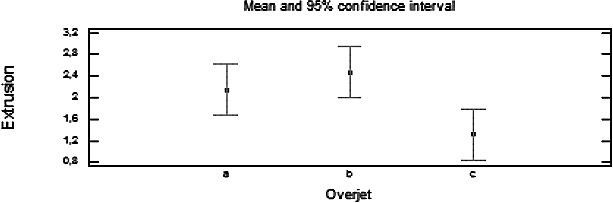
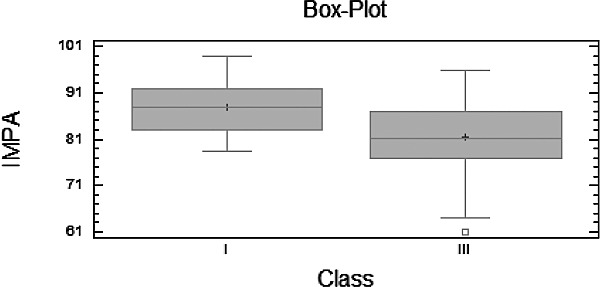
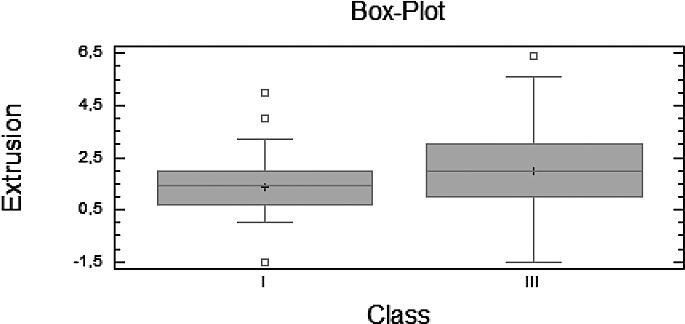
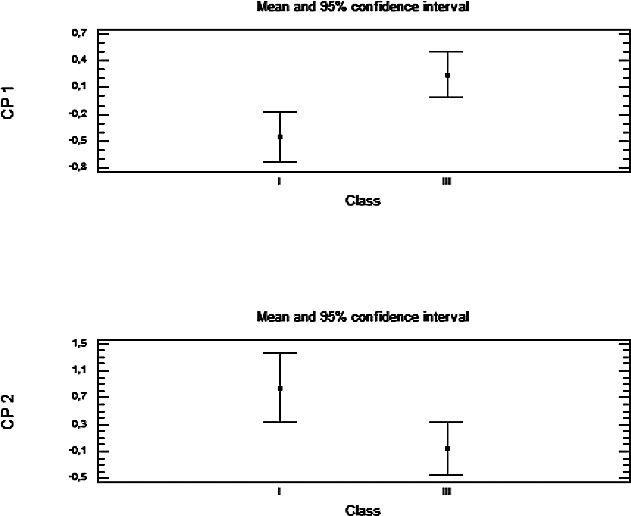
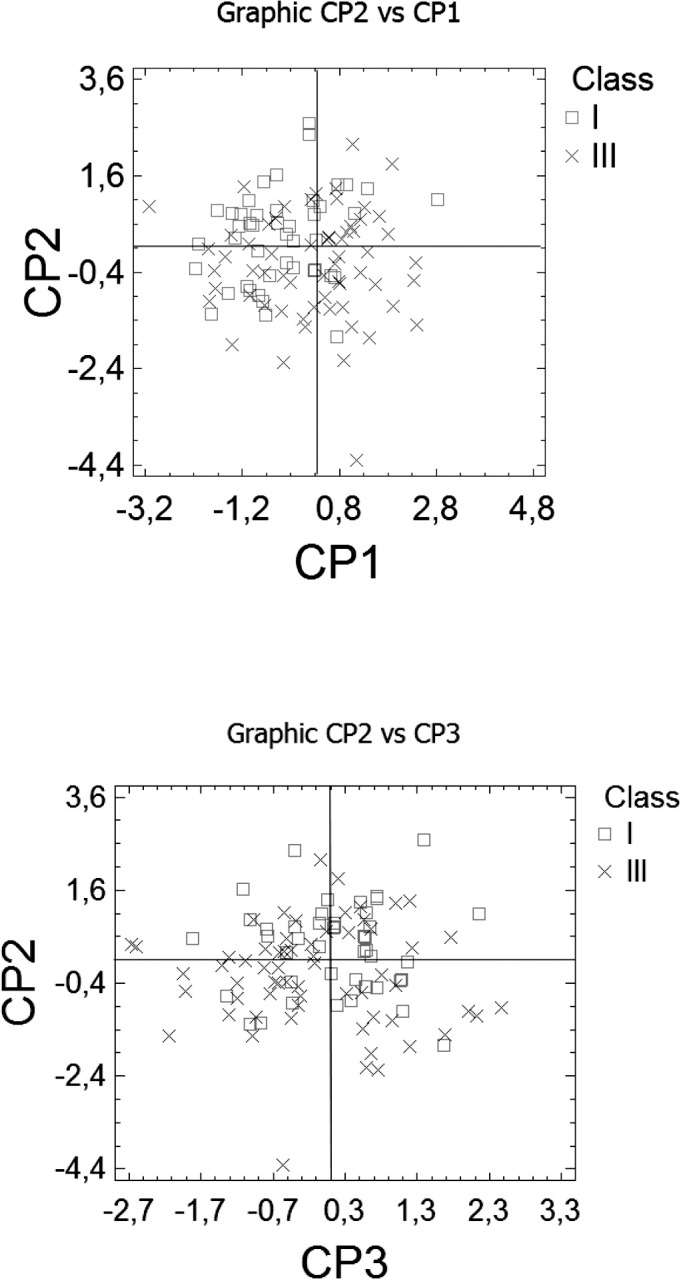
Results: Incisor mandibular plane angle (P < .001) and extrusion (P = .03) values showed significant differences between the sagittal malocclusion groups. Variations in the mandibular plane have a negative correlation with LA (Class I P = .03 and Class III P = .01) and a positive correlation with LH (Class I P = .01 and Class III P = .02) in both groups. Within the Class III group, there was a negative correlation between the mandibular plane and LP (P = .02). PCA showed that the tendency toward a long face causes the symphysis to elongate and narrow. In Class III, alveolar narrowing is also found in normal faces.
Conclusions: Vertical facial pattern is a significant factor in mandibular symphysis alveolar morphology and lower incisor positioning, both for Class I and Class III patients. Short-faced Class III patients have a widened alveolar bone. However, for long-faced and normal-faced Class III, natural compensation elongates the symphysis and influences lower incisor position.
Figures
References
-
- Goldsman S. The variations in skeletal and denture patterns in excellent adult facial types. Angle Orthod. 1959;29:63–92.
-
- Bibby RE. Incisor relationships in different skeletofacial patterns. Angle Orthod. 1980;50:41–44. - PubMed
-
- Jacobson A, Evans WG, Preston CG, Sadowsky PL. Mandibular prognathism. Am J Orthod. 1974;66:140–171. - PubMed
-
- Nielsen IL. Vertical malocclusions: etiology, development, diagnosis and some aspects of treatment. Angle Orthod. 1991;61:247–260. - PubMed
-
- Burns NR, Musich DR, Martin C, Razmus T, Gunel E, Ngan P. Class III camouflage treatment: what are the limits. Am J Orthod Dentofacial Orthop. 2010;137:9. - PubMed
Publication types
MeSH terms
LinkOut - more resources
Full Text Sources
Other Literature Sources