


Colour-encoded paramagnetic microbead-based direct inhibition triplex flow cytometric immunoassay for ochratoxin A, fumonisins and zearalenone in cereals and cereal-based feed
- PMID: 23760139
- PMCID: PMC3765849
- DOI: 10.1007/s00216-013-7095-7
Colour-encoded paramagnetic microbead-based direct inhibition triplex flow cytometric immunoassay for ochratoxin A, fumonisins and zearalenone in cereals and cereal-based feed
Abstract
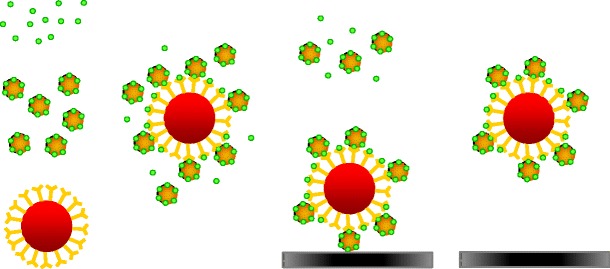
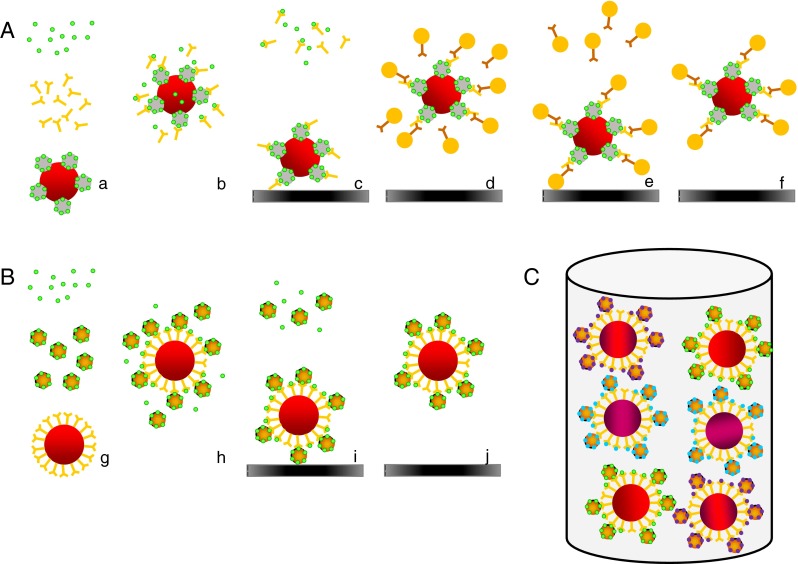
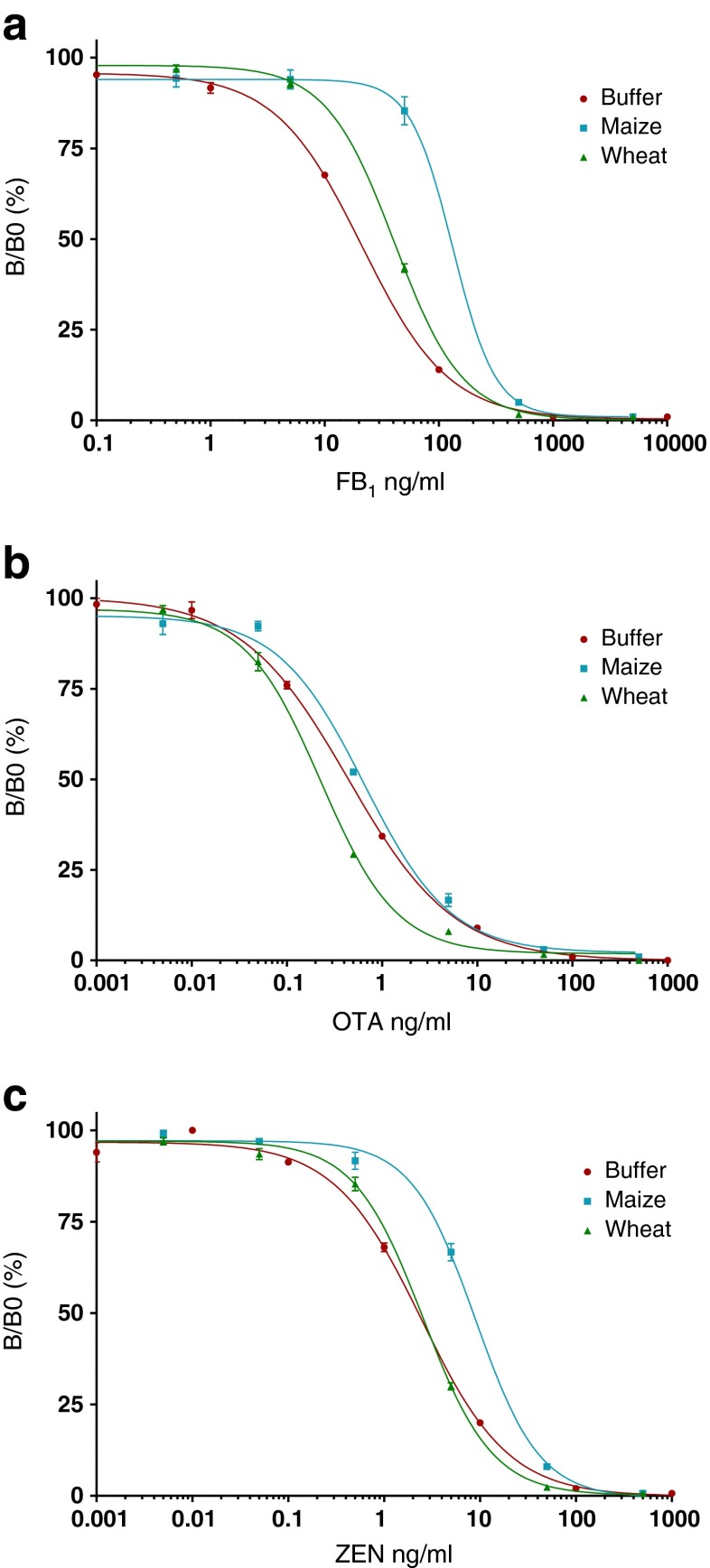
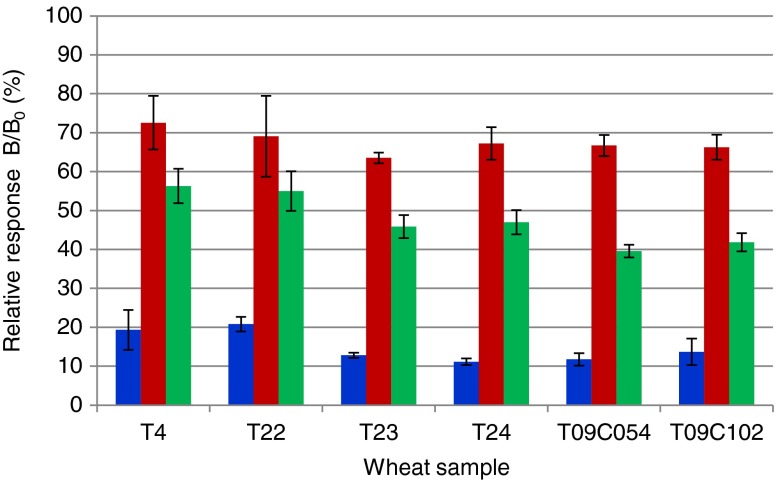
A combined (triplex) immunoassay for the simultaneous detection of three mycotoxins in grains was developed with superparamagnetic colour-encoded microbeads, in combination with two bead-dedicated flow cytometers. Monoclonal antibodies were coupled to the beads, and the amounts of bound mycotoxins were inversely related to the amounts of bound fluorescent labelled mycotoxins (inhibition immunoassay format). The selected monoclonal antibodies were tested for their target mycotoxins and for cross-reactivity with relevant metabolites and masked mycotoxins. In the triplex format, low levels of cross-interactions between the assays occurred at irrelevant high levels only. All three assays were influenced by the sample matrix of cereal extracts to some extent, and matrix-matched calibrations are recommended for quantitative screening purposes. In a preliminary in-house validation, the triplex assay was found to be reproducible, sensitive and sufficiently accurate for the quantitative screening at ML level. The triplex assay was critically compared to liquid chromatography-tandem mass spectrometry using reference materials and fortified blank material. Results for the quantification of ochratoxin A and zearalenone were in good agreement. However, the fumonisin assay was, due to overestimation, only suitable for qualitative judgements. Both flow cytometer platforms (Luminex 100 and FLEXMAP 3D) performed similar with respect to sensitivity with the advantages of a higher sample throughput and response range of the FLEXMAP 3D and lower cost of the Luminex 100.
Figures
References
-
- Rodrigues I, Naehrer K. Biomin Survey 2010: mycotoxins inseparable from animal commodities and feed. AllAboutFeed. 2011;2(2):17–20.
-
- Pedrosa K, Borutova R. Synergistic effects of mycotoxins discussed. Feedstuffs. 2011;83(19):1–3.
-
- Jackson LS, Hlywka JJ, Senthil KR, Bullerman LB, Musser SM. Effects of time, temperature, and pH on the stability of fumonisin B1 in an aqueous model system. J Agric Food Chem. 1996;44(3):906–912. doi: 10.1021/jf950364o. - DOI
-
- Shetty PH, Bhat RV. Natural occurrence of fumonisin B1 and its co-occurrence with aflatoxin B1 in Indian sorghum, maize, and poultry feeds. J Agric Food Chem. 1997;45(6):2170–2173. doi: 10.1021/jf960607s. - DOI
-
- Commission Regulation (EC) No 1881/2006 of 19 December 2006 setting maximum levels for certain contaminants in foodstuffs (2006) J Eur Union L364:5–24
Publication types
MeSH terms
Substances
LinkOut - more resources
Full Text Sources
Other Literature Sources
Medical
