


Sleep disturbance in mental health problems and neurodegenerative disease
- PMID: 23761983
- PMCID: PMC3674021
- DOI: 10.2147/NSS.S34842
Sleep disturbance in mental health problems and neurodegenerative disease
Abstract
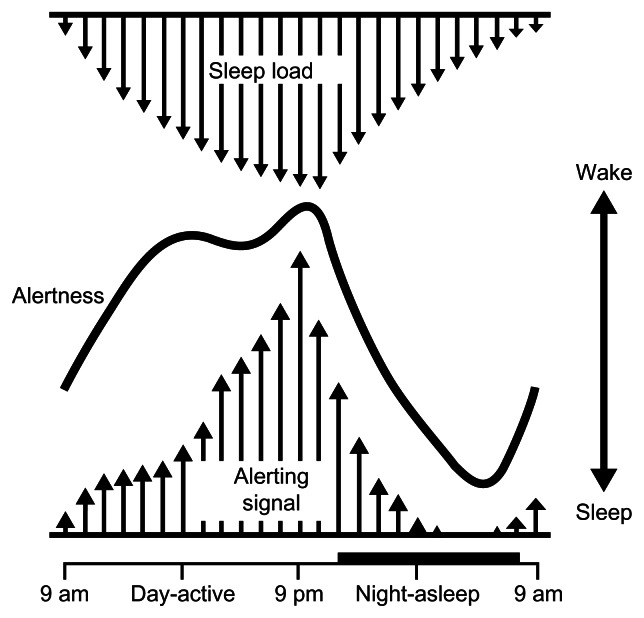
Sleep has been described as being of the brain, by the brain, and for the brain. This fundamental neurobiological behavior is controlled by homeostatic and circadian (24-hour) processes and is vital for normal brain function. This review will outline the normal sleep-wake cycle, the changes that occur during aging, and the specific patterns of sleep disturbance that occur in association with both mental health disorders and neurodegenerative disorders. The role of primary sleep disorders such as insomnia, obstructive sleep apnea, and REM sleep behavior disorder as potential causes or risk factors for particular mental health or neurodegenerative problems will also be discussed.
Keywords: cognition; mental health; neurodegenerative disorders; sleep.
Figures

References
-
- Fuller PM, Gooley JJ, Saper CB. Neurobiology of the sleep-wake cycle: sleep architecture, circadian regulation, and regulatory feedback. J Biol Rhythms. 2006;21(6):482–493. - PubMed
-
- Iber C, Ancoli-Israel S, Chesson A, Quan S, editors. The American Academy of Sleep Medicine Manual for the Scoring of Sleep and Associated Events: Rules, Terminology and Technical Specifications. Westchester, Illinois: Amercian Academy of Sleep Medicine; 2007.
-
- Borbély AA. A two process model of sleep regulation. Hum Neurobiol. 1982;1(3):195–204. - PubMed
-
- Czeisler CA, Duffy JF, Shanahan TL, et al. Stability, precision, and near-24-hour period of the human circadian pacemaker. Science. 1999;284(5423):2177–2181. - PubMed
LinkOut - more resources
Full Text Sources
Other Literature Sources
