. 2013 Jun 14;4(1):16.
doi: 10.1186/1878-5085-4-16.

Predictive, preventive, personalised and participatory periodontology: 'the 5Ps age' has already started

Affiliations

Predictive, preventive, personalised and participatory periodontology: 'the 5Ps age' has already started

Carlo Cafiero et al. EPMA J. .

Abstract

An impressive progress in dentistry has been recorded in the last decades. In order to reconsider guidelines in dentistry, it is required to introduce new concepts of personalised patient treatments: the wave of predictive, preventive and personalised medicine is rapidly incoming in dentistry. Worldwide dentists have to make a big cultural effort in changing the actual 'reactive' therapeutic point of view, belonging to the last century, into a futuristic 'predictive' one. The first cause of tooth loss in industrialised world is periodontitis, a Gram-negative anaerobic infection whose pathogenesis is genetically determined and characterised by complex immune reactions. Chairside diagnostic tests based on saliva, gingival crevicular fluid and cell sampling are going to be routinely used by periodontists for a new approach to the diagnosis, monitoring, prognosis and management of periodontal patients. The futuristic '5Ps' (predictive, preventive, personalised and participatory periodontology) focuses on early integrated diagnosis (genetic, microbiology, host-derived biomarker detection) and on the active role of the patient in which networked patients will shift from being mere passengers to responsible drivers of their health. In this paper, we intend to propose five diagnostic levels (high-tech diagnostic tools, genetic susceptibility, bacterial infection, host response factors and tissue breakdown-derived products) to be evaluated with the intention to obtain a clear picture of the vulnerability of a single individual to periodontitis in order to organise patient stratification in different categories of risk. Lab-on-a-chip (LOC) technology may soon become an important part of efforts to improve worldwide periodontal health in developed nations as well as in the underserved communities, resource-poor areas and poor countries. The use of LOC devices for periodontal inspection will allow patients to be screened for periodontal diseases in settings other than the periodontist practice, such as at general practitioners, general dentists or dental hygienists. Personalised therapy tailored with respect to the particular medical reality of the specific stratified patient will be the ultimate target to be realised by the 5Ps approach. A long distance has to be covered to reach the above targets, but the pathway has already been clearly outlined.


Figures
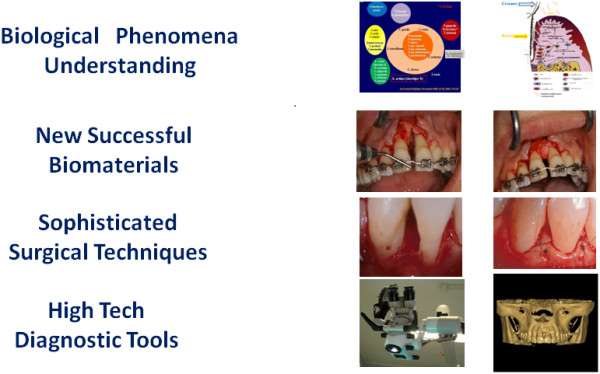
Figure 1
Figure 1
Advances in biological and technical research are clearly outlining the pathway for the future of dentistry.
Figure 2
Figure 2
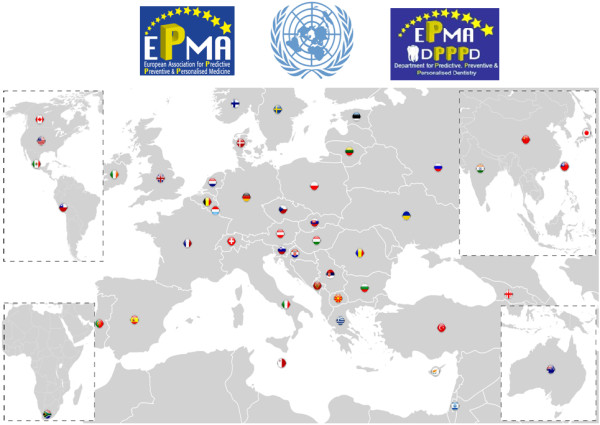
EPMA is present in 44 countries worldwide. The EPMA Department for Predictive, Preventive and Personalised Dentistry is going to make a big cultural effort in changing worldwide dentists' therapeutic point of view from a reactive to a predictive one. (Adapted from [1]).
Figure 3
Figure 3
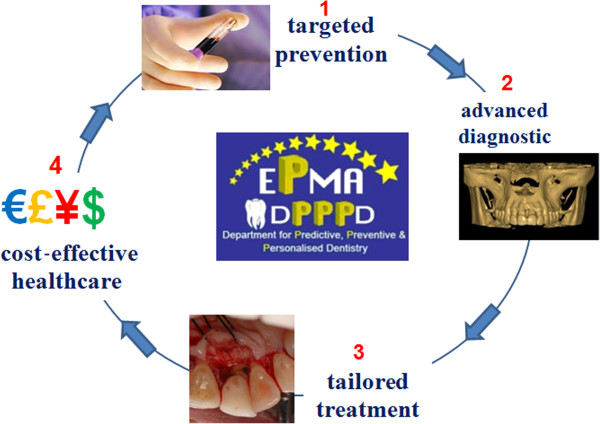
Since the European population is becoming progressively older, the prevention of periodontitis is of capital importance. Well-organised screenings have to be performed in order to organise targeted prevention and cost-effective healthcare.
Figure 4
Figure 4
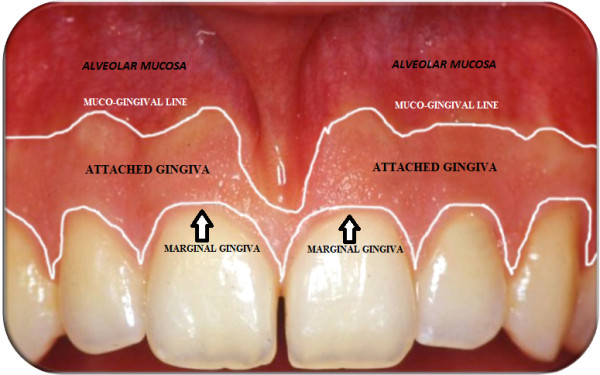
Marginal (free) gingiva, attached gingiva and alveolar mucosa.
Figure 5
Figure 5
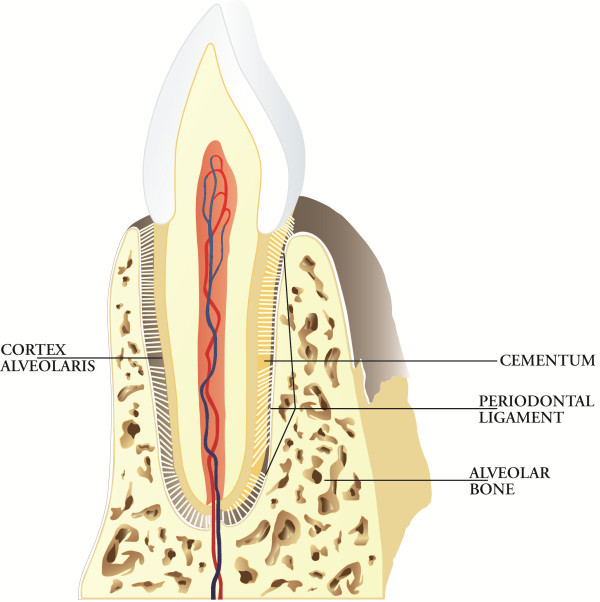
Deep periodontium. The main function of the deep periodontium is to support the teeth in their sockets and to act as a sensory receptor necessary for the proper positioning of the jaws and the proper pressure to be exercised during mastication.
Figure 6
Figure 6
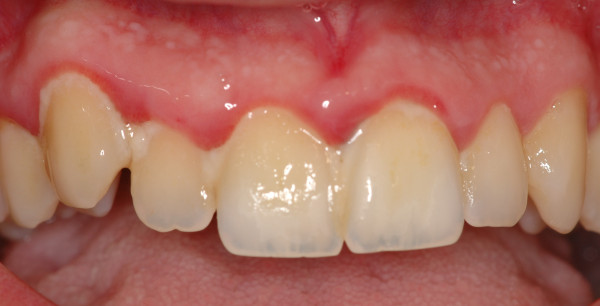
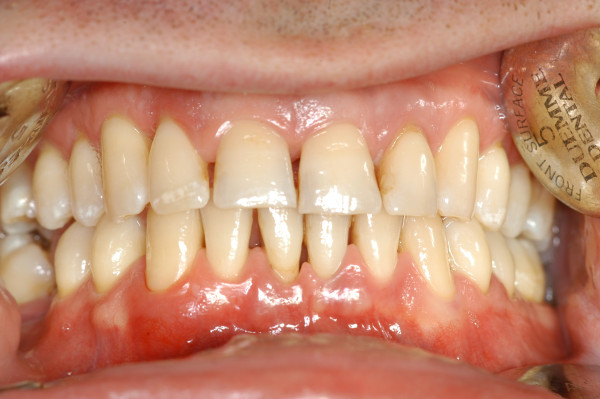
Upper jaw acute gingivitis in a non-smoker 26-year-old male patient. Abundant plaque deposit is visible on the surfaces of the teeth.
Figure 7
Figure 7
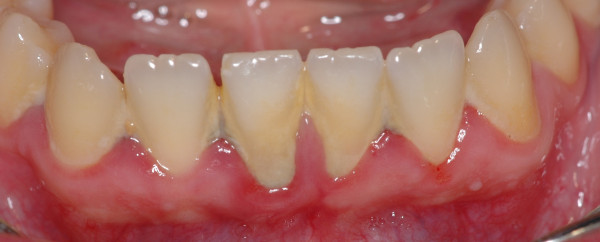
Lower jaw of the same patient. Calculus covers the entire surfaces of the teeth.
Figure 8
Figure 8
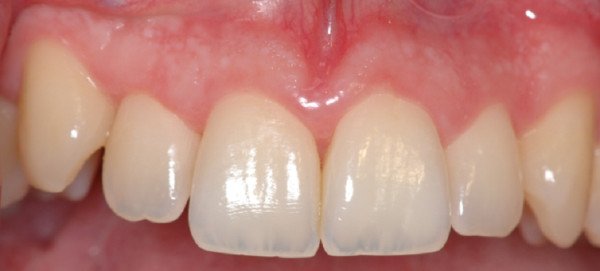
Upper jaw. Complete resolution of acute gingivitis and restitutio ad integrum.
Figure 9
Figure 9
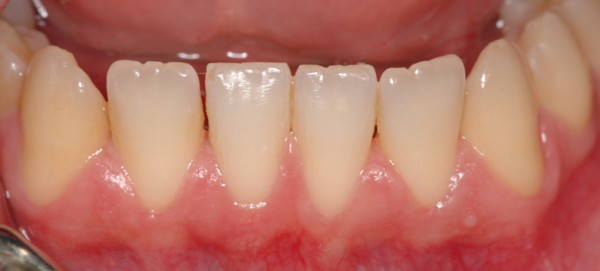
Lower jaw. The patient's compliance is of capital importance for a long-term result.
Figure 10
Figure 10
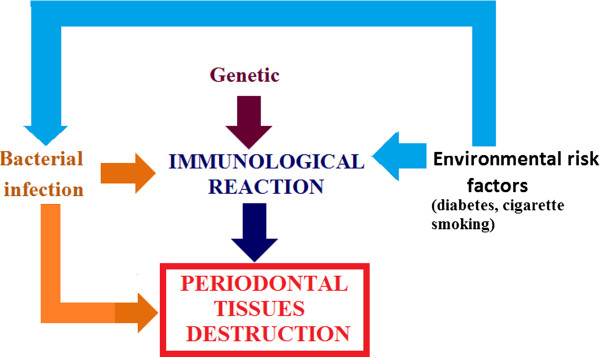
Periodontitis is a result of a complex bacteria-host response in genetically oriented patients. Co-factors such as diabetes and cigarette smoking are strongly associated with the aggravation of periodontitis.
Figure 11
Figure 11
Generalised chronic periodontitis. The amount of periodontal tissue destruction commensurate with sub-gingival calculus and plaque amounts, diffuse pathological probing depth, mobility and migration are the main characteristics of this pathology.
Figure 12
Figure 12
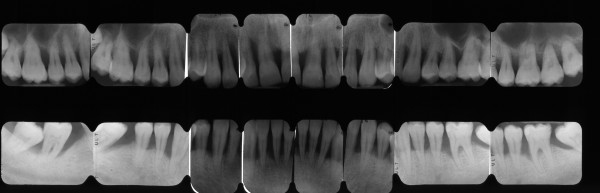
Full-mouth series periapical X-rays show diffuse horizontal bone loss.
Figure 13
Figure 13
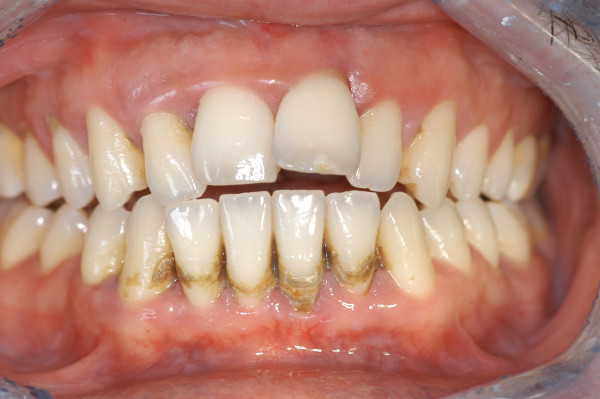
Generalised aggressive periodontitis. The scarce amount of microbial deposits is conflicting with the severity of periodontal tissue destruction as shown in Figure 14.
Figure 14
Figure 14
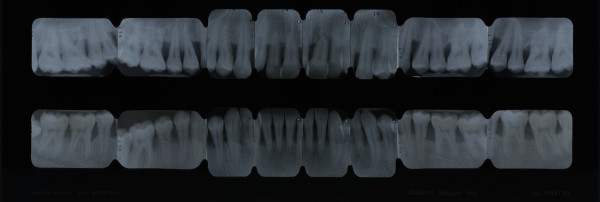
Full-mouth series periapical X-rays. Advanced bone destruction is evident.
Figure 15
Figure 15
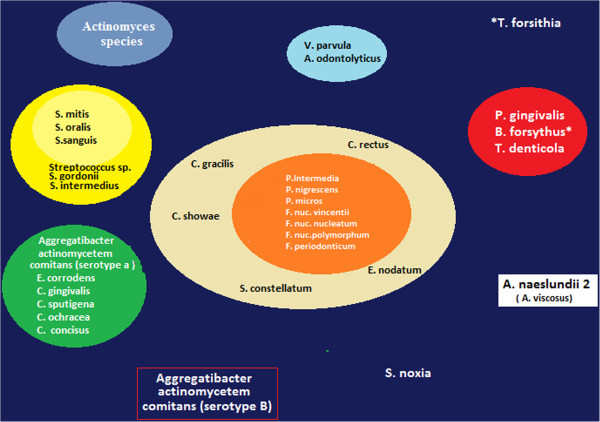
Specific associations among bacterial species within dental plaque characterise five closely associated clusters. (Adapted from [16]).
Figure 16
Figure 16
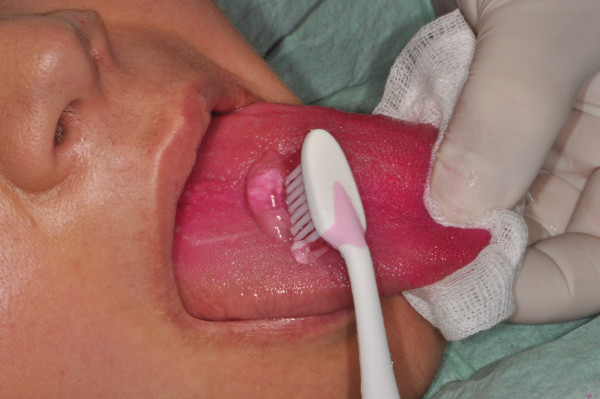
Tongue dorsum brushing with 0.5%chlorhexidine gel. The red colour of the tongue is due to the use of erythrosine pads that have the capability to reveal the presence of bacterial plaque on the teeth and soft tissue. Chlorhexidine (0.12%) puffs on the tonsils and chlorhexidine (0.12%) mouth rinse are further procedures necessary to eradicate periodontal pathogens from the whole mouth.
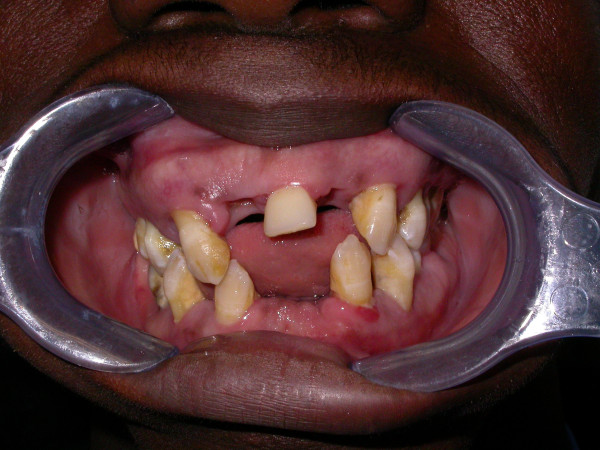
Figure 17
Figure 17
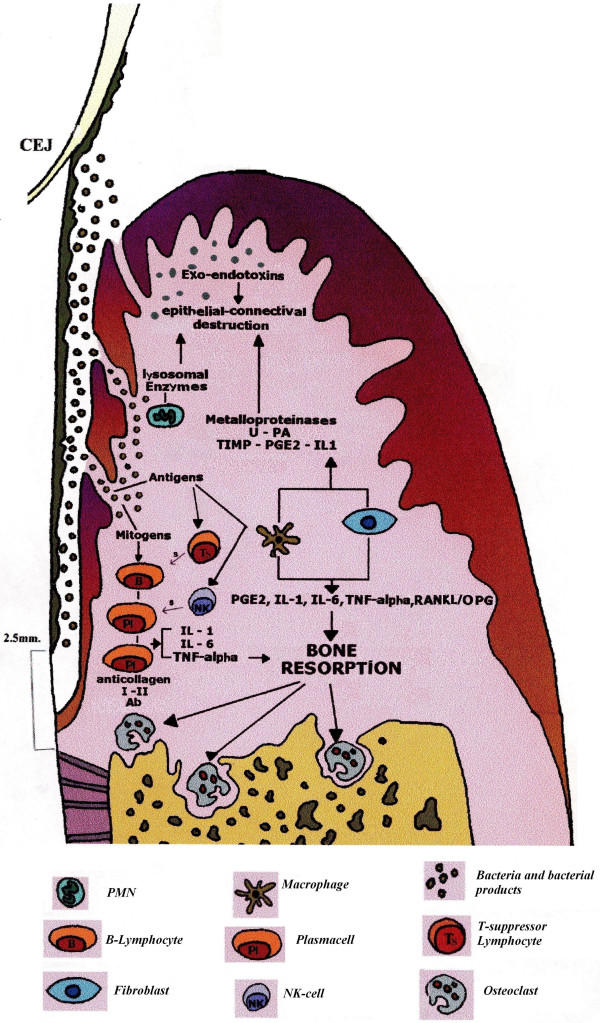
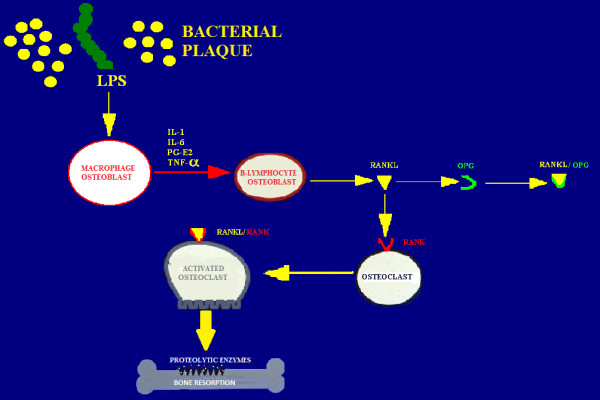
The mortal fight among bacteria and immunocompetent cells. It can devastate the ‘periodontal battlefield’ since defensive immunitary reaction could paradoxically contribute to the tissue destruction. Activated polymorphonuclear leukocytes, indeed, can cause tissue damage as a result of a variety of enzymes and oxygen metabolites that are released from their granules during the battle against microbes. Bacterial LPSs activate macrophages, lymphocytes and fibroblasts which secrete lymphokines activating MMPs. Metalloproteinases are enzymes that degrade the connective extracellular matrix and can be detected in gingival crevicular fluid. Finally, many substances (PGE2, IL-1, IL-6, TNF-α) secreted by Mø, fibroblasts, plasma cells and T lymphocytes are primarily involved in osteoclastic activation via the RANKL-OPG expression system.
Figure 18
Figure 18
The RANKL-OPG expression system. Under physiological condition, RANKL produced by osteoblasts binds to RANK on the surface of osteoclast precursors. OPG is produced by fibroblasts constituting a false target for RANKL. The balanced regulation of the RANKL-OPG expression system can determine health from disease.
Figure 19
Figure 19
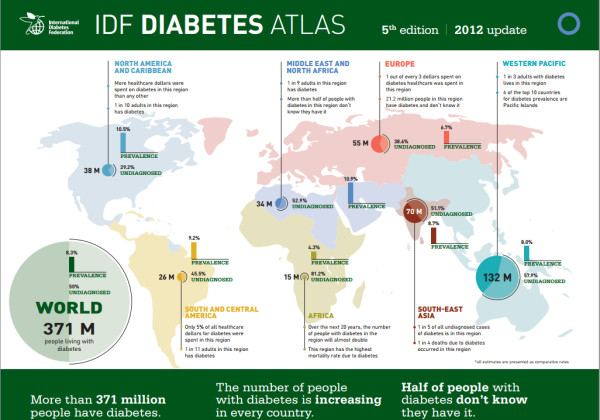
More than 371 million people have diabetes worldwide and the number is increasing in every country. It is important to highlight that half of the people with diabetes do not know that they have it, and for this reason, the majority of people who die from diabetes are under the age of 60. Nearly 5 million people died and US$471 billion were spent due to diabetes in 2012. International organisations are going to face a dramatic diabetic emergency in the next years. (Adapted from [28]).
Figure 20
Figure 20
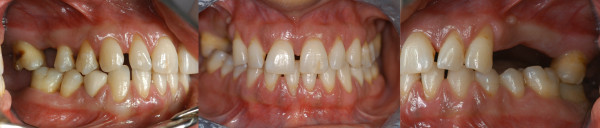
Full-mouth high-definition digital photographs. By the use of a high-resolution professional digital camera, the operator takes a series of pictures during the initial visit. Before and after pictures can give periodontists and patients an objective representation of periodontal health improvement. Thus, the camera is a fantastic educational aid to reinforce the compliance of the patients and a diagnostic tool for the periodontist.
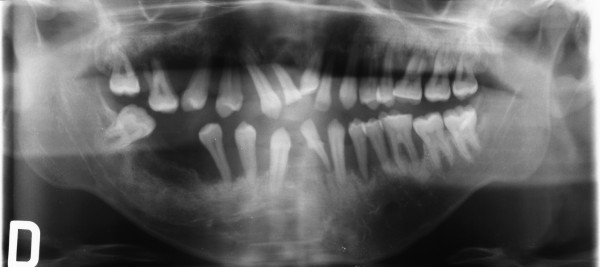
Figure 21
Figure 21
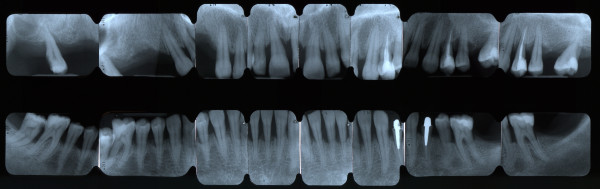
A full-mouth X-ray series. It is an important diagnostic support in periodontal patients (14/16 periapical X-rays) since it creates a full view of the patient's teeth and surrounding bone tissue.
Figure 22
Figure 22
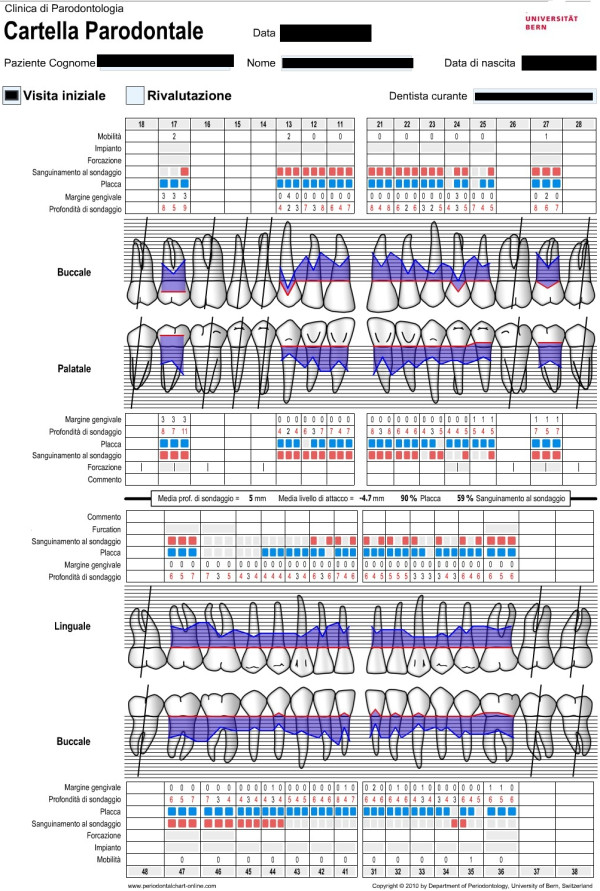
Periodontal charting provides a complete picture of the periodontal conditions of a single patient. (Adapted from [62]).
Figure 23
Figure 23
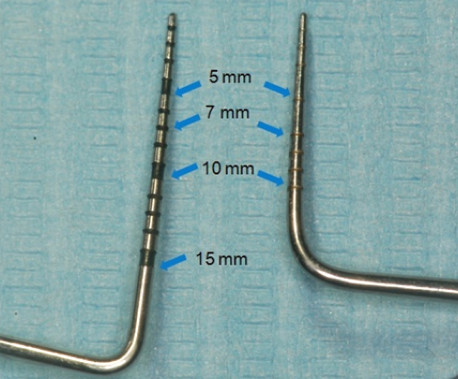
Calibrated periodontal probes are routinely used for periodontal screening.
Figure 24
Figure 24
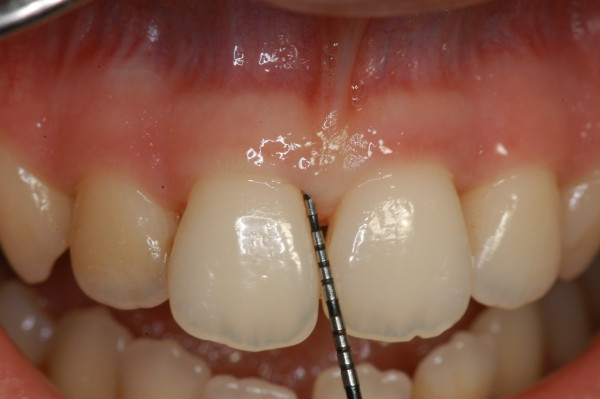
A periodontal probe. It is inserted into the sulcus and in a parallel position with respect to the long axis of the tooth. The physiological value of PPD is considered to be ≤3 mm. PPD allows an immediate evaluation of diseased sites.
Figure 25
Figure 25
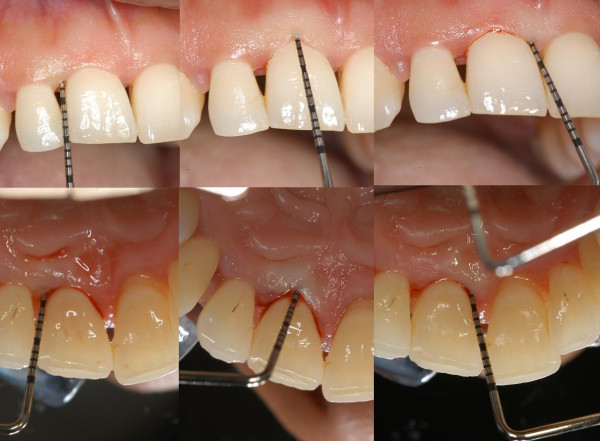
PPD and CAL measurements. They are taken for each tooth at (left to right) the mesio-buccal line angle, the mid-buccal, the distobuccal line angle, the distolingual line angle, the mid-lingual and the mesio-lingual line.
Figure 26
Figure 26
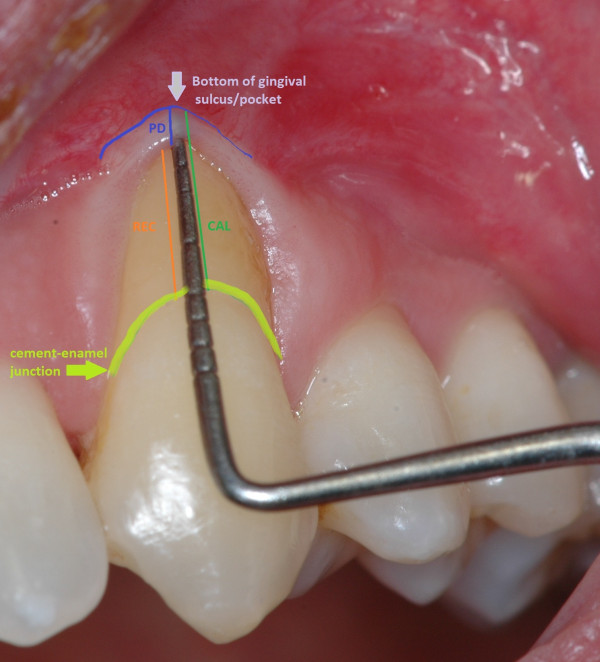
PPD, CAL and REC measurements. PPD (blue line) is the distance from the gingival margin to the bottom of the gingival sulcus/pocket. CAL (green line) is assessed by means of a graduated probe and expressed as the distance in millimetres from the CEJ to the bottom of the periodontal pocket. REC (orange line) is defined as the apical migration of the gingival margin. It is measured from the cement-enamel junction (curved yellow green line) to the gingival margin.
Figure 27
Figure 27
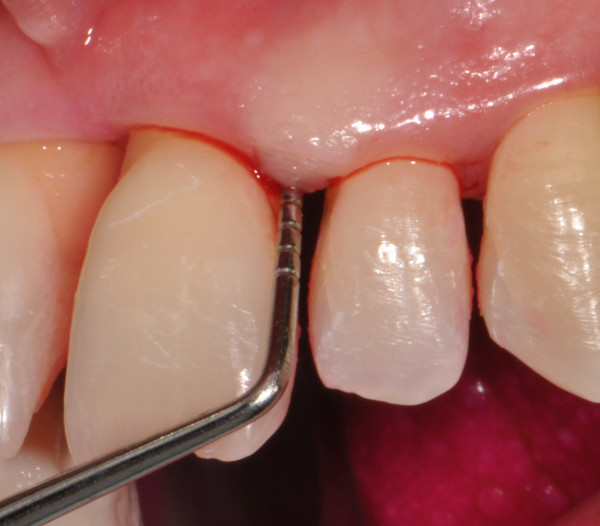
Blood coming out from the bottom of the pocket can be recorded during probing (BoP+).
Figure 28
Figure 28
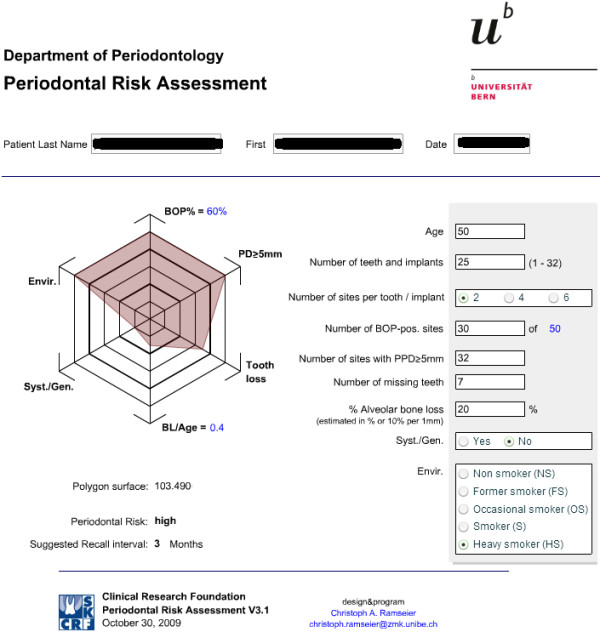
Spider's web. It consists of an assessment of the level of infection of a single patient contemplated and evaluated together. In the present case, a heavy-smoker 50-year-old patient presents a high periodontal risk (30 BOP + sites, 32 sites with PPD ≥ 5 mm). (Adapted from [67]).
Figure 29
Figure 29
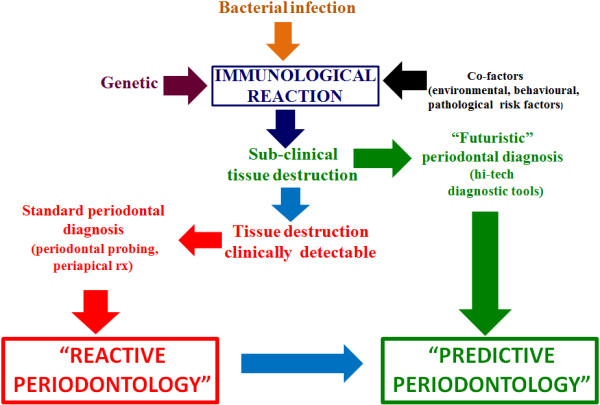
The aim of predictive, preventive, personalised, participatory periodontology. The aim is to transform the actual reactive therapeutic point of view, in which tissues destruction is clinically detectable, into a futuristic predictive one in which the disease is early intercepted when it is already in a sub-clinical phase.
Figure 30
Figure 30
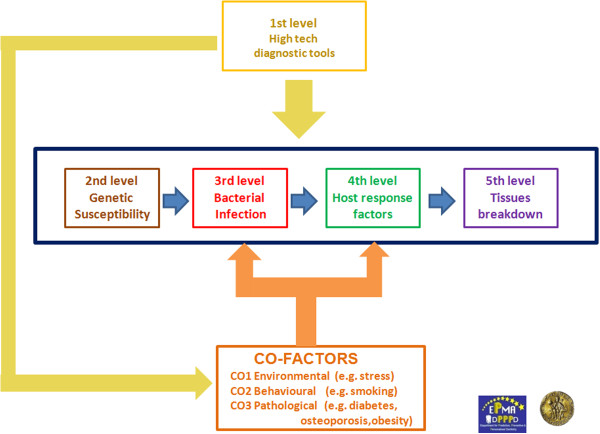
5Ps flow chart. Five levels characterise a futuristic approach for periodontal diagnosis. The first level is represented by high-tech diagnostic tools such as LOC and CBCT. In the next future, LOC will be able to give us genetic, microbiological and host-derived information in real time. Co-factors (e.g. diabetes, osteoporosis) will be detected by the use of dedicated high-tech chairside diagnostic tools. Moreover, a detailed bone tissue morphology is revealed by low-radiation digital computed tomography which offers a digital volume composed of three-dimensional voxels that can then be manipulated with specialised software. The second level will provide useful information about the genetic susceptibility of a single patient, while the third level will give us the presence of causative bacterial factors in dental plaque. Finally, host-derived biomarkers (host response factors and factors derived from periodontal tissue breakdown) will be chairside-detected in order to early intercept periodontal destruction.
Figure 31
Figure 31
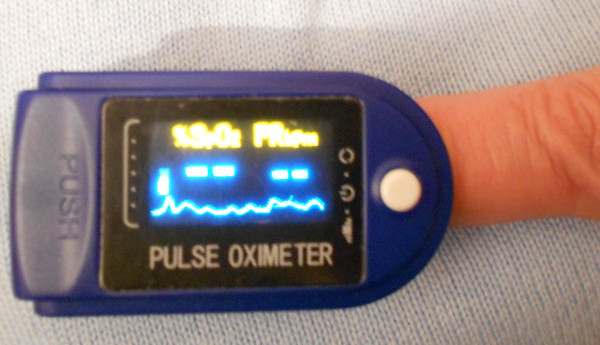
Lab-on-a-chip micronised pulse oximeter. Until a few years ago, the diagnostic tool shown in the picture was sensibly bigger than the current one, and for this reason, it could be used only in hospitals. Nowadays, thanks to the reduced dimensions, the oximeter can be lent from hospitals to patients, who can so check daily their oxygen absorption in their own houses.
Figure 32
Figure 32
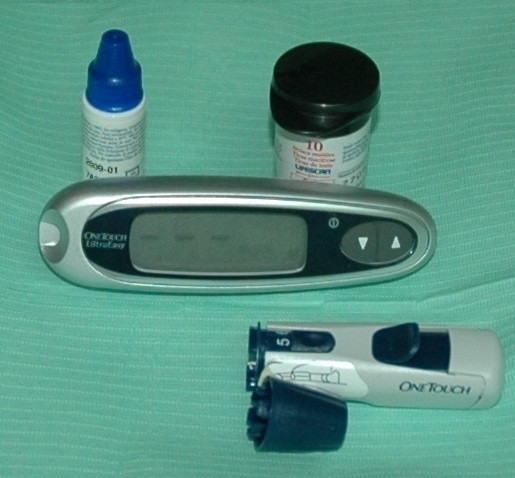
Probably the first chairside lab-on-a-chip utilised was the illustrated tool to check glycaemic level. This instrument can be useful for initial diabetes screening in patients at risk. By the use of the patient's single blood drop, the operator can inspect, in a few minutes, the actual glycaemic level in the patient's blood.
Figure 33
Figure 33
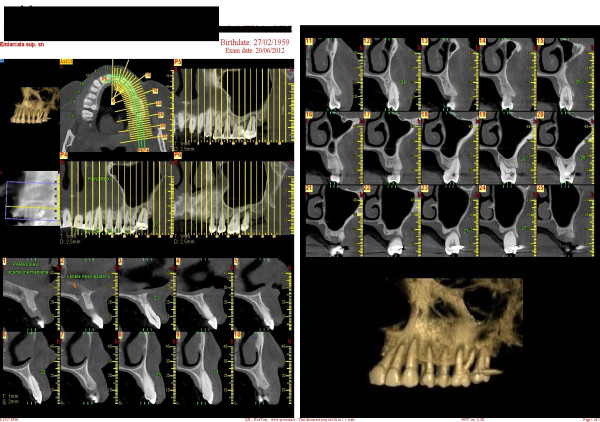
MSCT. It collects the anatomical data and produces a digital volume composed of three-dimensional voxels that can then be visualised and manipulated with specialised software. A three-dimensional reconstruction of the upper and lower maxillae can be obtained, and anatomical structures can be easily inspected.
Figure 34
Figure 34
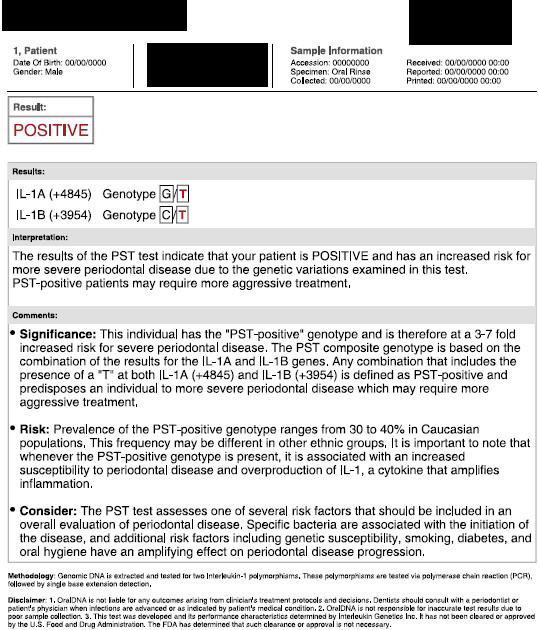
PST-positive genotype test interleukin-1A (+4845) and interleukin-1B (+3954). Several studies encourage the routine application of such tests to assess periodontal risk in a single patient.
Figure 35
Figure 35
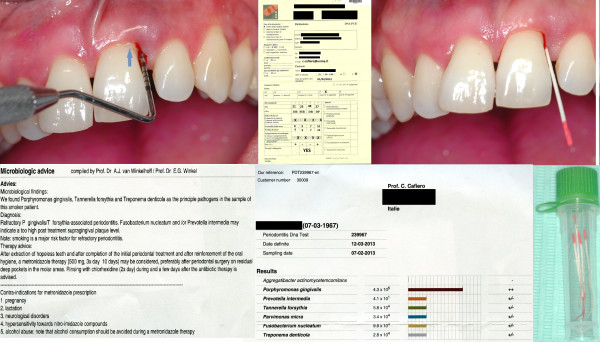
Consecutive steps to perform a correct DNA-based chairside test (semi-quantitative PCR) for bacterial plaque analysis. Clinical diagnosis (chronic periodontitis or aggressive periodontitis), cigarette smoking, systemic pathologies and antibiotic consumption are the initial information requested. Then, a meticulous removal of supra-gingival plaque has to be performed. After that (see the figure clockwise), periodontal charting detects four different sites showing the deepest probing pocket depth whose values were reported on a DNA-PCR form. Clinical attachment level measures of the selected sites are also requested. In the present case, pyorrhea was present (blue arrow). Samples of sub-gingival plaque are carried out by the insertion of sterile paper points into the deepest pockets in each quadrant. Paper points are then stored into a vial and the samples sent to a specialised laboratory to perform the DNA examination and identification of bacterial species, together with the DNA-PCR form. The number of target bacteria is determined semi-quantitatively (0 to +++) and sent to the periodontist together with the diagnosis and therapy advice. Results are useful for the periodontist who will have a picture of a single patient's microbiological infection and for the patients in order to reinforce their compliance. Finally, the periodontist, having considered the species found, should propose an individually tailored maintenance care programme to a single patient.
Figure 36
Figure 36
A 24-year-old patient from Nigeria suffering from generalised aggressive periodontitis. Periodontal diagnosis was effected in Naples (Italy) when the disease had already destroyed up to 80% of the periodontal supporting bone.
Figure 37
Figure 37
A panoramic X-ray of the same patient. An advanced generalised destruction of the supporting bone tissue is evident. One of the most important topics in periodontal diagnosis in the next future will be to create microfluidic chips allowing healthcare providers in poorly equipped hospitals and areas of the world.

References

    1. European Association for Predictive, Preventive and Personalised Medicine - EPMA. [ http://www.epmanet.eu]
    1. Golubnitschaja O, Costigliola V. EPMA. General report & recommendations in predictive, preventive and personalised medicine 2012: white paper of the European Association for Predictive, Preventive and Personalised Medicine. EPMA J. 2012;3:14. - PMC - PubMed
    1. Lindhe J, Lang NP, Karring T. In: Clinical Periodontology and Implant Dentistry. Volume 1. 5. Lindhe J, Karring T, Araujo M, editor. Copenhagen: Blackwell Munksgaard; 2008. The anatomy of periodontal tissue; pp. 3–48.
    1. Armitage GC. Development of a classification system for periodontal diseases and conditions. Ann Periodontol. 1999;4:1–6. - PubMed
    1. Socransky SS. Microbiology of periodontal disease – present status and future considerations. J Periodontol. 1977;48(9):497–504. - PubMed

LinkOut - more resources