


The effects of neural gain on attention and learning
- PMID: 23770566
- PMCID: PMC3725201
- DOI: 10.1038/nn.3428
The effects of neural gain on attention and learning
Abstract
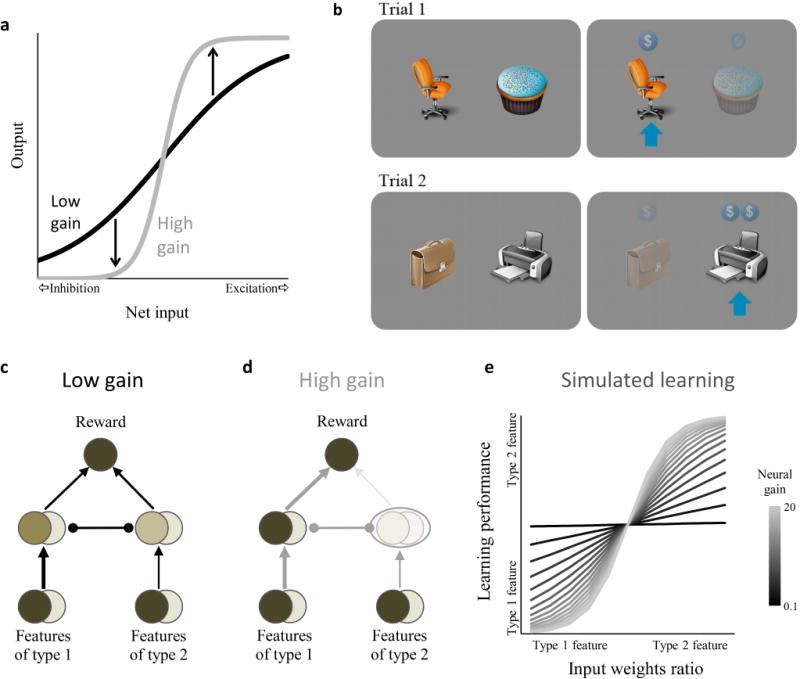
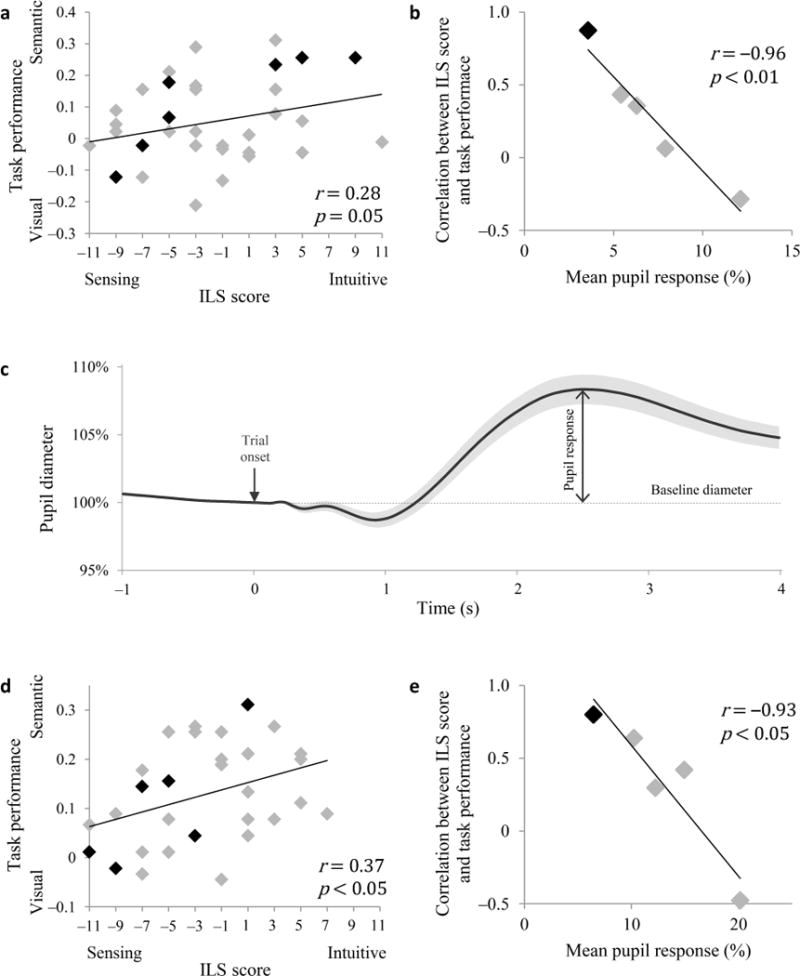
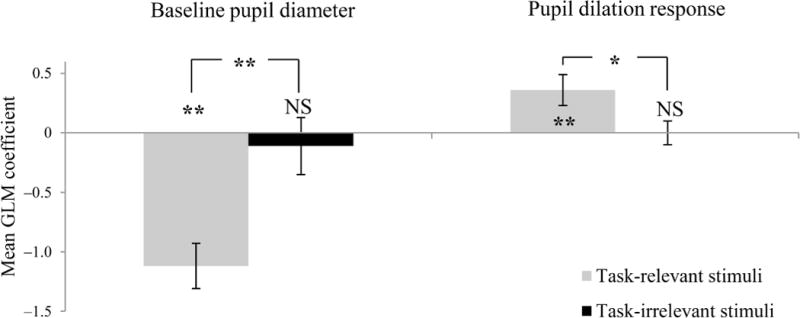
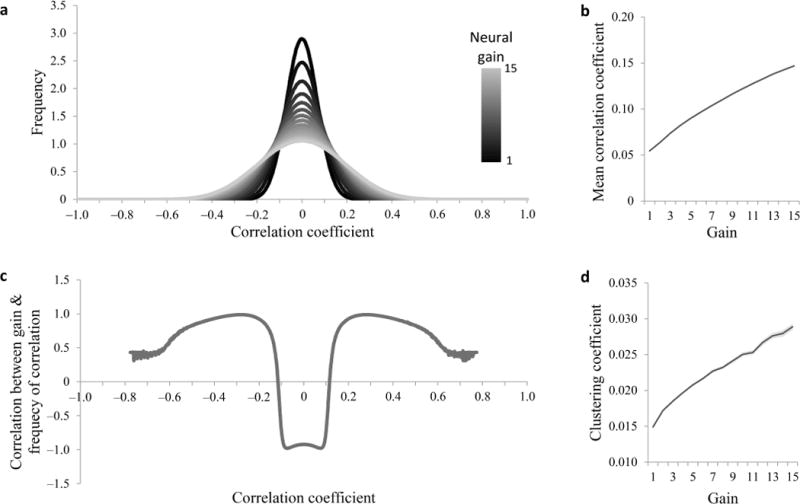
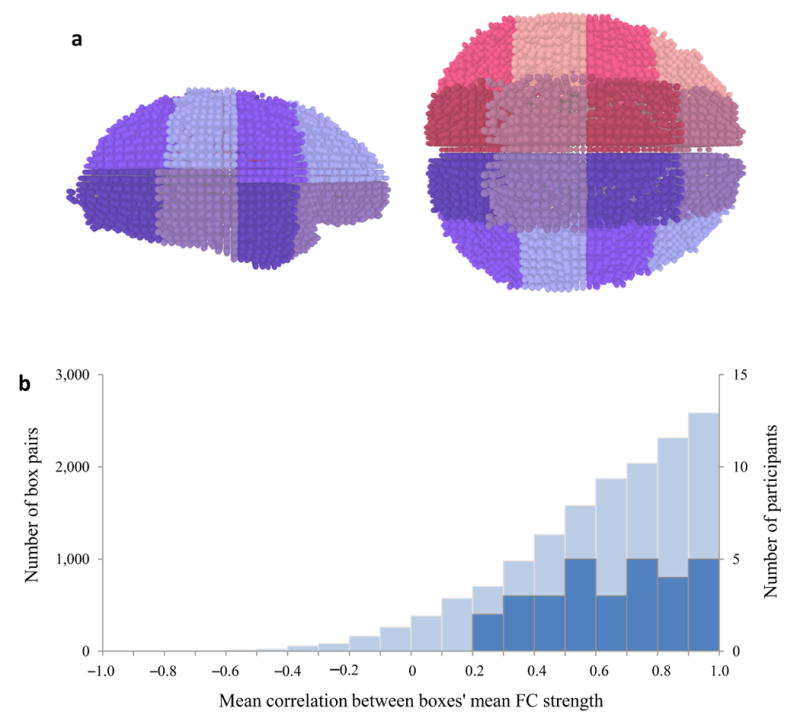
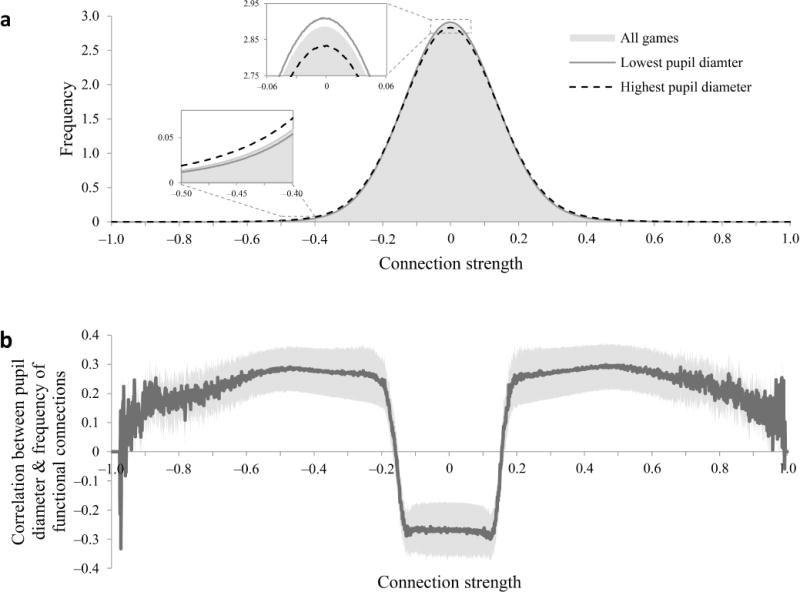
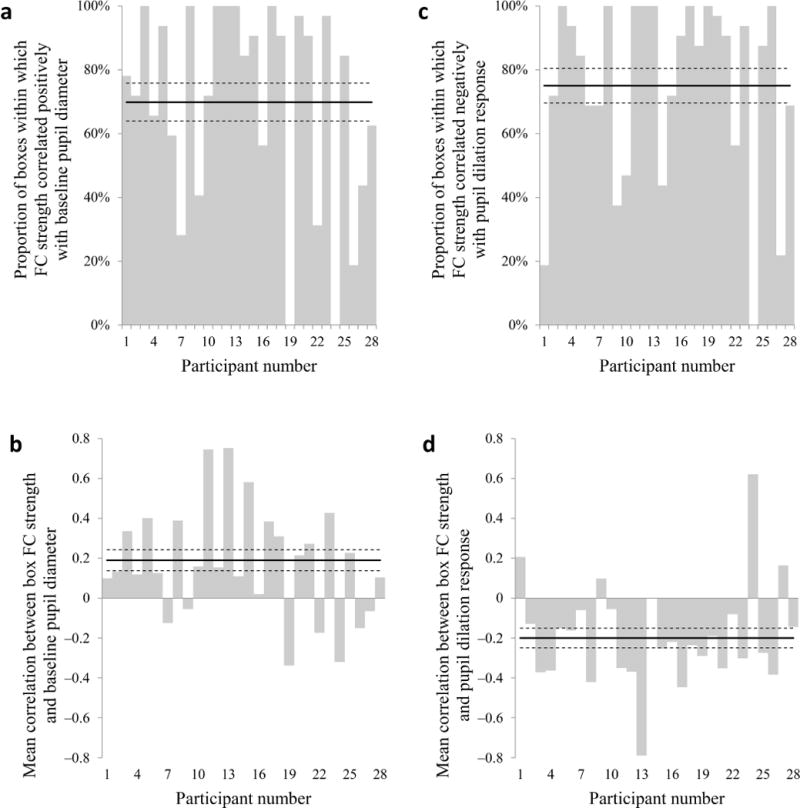
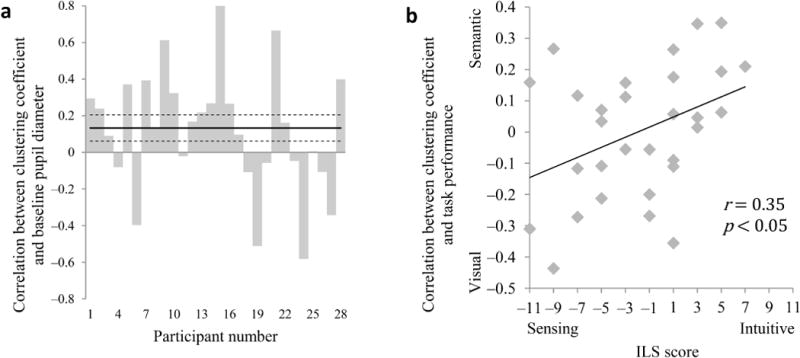
Attention is commonly thought to be manifest through local variations in neural gain. However, what would be the effects of brain-wide changes in gain? We hypothesized that global fluctuations in gain modulate the breadth of attention and the degree to which processing is focused on aspects of the environment to which one is predisposed to attend. We found that measures of pupil diameter, which are thought to track levels of locus coeruleus norepinephrine activity and neural gain, were correlated with the degree to which learning was focused on stimulus dimensions that individual human participants were more predisposed to process. In support of our interpretation of this effect in terms of global changes in gain, we found that the measured pupillary and behavioral variables were strongly correlated with global changes in the strength and clustering of functional connectivity, as brain-wide fluctuations of gain would predict.
Figures
Comment in
-
Brain-wide gain modulation: the rich get richer.Nat Neurosci. 2013 Aug;16(8):989-90. doi: 10.1038/nn.3471. Nat Neurosci. 2013. PMID: 23887133 No abstract available.
References
-
- Felder RM, Silverman LK. Learning and teaching styles in engineering education. J Eng Educ. 1988;78:674–681.
-
- Coffield F, Moseley D, Hall E, Ecclestone K. Learning Styles and Pedagogy in Post-16 Learning: A Systematic and Critical Review. Learning and Skills Research Centre; London: 2004.
-
- Felder RM, Spurlin J. Application, Reliability and Validity of the Index of Learning Styles. Education. 2005;21:103–112.
-
- Servan-Schreiber D, Printz H, Cohen JD. A network model of catecholamine effects: gain, signal-to-noise ratio, and behavior. Science. 1990;249:892–895. - PubMed
-
- Aston-Jones G, Cohen JD. An integrative theory of locus coeruleus-norepinephrine function: adaptive gain and optimal performance. Annu Rev Neurosci. 2005;28:403–450. - PubMed
Publication types
MeSH terms
Substances
Grants and funding
LinkOut - more resources
Full Text Sources
Other Literature Sources
